


What Is the Difference Between Wheel Alignment and Tire Balancing?
When your vehicle begins to drift subtly toward the shoulder or delivers an irritating shimmy through the steering wheel at highway speeds, it is easy to assume your tires simply need a quick tune-up. However, drivers across Joliet, Plainfield, and Naperville frequently confuse two fundamentally different maintenance procedures: wheel alignment and tire balancing. While both services directly protect your tire investment, optimize overall vehicle handling, and ensure a comfortable ride, they solve completely distinct mechanical issues within your vehicle's running gear.
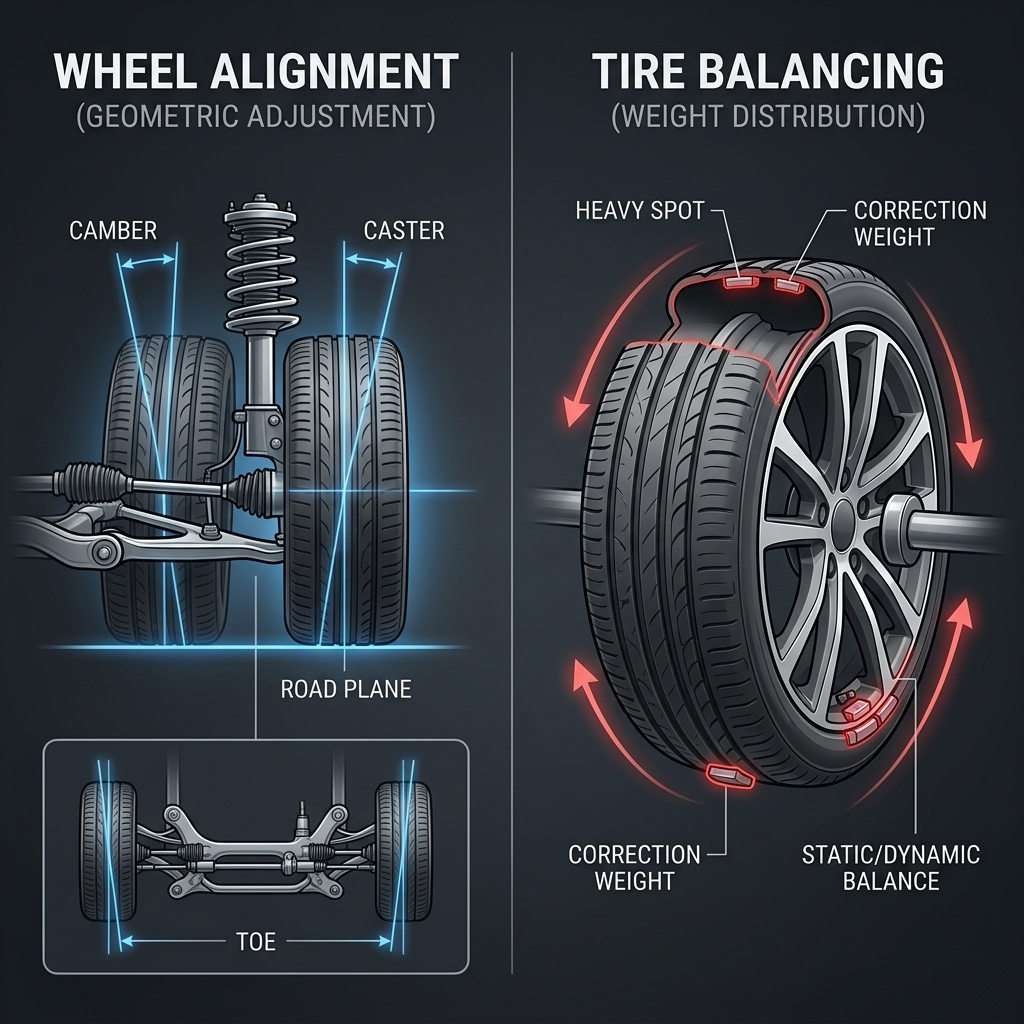
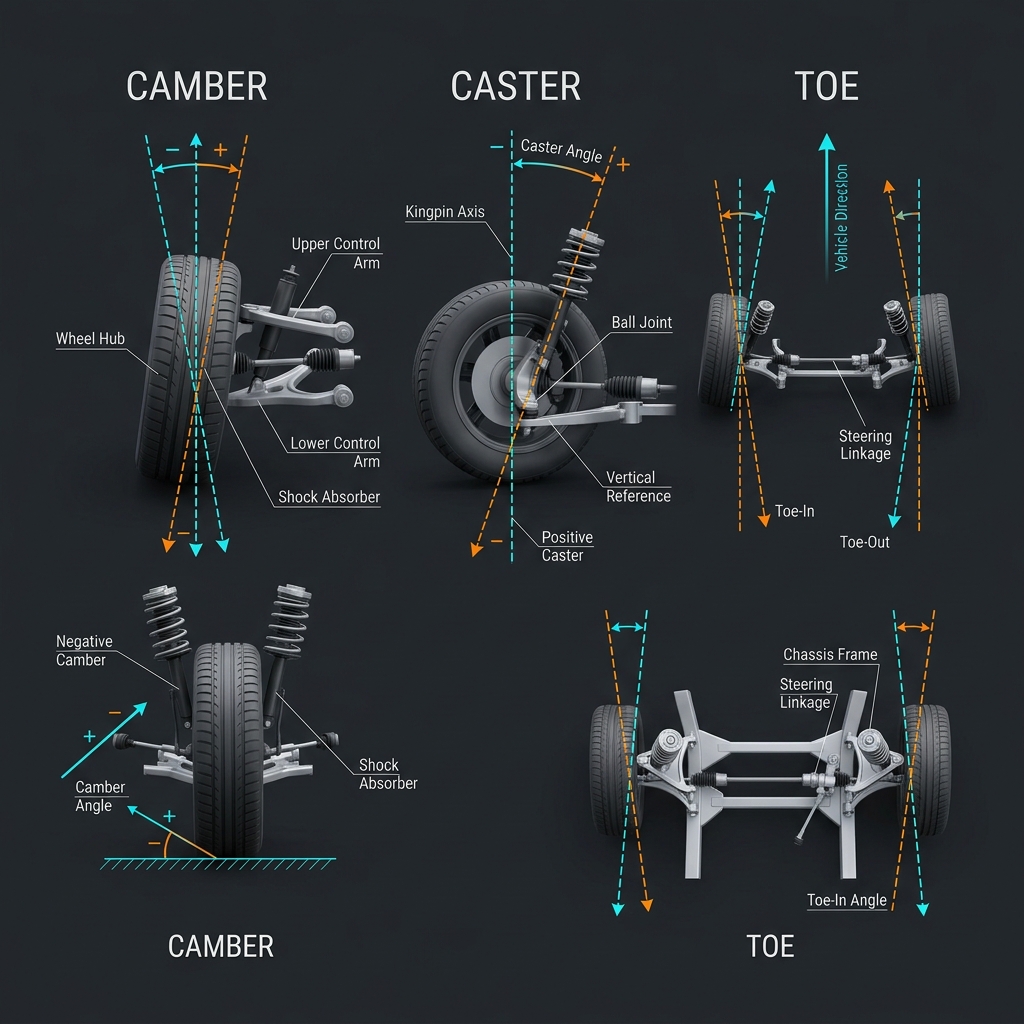
At its core, a wheel alignment adjusts the angles of your vehicle's suspension system. It alters the position of the steering knuckles, tie rods, and control arms so that your wheels point perfectly straight and contact the road surface at the ideal geometric angle. Misalignment causes your vehicle to pull to one side, forcing you to constantly fight the steering wheel while rapidly scrub-wearing the inner or outer edges of your tread blocks.
In contrast, tire balancing corrects weight imbalances within the wheel assembly itself. Every manufactured tire and rim has minor manufacturing variances and weight heavy-spots. When spun at high speeds, even a minuscule fraction-of-an-ounce discrepancy generates powerful centrifugal force that manifests as severe vibration through the steering wheel, seat, or floorboard. By mounting tiny, precision counterweights around the wheel perimeter, tire balancing ensures perfectly uniform dynamic rotation.
Understanding the distinction between these two essential services empowers you to diagnose early road warning signs, save thousands of dollars in premature tire replacement costs, and preserve your vehicle's steering components. If you suspect your vehicle is due for maintenance, you can easily Schedule Your Service Today with our factory-trained technicians at Hawk Chevrolet of Joliet.
At its core, a wheel alignment adjusts the angles of your vehicle's suspension system. It alters the position of the steering knuckles, tie rods, and control arms so that your wheels point perfectly straight and contact the road surface at the ideal geometric angle. Misalignment causes your vehicle to pull to one side, forcing you to constantly fight the steering wheel while rapidly scrub-wearing the inner or outer edges of your tread blocks.
In contrast, tire balancing corrects weight imbalances within the wheel assembly itself. Every manufactured tire and rim has minor manufacturing variances and weight heavy-spots. When spun at high speeds, even a minuscule fraction-of-an-ounce discrepancy generates powerful centrifugal force that manifests as severe vibration through the steering wheel, seat, or floorboard. By mounting tiny, precision counterweights around the wheel perimeter, tire balancing ensures perfectly uniform dynamic rotation.
Understanding the distinction between these two essential services empowers you to diagnose early road warning signs, save thousands of dollars in premature tire replacement costs, and preserve your vehicle's steering components. If you suspect your vehicle is due for maintenance, you can easily Schedule Your Service Today with our factory-trained technicians at Hawk Chevrolet of Joliet.
How Wheel Alignment Adjusts Suspension Angles for a Straight Ride
What Tire Balancing Does to Eliminate Steering Wheel Vibrations
Alignment vs. Balancing Symptoms: Identifying Your Vehicle's Issue
Diagnosing whether your car requires wheel alignment or tire balancing begins with paying attention to how your steering wheel behaves and examining your tire tread wear patterns. Review this quick side-by-side diagnostic checklist to accurately identify your vehicle's specific symptom:
|
Diagnostic Checkpoint |
Wheel Alignment Issues |
Tire Balancing Issues |
|---|---|---|
|
Primary Symptom |
Vehicle pulls or drifts to left or right |
Vibration in steering wheel, seat, or floorboard |
|
Speed Dependence |
Noticeable at all speeds (low & high) |
Appears at highway speeds (50 - 70 MPH) |
|
Steering Wheel Position |
Steering wheel off-center when driving straight |
Steering wheel shimmies or vibrates rapidly |
|
Tread Wear Pattern |
Rapid wear on inner or outer tread shoulder |
Random scuffing, scalloping, or tread cupping |
|
Root Cause |
Bent or misaligned suspension geometry |
Unequal weight distribution around tire/rim |
Should You Bundle Tire Rotation, Alignment, and Balancing Together?
What Should You Do Immediately After Hitting a Major Pothole on the Highway?
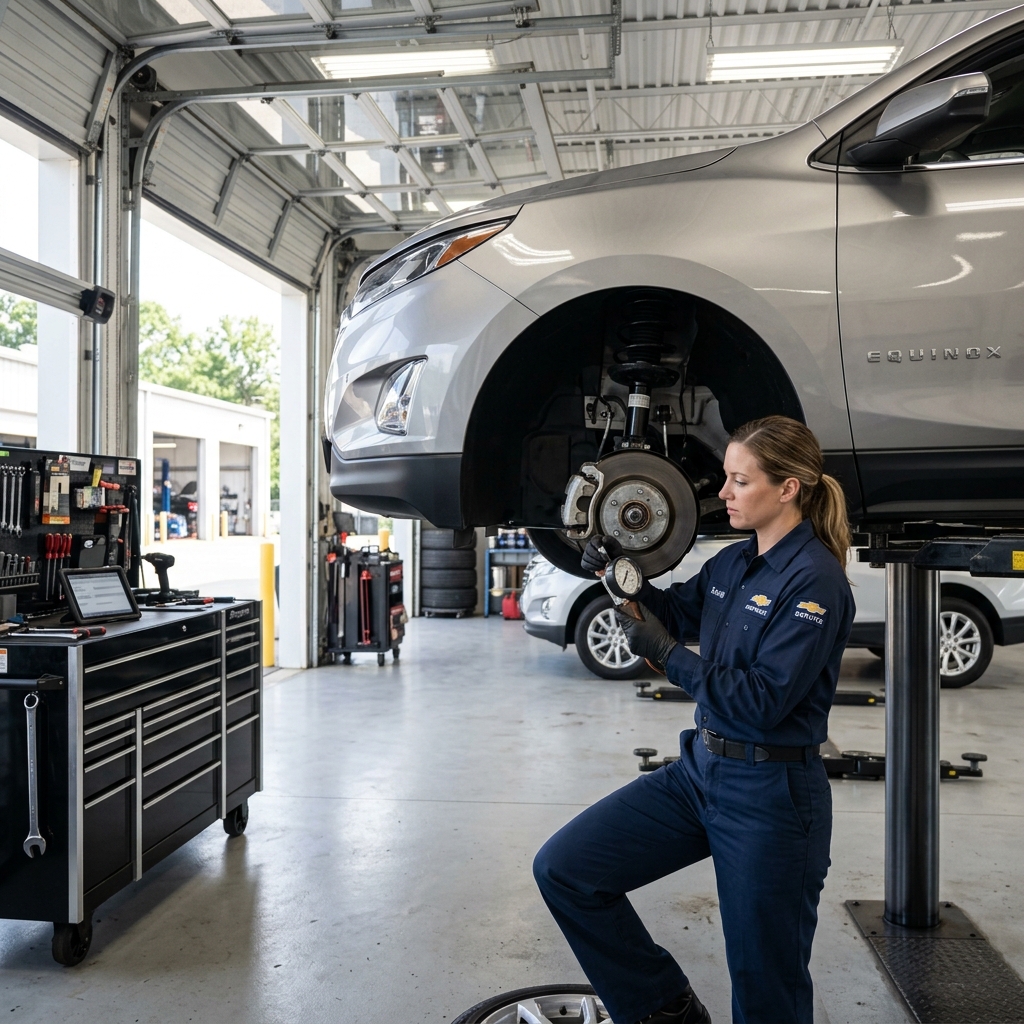
Commuters traveling daily along heavy industrial traffic corridors like I-80, I-55, or Route 59 know that severe highway potholes are practically unavoidable. Striking a deep pothole at 60 MPH exerts tremendous kinetic impact on your vehicle's front end. If you experience a hard road impact, follow these critical safety and visual inspection steps:
Step 1: Safely Assess Steering Drift and Vibrations
Without endangering surrounding traffic, observe how your vehicle behaves on a straight road. Does the steering wheel suddenly pull heavily toward the shoulder? Is there a new, pronounced vibration through the wheel? Immediate pulling indicates severe alignment misalignment or a bent tie rod, while dynamic shaking suggests a thrown wheel balance weight or bent rim.
Step 2: Perform a Visual Rim & Sidewall Inspection
Park in a safe, well-lit location and closely inspect all four wheels. Check the metal rim lip for bends, cracks, or deep gouges. Examine tire sidewalls for dangerous 'bulges' or bubbles. A sidewall bulge means internal fabric plies have ruptured, putting you at extreme risk for a high-speed highway blowout.
Step 3: Monitor Tire Pressure via TPMS
Keep a close eye on your Tire Pressure Monitoring System (TPMS) display. Hard impacts can create microscopic bead leaks or hairline rim cracks that cause slow pressure loss over several hours.
Step 4: Seek Professional Suspension & Alignment Inspection
Even if there is no visible external damage, suspension geometry can easily be knocked out of spec. Promptly visiting a factory-trained service center prevents expensive secondary damage to control arms, struts, and tire rubber.
Step 1: Safely Assess Steering Drift and Vibrations
Without endangering surrounding traffic, observe how your vehicle behaves on a straight road. Does the steering wheel suddenly pull heavily toward the shoulder? Is there a new, pronounced vibration through the wheel? Immediate pulling indicates severe alignment misalignment or a bent tie rod, while dynamic shaking suggests a thrown wheel balance weight or bent rim.
Step 2: Perform a Visual Rim & Sidewall Inspection
Park in a safe, well-lit location and closely inspect all four wheels. Check the metal rim lip for bends, cracks, or deep gouges. Examine tire sidewalls for dangerous 'bulges' or bubbles. A sidewall bulge means internal fabric plies have ruptured, putting you at extreme risk for a high-speed highway blowout.
Step 3: Monitor Tire Pressure via TPMS
Keep a close eye on your Tire Pressure Monitoring System (TPMS) display. Hard impacts can create microscopic bead leaks or hairline rim cracks that cause slow pressure loss over several hours.
Step 4: Seek Professional Suspension & Alignment Inspection
Even if there is no visible external damage, suspension geometry can easily be knocked out of spec. Promptly visiting a factory-trained service center prevents expensive secondary damage to control arms, struts, and tire rubber.
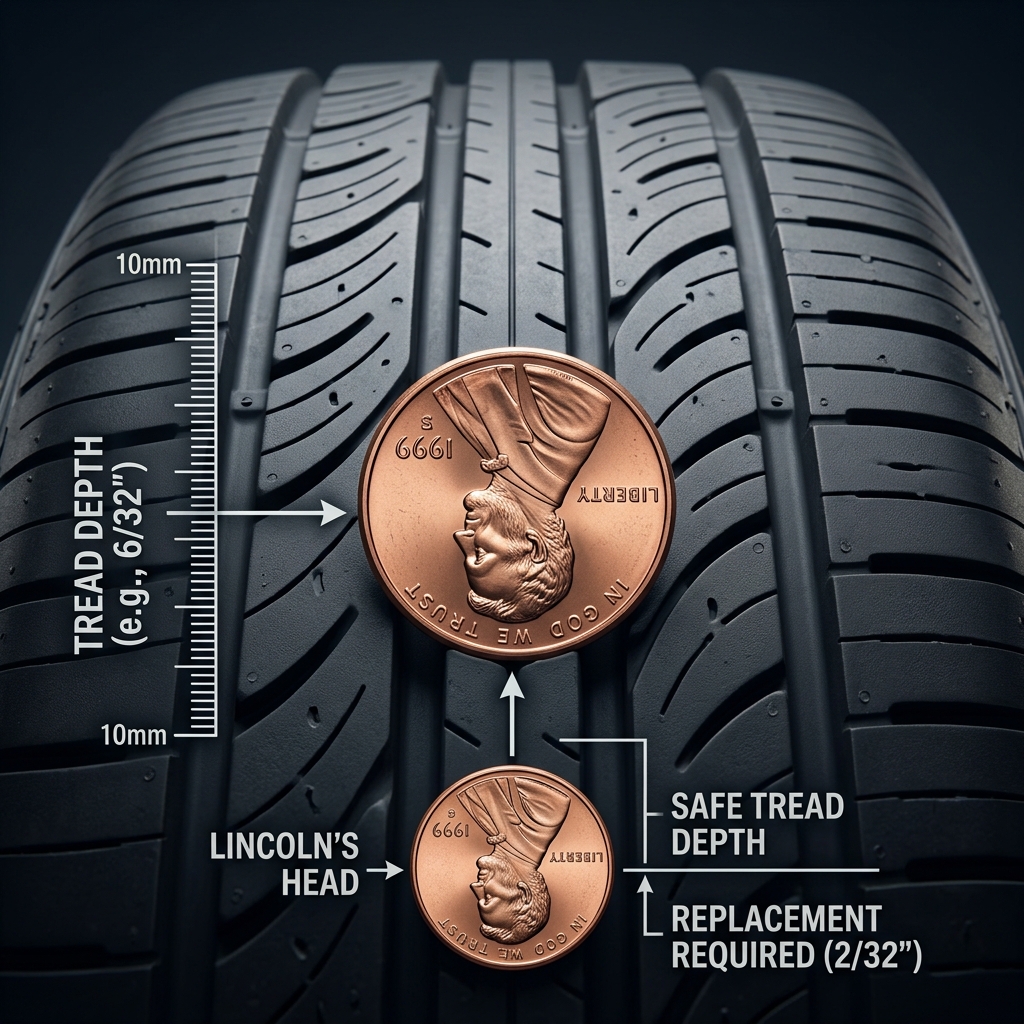
How Do You Check Tire Tread Depth Using a Penny in 30 Seconds?
Fall Commute Tire & Alignment Guide for I-80 and I-55 Drivers
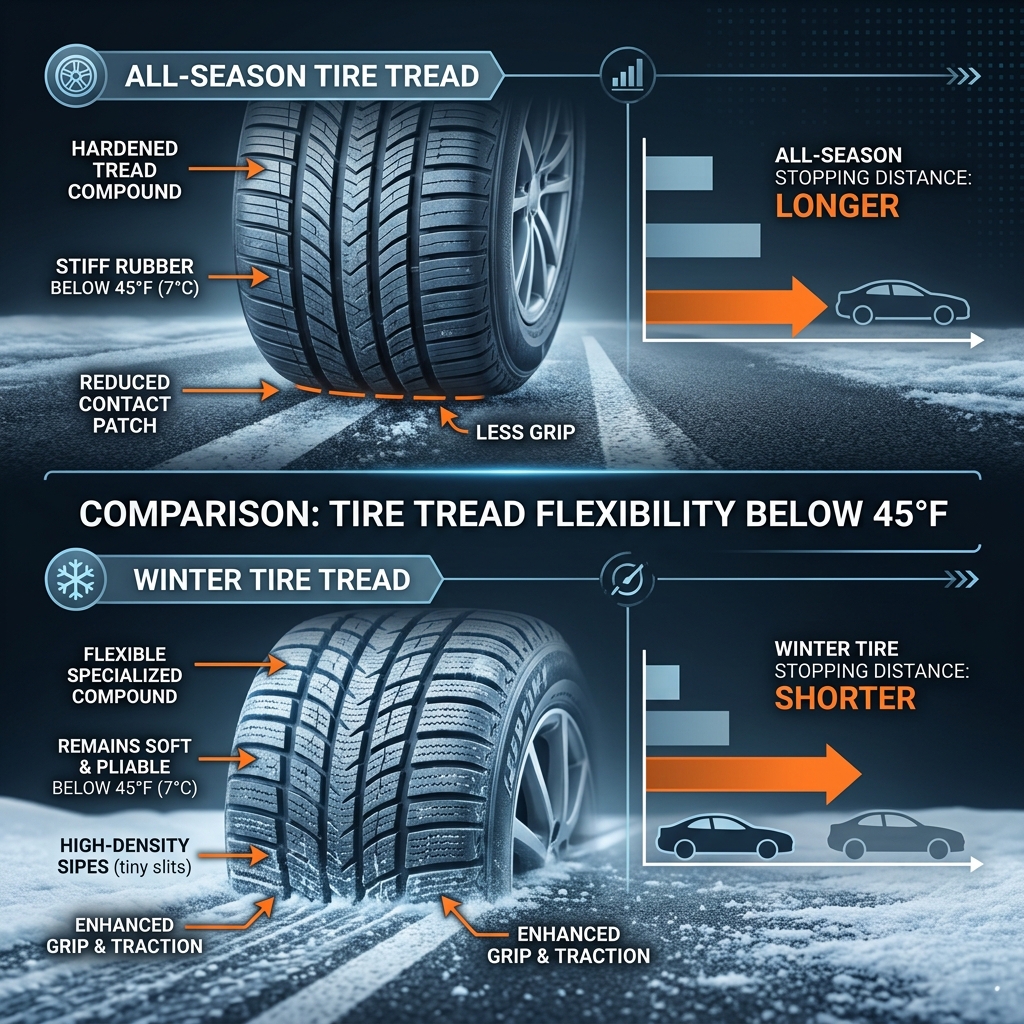
At What Temperature Do All-Season Tires Lose Traction Compared to Winter Tires?
How Long Does a Standard 4-Wheel Alignment Service Take at a Shop?
Preserving Your Suspension and Tires Across Joliet, Plainfield, and Naperville Roads
Schedule Your Wheel Alignment and Tire Balancing at Hawk Chevrolet of Joliet
Don't let minor alignment pulls or irritating wheel vibrations compromise your safety or prematurely destroy your expensive tires. Trust the factory-trained, ASE-certified technicians at Hawk Chevrolet of Joliet to precision-calibrate your suspension and dynamically balance your tires using state-of-the-art computer diagnostic equipment.
Conveniently located at 2001 W Jefferson St, Joliet, IL 60435, we serve drivers throughout Joliet, Plainfield, Naperville, and surrounding Will County communities. You can easily Get Directions to Hawk Chevrolet of Joliet or Call us at (815) 472-8001 to speak with a service advisor. Explore our inventory of new vehicles by checking out our Browse New Inventory or explore budget-friendly options in our Browse Used Inventory. Need financing? Conveniently Get Pre-Approved for Financing today!
Conveniently located at 2001 W Jefferson St, Joliet, IL 60435, we serve drivers throughout Joliet, Plainfield, Naperville, and surrounding Will County communities. You can easily Get Directions to Hawk Chevrolet of Joliet or Call us at (815) 472-8001 to speak with a service advisor. Explore our inventory of new vehicles by checking out our Browse New Inventory or explore budget-friendly options in our Browse Used Inventory. Need financing? Conveniently Get Pre-Approved for Financing today!