Essential Winter Car Kit Checklist: What Every I-80 & I-55 Commuter Needs Right Now
Navigating the daily commute along Interstate 80 and Interstate 55 through Joliet, Plainfield, and Naperville during northern Illinois winters presents serious challenges. Sudden lake-effect squalls, plunging sub-zero temperatures, and unpredictable traffic standstills can turn a standard 30-minute drive into a multi-hour ordeal. Preparing your vehicle with a dedicated winter commute emergency kit and performing critical autumn vehicle readiness checks is essential for every Chicagoland driver.
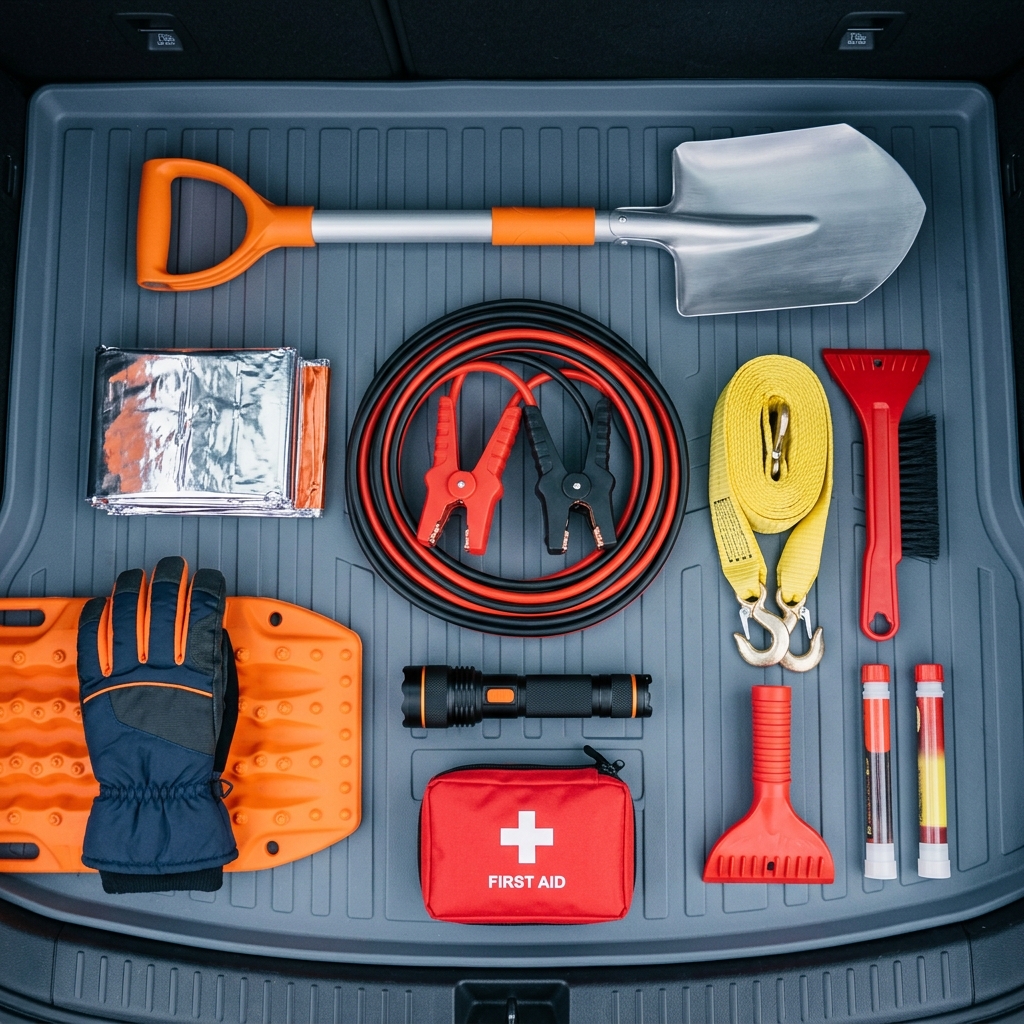
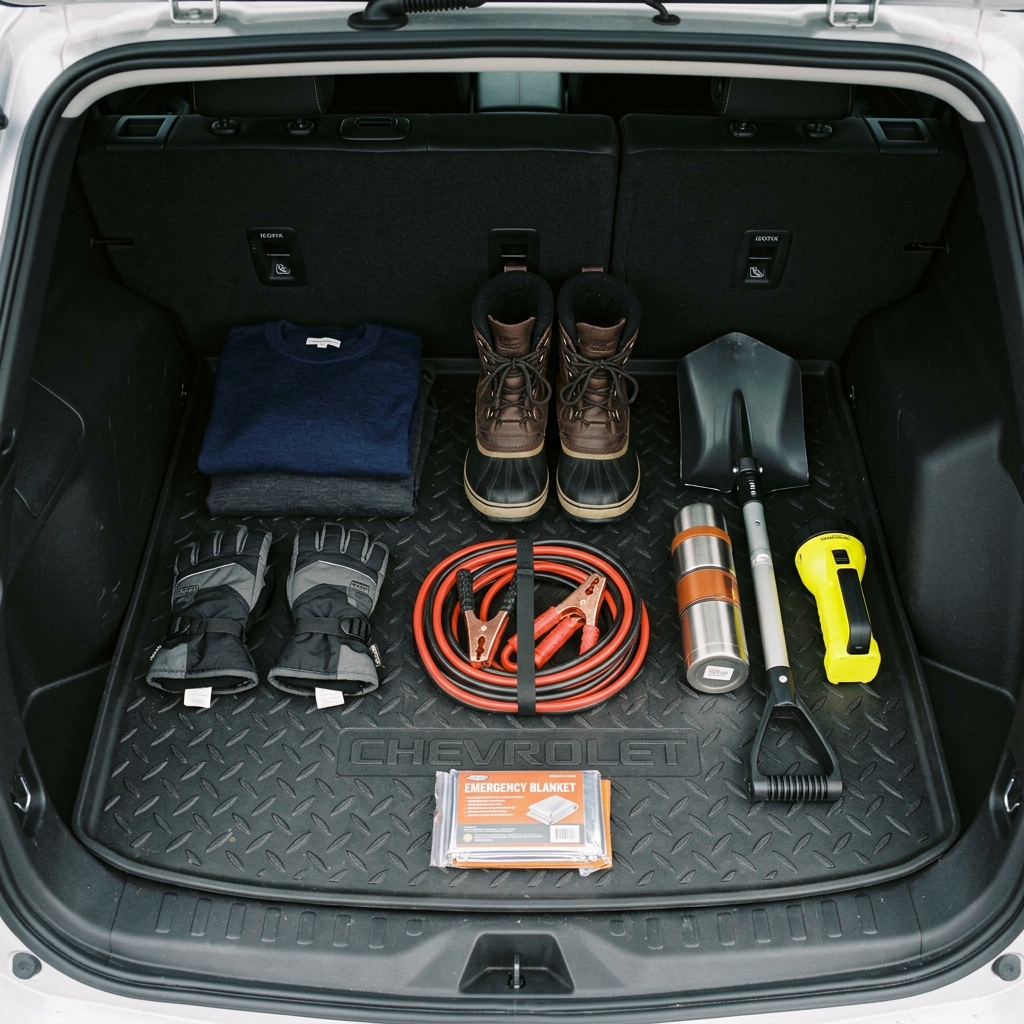
Before winter weather hits, every vehicle traversing the I-80 and I-55 corridor should be stocked with five core survival and recovery items: heavy-duty jumper cables (or a portable lithium-ion jump starter pack), high-traction aids such as sand or traction mats, thermal insulation blankets, a sturdy folding snow shovel, and an ergonomic ice scraper with a brass or heavy polycarbonate blade. Combining these emergency supplies with seasonal pre-winter vehicle checks at Hawk Chevrolet of Joliet ensures you remain safe, warm, and mobile regardless of weather conditions. For assistance or professional inspection, Call us at (815) 472-8001 or visit our service center.
Emergency Gear Checklist: Essential Items to Pack for Winter Driving in Joliet and Naperville
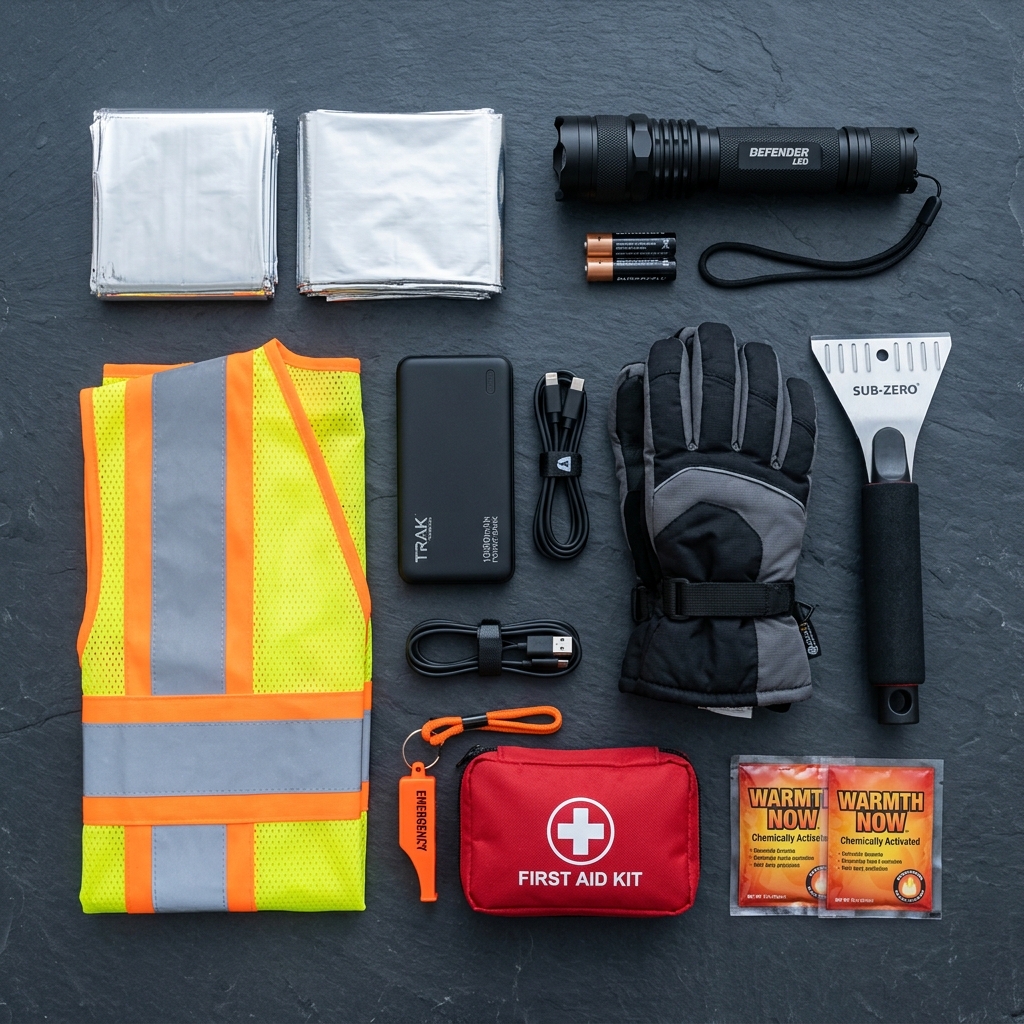
When heavy snowfall or multi-car accidents halt traffic on I-55 near Naperville or I-80 near Joliet, drivers can remain stranded in freezing conditions for hours. Personal survival items keep you warm and alert while waiting for highway patrol or assistance. Key Personal Survival Items: • High-Visibility Safety Vest & Warning Beacons: Crucial if you must exit your vehicle on dark highway shoulders. • Mylar Thermal Blankets & Heavy Wool Throws: Retains body heat if engine idling becomes unsafe due to fuel constraints or exhaust blockages. • Chemical Hand & Foot Warmers: Provides immediate targeted warmth for up to 10 hours. • High-Calorie Non-Perishable Food: Protein bars, mixed nuts, and dried fruit provide long-lasting energy without freezing solid. • Heavy-Duty Rechargeable Flashlight: Essential for inspecting tires or signaling for help in pitch-black conditions.
Maintaining electronic communication is equally vital. Low temperatures drain smartphone batteries rapidly. Always pack a high-capacity portable power bank stored in an insulated pouch alongside extra charging cables so you can call for roadside help or notify family during unexpected delays.
Vehicle Recovery and Safety Tools for Snowbound Commuters
Traction & Digging Aids
Collapsible aluminum snow shovels take up minimal space in your trunk but are tough enough to slice through hard-packed plow windrows. Combine your shovel with heavy-duty rubber traction mats or non-clumping clay kitty litter/sand to gain grip when drive tires slip on icy shoulders.
Towing & Jump Starters
A 20,000-lb rated tow strap with forged steel hooks allows a friendly truck owner to assist in pulling your car from minor drift banks. Furthermore, self-contained lithium-ion jump starter power packs eliminate the need to wait for another vehicle to jump-start a dead battery in sub-zero weather.
Visibility & Warning
When snow drifts reduce highway visibility below 50 feet, reflective hazard triangles and magnetic LED strobe flares alert snowplows and oncoming semi-trucks to your presence, preventing rear-end collisions while stalled on interstate shoulders.
Fall Commute Readiness: Essential Service Checks for I-80 and I-55 Drivers
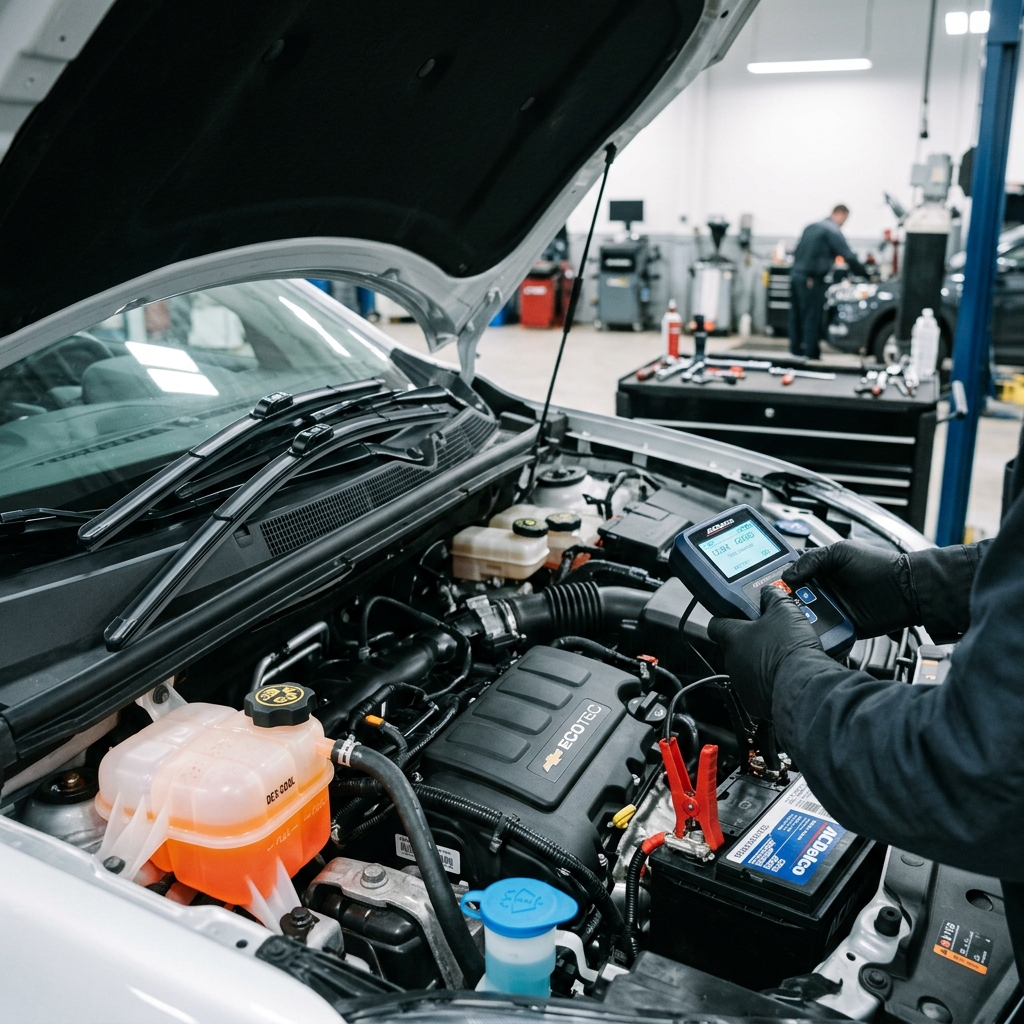
Early autumn is the ideal time to perform preemptive service checks before cold temperatures hit Will County. Commuters driving between Joliet, Plainfield, and Naperville face heavy truck traffic that kicks up road salt and slush, rapidly deteriorating windshield visibility and mechanical systems. Critical Early Autumn Service Checks: • Wiper Blades: Replace worn rubber blades with beam-style winter wiper blades that prevent ice buildup inside the frame. • De-Icing Washer Fluid: Drain summer washer fluid and fill with sub-zero rated windshield washer fluid (-20°F or lower rating). • HVAC Defroster Calibration: Ensure cabin defroster airflow and air conditioning compressor operate correctly to dehumidify frost from internal glass. • Coolant/Antifreeze Hydrometer Test: Verify your engine coolant freeze protection rating is certified down to -30°F.
Don't wait until the first snowfall causes long service backlogs. You can easily Schedule Your Service Today with certified Chevrolet technicians in Joliet.
What Are the Essential Tire Tread Depth and Pressure Specifications for Autumn Highway Driving on I-80 and I-55?
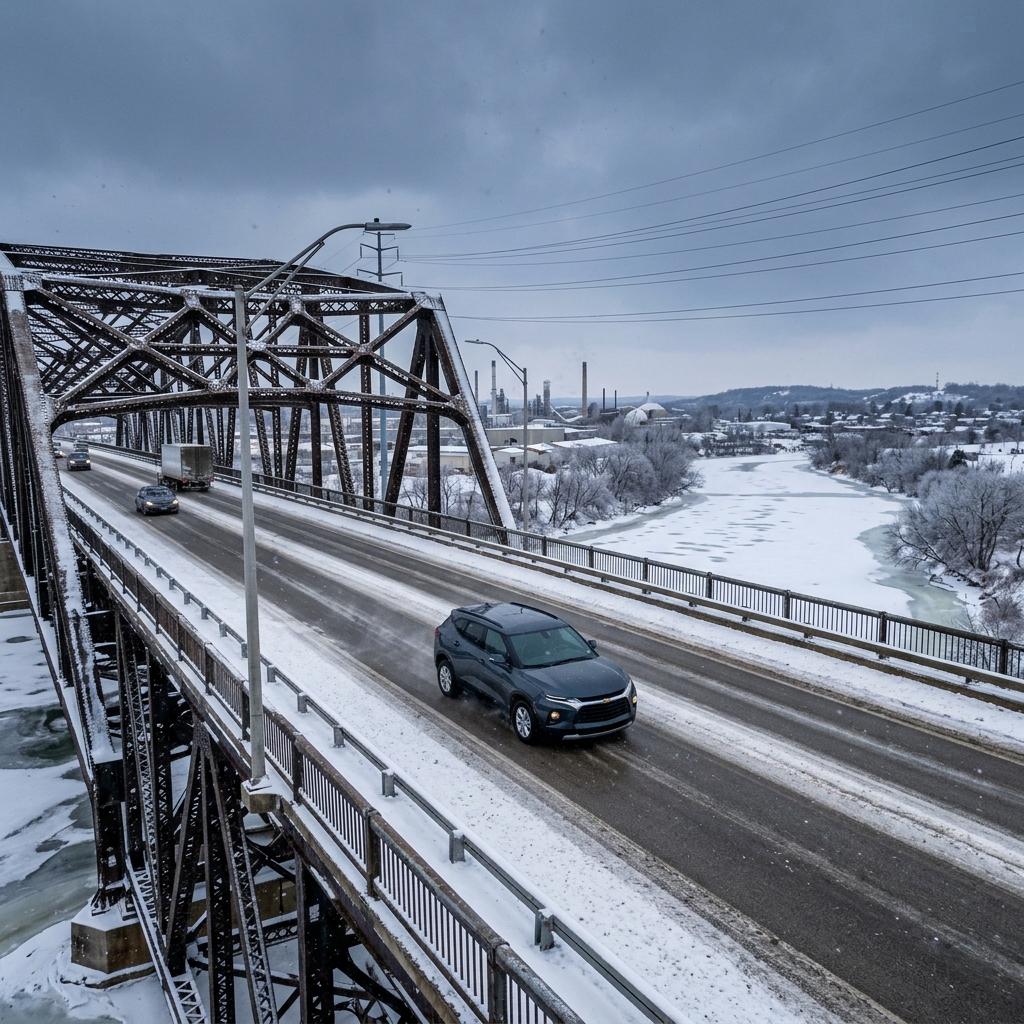
Tires are your vehicle's sole contact point with frozen asphalt. For autumn and winter commuting across the Des Plaines River bridges and elevated overpasses along I-80, proper tire pressure and adequate tread depth are non-negotiable. Cold Weather Pressure Drop Rule: Tire pressure drops approximately 1 PSI for every 10°F drop in ambient temperature. A sudden autumn cold snap can drop tire pressure by 3-5 PSI overnight, causing sluggish handling, increased rolling resistance, and uneven tread wear. Tread Depth Thresholds: While legal minimum tread depth is 2/32 inches, winter driving demands significantly deeper grooves to channel slush and prevent hydroplaning or snow packing. A minimum of 6/32 inches is recommended for driving on snow-covered highways.
|
Tread Depth
|
Condition Status
|
Winter Commute Safety Level
|
|
10/32" - 11/32"
|
Brand New Tire
|
Optimal Traction
|
|
6/32" - 9/32"
|
Good Tread
|
Safe for Snow & Slush
|
|
4/32" - 5/32"
|
Marginal / Worn
|
Increased Stopping Distance
|
|
2/32" or less
|
Unsafe / Legal Limit
|
Severe Hazard - Replace Immediately
|
If your tires measure below 5/32 inches, consider upgrading to dedicated winter tires or 3-Peak Mountain Snowflake (3PMSF) rated all-weather tires before freezing rains arrive.
When Should I Replace My Battery Instead of Just Testing It?
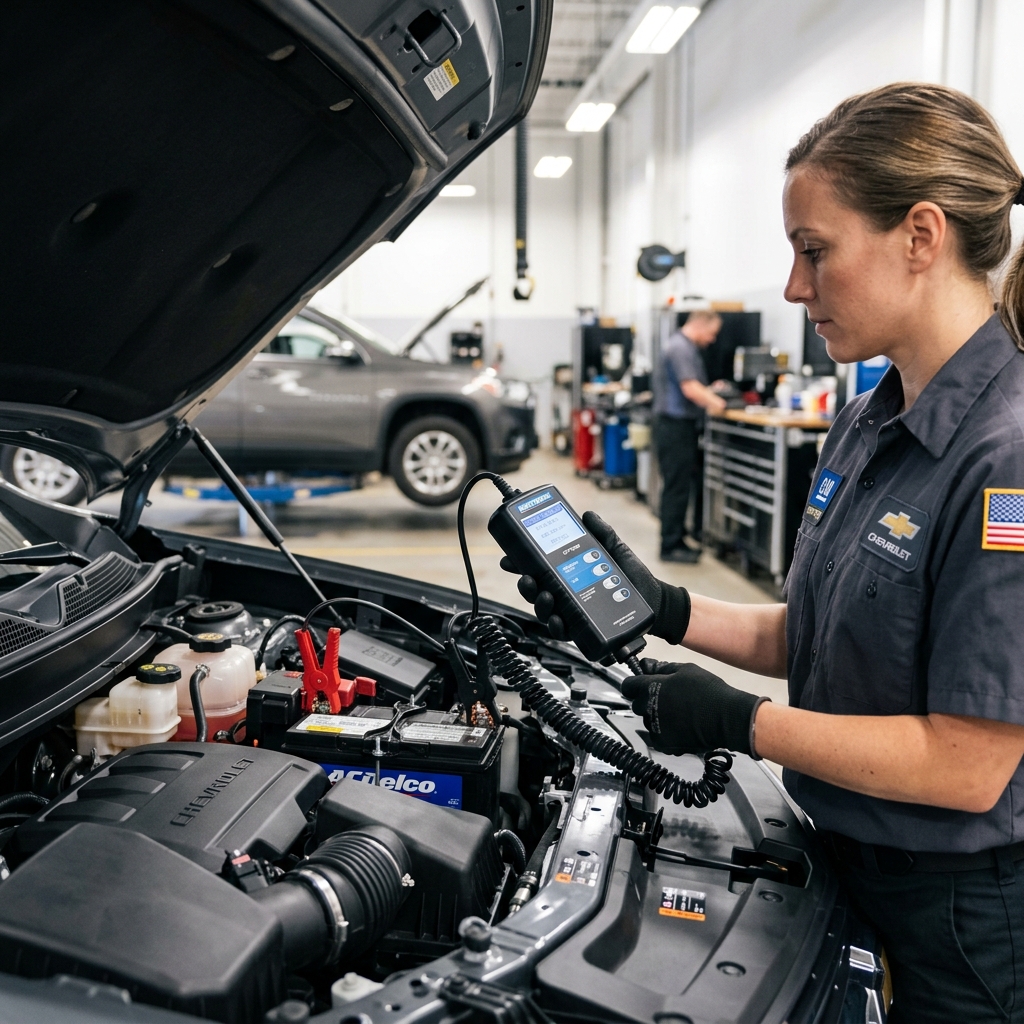
Automotive batteries lose up to 50% of their starting capacity when temperatures plunge to 0°F, while simultaneously the engine requires nearly double the electrical current to turn over cold oil. A weak battery that starts your car effortlessly in July will frequently fail on a freezing December morning in Joliet. Criteria for Replacing vs. Recharging: • Battery Age Exceeds 3 to 5 Years: Lead-acid batteries operating in Midwest seasonal extremes suffer chemical degradation over time. Any battery over 4 years old should be proactively replaced. • Cold Cranking Amps (CCA) Below 80% Rating: Conductive load testing reveals internal plate sulfation even if resting voltage reads 12.6V. • Slow Engine Crank or Dimming Headlights: Audible sluggishness when starting or flickering dashboard lights indicates impending cell failure. • Corrosion or Swollen Case: Visible white powder around terminals or bulging side walls indicates thermal failure.
Prevent getting stranded in a cold parking lot after work. Have your battery load-tested free of charge during your next oil change at Hawk Chevrolet of Joliet.
Which Winter Prep Tasks Can I Do Myself and Which Should a Mechanic Handle?
Easy DIY Tasks
• Topping off winter washer fluid • Replacing wiper blades • Checking tire pressure with a digital gauge • Packing the winter emergency trunk kit • Inspecting tire tread using the quarter test
Semi-DIY Checks
• Replacing engine & cabin air filters • Cleaning terminal corrosion with baking soda • Checking exterior bulb functionality • Inspecting rubber door seals for cracks
Professional Service Tasks
• Full cooling system flush and pressure test • Digital battery cold cranking amp load test • Brake pad, rotor, and hydraulic line measurement • Computerized 4-wheel alignment verification
Personal Safety and Comfort Essentials for Highway Delays
When heavy snow stops traffic along I-80 or I-55, staying comfortable and safe inside your vehicle relies heavily on proper preparation. Layering breathable garments (moisture-wicking base layers, fleece mid-layers, and waterproof outer shells) ensures you retain core body heat. Key Comfort & Safety Items to Pack: • Extra Waterproof Boots & Heavy Wool Socks: Wet feet accelerate hypothermia risk if you must push your vehicle or inspect tires. • Insulated Work Gloves & Beanie: Protect hands from frostbite when scraping ice or changing flat tires. • Compact First-Aid Kit: Packed with bandages, antiseptic wipes, burn ointment, and pain relievers. • Essential Daily Medications: Pack a 3-day supply of prescription medications in a waterproof container in case of overnight highway closures. • Spill-Proof Insulated Water Storage: Store water in insulated thermoses so drinking water doesn't freeze solid in your trunk overnight.
Upgrading to a vehicle equipped with advanced All-Wheel Drive (AWD) or 4x4 capability provides enhanced traction during winter storms. You can Browse New Inventory at Hawk Chevrolet of Joliet to explore winter-ready SUVs and trucks.
What Are the Most Important Pre-Winter Vehicle Checks for Highway Travel?
High-speed highway travel during northern Illinois winters subjects your vehicle to severe physical stress. Road salt speeds up underbody corrosion, sub-zero cold hardens rubber belts, and snow packs into wheel wells. Performing a thorough multi-point inspection before winter weather arrives prevents highway breakdowns.
|
Vehicle Component
|
Inspection Focus
|
Hazard / Critical Threshold
|
Recommended Action
|
|
Exhaust System
|
Leaks, rust holes, muffler mounts
|
Carbon monoxide risk when idling in snowbank
|
Inspect underbody exhaust piping for cracks
|
|
Brake System
|
Pad thickness, fluid moisture content
|
Pads< 3mm increase stopping distance on ice
|
Replace pads & flush moisture-contaminated fluid
|
|
Exterior Lights
|
Headlamp clarity, brake light bulbs
|
Foggy lenses reduce visibility in blowing snow
|
Restore lenses & swap dim halogen/LED bulbs
|
|
Serpentine Belt
|
Cracking, fraying, tensioner wear
|
Cold temperature snapping cuts alternator/pump
|
Replace belt if rib cracking exceeds 3 per inch
|
|
Suspension & Alignment
|
Tie rod ends, strut mounts, toe alignment
|
Misalignment causes severe pulling on ice
|
Perform 4-wheel computerized alignment
|
Winterizing Your Vehicle for the Joliet, Plainfield, and Naperville Daily Corridor
The regional geography of northern Will County and southern DuPage County creates specific driving hazards during winter months. Bridges crossing the Des Plaines River and DuPage River along Route 59, I-80, and I-55 freeze long before standard roadway surfaces, creating unexpected black ice patches. Local Regional Driving Hazards: • Black Ice on River Bridges: Elevated structures lose ambient ground heat rapidly, catching unobservant highway drivers off guard. • Salt Slush Spray: Continuous heavy semi-truck traffic along I-80 sprays corrosive brine solution onto windshields and underbodies. • Lake-Effect Snow Squalls: Heavy snow bands coming off Lake Michigan can drop visibility to near zero within seconds near Naperville and Joliet. Protecting your vehicle with an underbody protective rinse and applying ceramic glass treatment helps maintain visibility and prevents salt rust. If you are considering upgrading your daily commuter, you can Value Your Trade online before browsing our pre-owned AWD selection.
Looking for a reliable pre-owned truck or SUV? Explore our inventory when you Browse Used Inventory today.
Genuine Chevrolet Winter Accessories: All-Weather Mats, Cargo Trays, and Remote Starters
All-Weather Floor Liners
Factory Chevrolet Premium All-Weather Floor Liners are laser-measured to cover footwells completely. Deep channels trap melting snow, mud, and road salt, keeping your vehicle's carpet pristine and preventing mildew odors.
Cargo Management Trays
Molded rubber trunk liners protect rear cargo areas from wet snow gear and dirty recovery tools. Integrated cargo nets keep emergency kits, jumper cables, and water thermoses securely anchored during sudden stops.
Factory Remote Start Systems
OEM integrated remote starters allow you to pre-warm your engine, activate heated seats, and initiate window defrosters from the warmth of your home or office using your key fob or the myChevrolet mobile app.
Schedule Your Winter Commute Inspection at Hawk Chevrolet of Joliet
Don't let freezing weather and sudden blizzard conditions disrupt your daily commute along I-80 and I-55. The factory-trained service team at Hawk Chevrolet of Joliet is ready to perform comprehensive multi-point inspections, test battery health, evaluate tire tread depth, and install genuine winter accessories.