


Why Preconditioning Your EV While Plugged In Is Essential for Winter Range
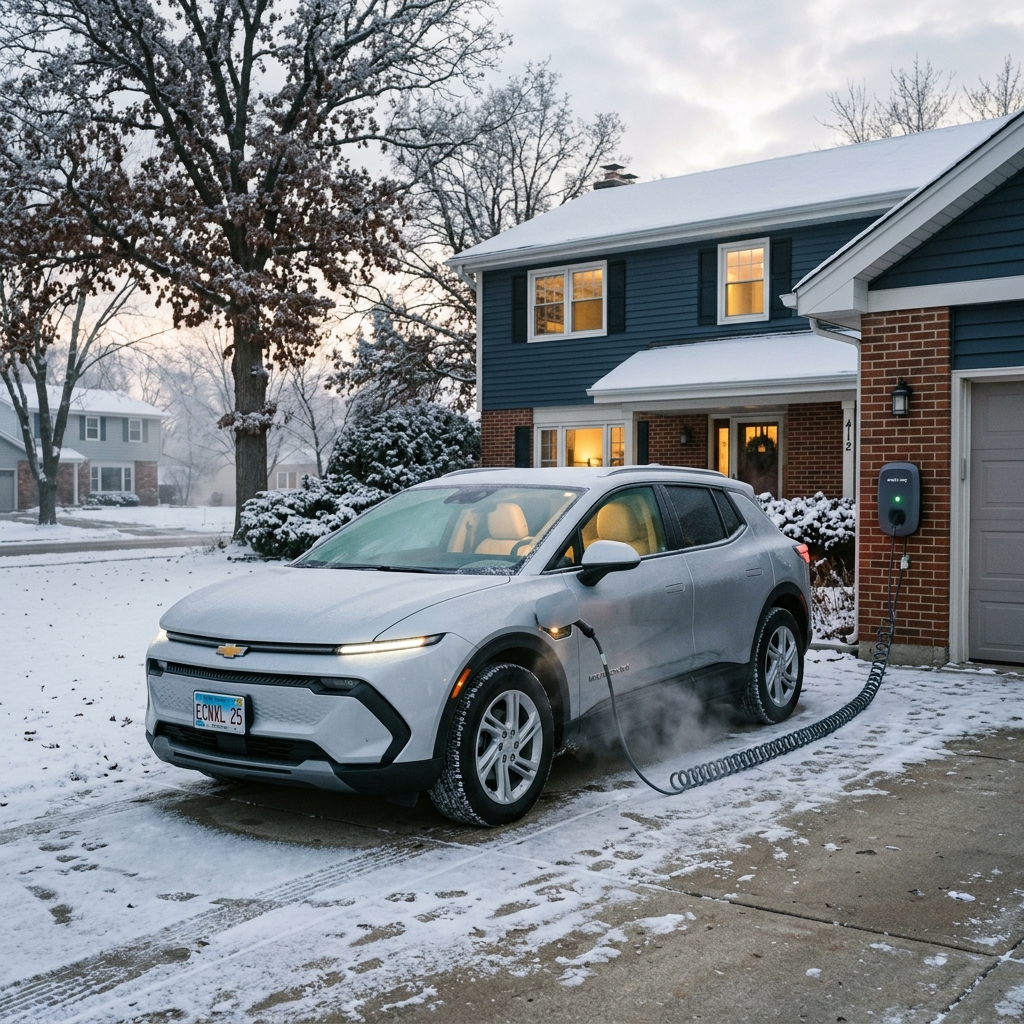
When sub-zero temperatures sweep across Will County and the greater Joliet region during midwest winters, electric vehicle owners face a unique thermal dynamic. Cold atmospheric air drastically alters the electrochemical activity inside high-voltage lithium-ion battery packs while simultaneously placing heavy thermal demands on cabin heating. If you enter your vehicle on a freezing January morning and start driving cold, your EV must instantly expend substantial energy from its internal battery reserves to warm both the heavy battery chemistry and the cabin air up to comfortable operating temperatures. This sudden high-power thermal drawdown directly steals valuable kilowatt-hours (kWh) that would otherwise propel your vehicle down Interstates 55 and 80.
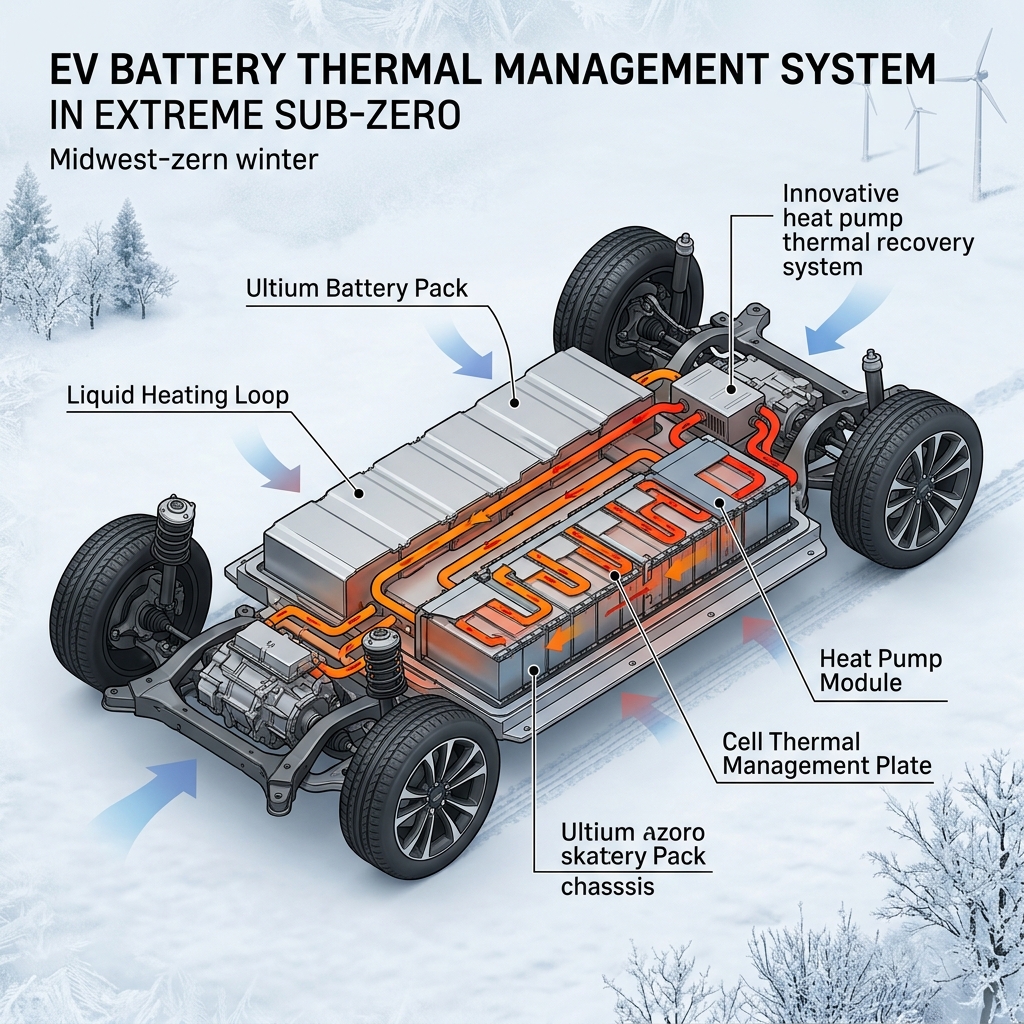
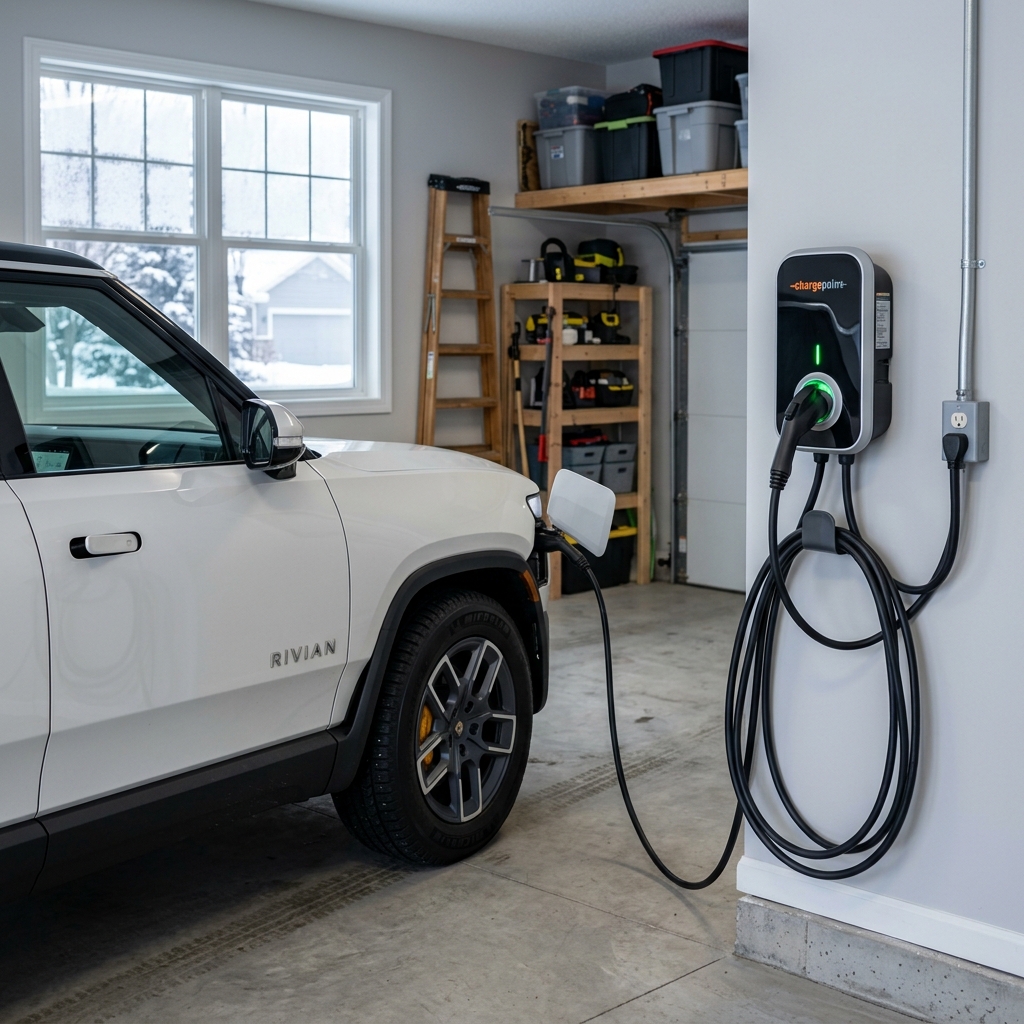
Preconditioning your EV while plugged in—often referred to as shore-power pre-warming—completely eliminates this range penalty. By activating the vehicle's thermal management system while still tethered to a Level 2 home charging station or wall charger, your vehicle draws electrical power directly from the electrical grid rather than pulling energy from the onboard battery pack. Current flows through your charger to run electric resistance heaters or energy-efficient heat pumps, bringing the high-voltage battery pack into its ideal operational window of roughly 60°F to 75°F (15°C to 24°C) and warming the cabin interior to 70°F before you ever step foot outside your front door.
The result is a fully pre-heated vehicle that pulls away from your driveway with 100% of its stored usable battery energy intact. Furthermore, starting your commute with a warm battery ensures immediate regenerative braking capability, full power availability under acceleration, and reduced structural stress on lithium-ion cell anodes. At Hawk Chevrolet of Joliet, our team of dedicated EV specialists continually helps drivers across Naperville, Plainfield, and Joliet optimize their winter driving experience. To explore the latest lineup of winter-ready electric crossovers and SUVs, feel free to Browse New Inventory today.
How Grid-Power Preconditioning Saves EV Battery Range During Midwest Winters
How Chevy's Ultium Battery Thermal Management System Works in Sub-Zero Weather
The Physics of Cold Weather Range Loss in Lithium-Ion EV Batteries
How to Schedule EV Preconditioning Using the myChevrolet Mobile App
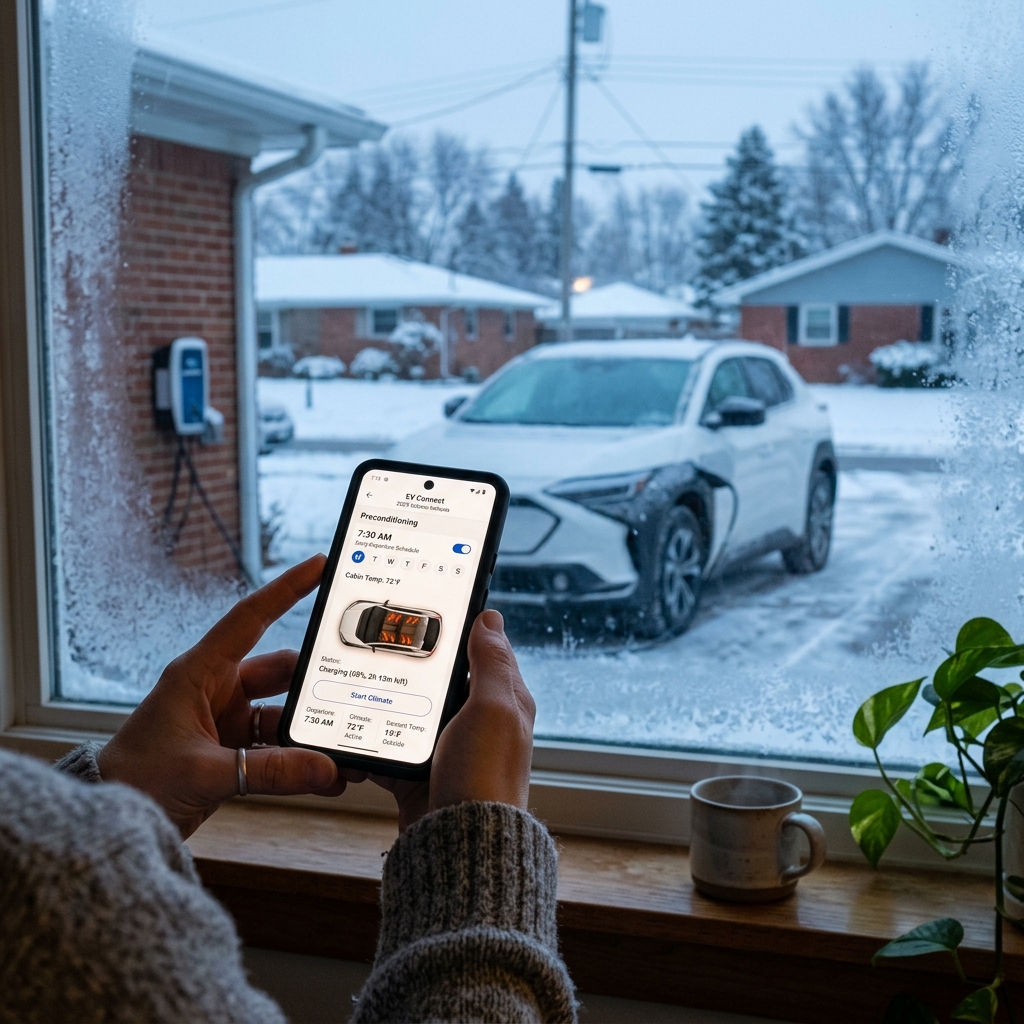
General Motors makes preconditioning effortless through automated scheduling integrated directly into the 17.7-inch infotainment touchscreen and the myChevrolet mobile application. Rather than manually remembering to trigger remote start every cold morning, drivers can program permanent weekly schedules tailored to their work commute. Follow these simple steps to set up automated shore-power preconditioning:
1. Connect to Level 2 Power: Ensure your Chevy EV is plugged into your 240V home EVSE charging station before setting your schedule so the vehicle pulls energy from the grid rather than the battery pack.
2. Access Departure Schedules: Open the myChevrolet App on iOS or Android, select 'Vehicle Status', navigate to 'Charging & Departure Schedules', or access the 'Charge' app icon directly on your vehicle's central touchscreen dashboard.
3. Program Daily Departure Times: Select your intended departure times for weekdays (e.g., 7:30 AM Monday through Friday). The vehicle software automatically calculates ambient outdoor temperatures and starts thermal warming 30 to 45 minutes before departure.
4. Custom Climate & Heated Seating Preferences: Set desired cabin temperatures (e.g., 72°F) and toggle auto-seat heating and heated steering wheel integration to ensure complete interior comfort before disconnect.
2. Access Departure Schedules: Open the myChevrolet App on iOS or Android, select 'Vehicle Status', navigate to 'Charging & Departure Schedules', or access the 'Charge' app icon directly on your vehicle's central touchscreen dashboard.
3. Program Daily Departure Times: Select your intended departure times for weekdays (e.g., 7:30 AM Monday through Friday). The vehicle software automatically calculates ambient outdoor temperatures and starts thermal warming 30 to 45 minutes before departure.
4. Custom Climate & Heated Seating Preferences: Set desired cabin temperatures (e.g., 72°F) and toggle auto-seat heating and heated steering wheel integration to ensure complete interior comfort before disconnect.
If your daily schedule fluctuates, you can also press the 'Remote Start' button inside the myChevrolet app 20 minutes before heading out. As long as your vehicle remains plugged into Level 2 power, shore-power preconditioning activates immediately. If you ever need assistance pairing your app or configuring charging schedules, our tech team at Hawk Chevrolet of Joliet is always ready to assist. Call us at (815) 472-8001 to speak directly with an EV specialist.
Comparing Winter Driving Range: 2026 Chevrolet Blazer EV and Equinox EV
Understanding real-world winter performance is crucial when choosing the ideal electric vehicle for Will County driving conditions. Below is a comparative breakdown of estimated battery performance, drivetrain configurations, and winter range management between the 2026 Chevrolet Blazer EV and 2026 Chevrolet Equinox EV under winter conditions.
|
Vehicle Model & Drivetrain |
EPA Estimated Max Range (Warm Weather) |
Est. Winter Range (No Preconditioning) |
Est. Winter Range (With Level 2 Preconditioning) |
Standard Heat Pump |
|---|---|---|---|---|
|
2026 Chevrolet Blazer EV AWD |
283 Miles |
200 - 215 Miles |
245 - 260 Miles |
Yes (Ultium Architecture) |
|
2026 Chevrolet Blazer EV RWD |
324 Miles |
230 - 245 Miles |
280 - 295 Miles |
Yes (Ultium Architecture) |
|
2026 Chevrolet Equinox EV FWD |
319 Miles |
225 - 240 Miles |
275 - 290 Miles |
Yes (Ultium Architecture) |
|
2026 Chevrolet Equinox EV AWD |
285 Miles |
200 - 215 Miles |
245 - 260 Miles |
Yes (Ultium Architecture) |
As demonstrated in the table above, utilizing plugged-in Level 2 preconditioning restores upwards of 40 to 50 miles of cold-weather driving range on both the Blazer EV and Equinox EV. For drivers commuting daily along Route 59 or I-55, shore-power preconditioning effectively converts severe weather range loss into a manageable minor variance.
Which 2026 Chevrolet EV Is the Best Fit for Winter Commuting in Joliet, IL?
Preconditioning for Fast Charging: Preparing Your Battery for DC Fast Chargers
Setting Up Level 2 Home Charging Infrastructure for Will County Drivers
Essential Winter EV Maintenance: Tires, Thermal Fluids, and Wiper Care
What Should I Ask a Joliet Chevrolet Dealer Before Buying an EV?
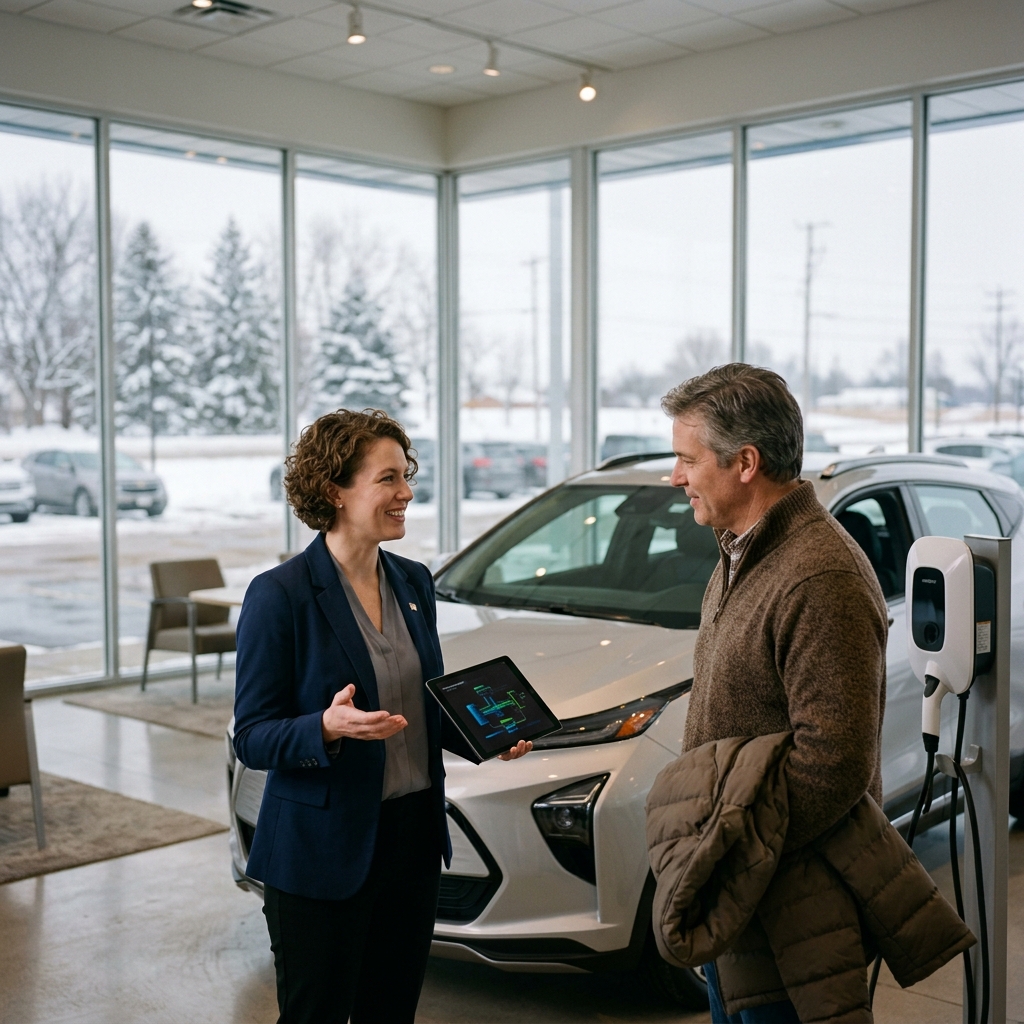
Transitioning from a traditional gasoline vehicle to a zero-emission Chevrolet electric vehicle is an exciting step. When visiting Hawk Chevrolet of Joliet, asking targeted questions will help ensure you select the exact trim level, battery capacity, and charging setup for your daily driving habits:
• What is the Chevrolet EV Battery Warranty coverage?(GM covers Ultium EV battery components for 8 years or 100,000 miles, whichever comes first).
• Which trim levels feature standard eAWD and heat pump technology?
• What local ComEd electrical incentives apply to home Level 2 charger installation?
• How much is my current trade-in vehicle worth toward a new EV lease or purchase? To evaluate your current vehicle ahead of time, Value Your Trade using our quick online tool.
• Can I preview my commute's estimated energy consumption in winter?
• Which trim levels feature standard eAWD and heat pump technology?
• What local ComEd electrical incentives apply to home Level 2 charger installation?
• How much is my current trade-in vehicle worth toward a new EV lease or purchase? To evaluate your current vehicle ahead of time, Value Your Trade using our quick online tool.
• Can I preview my commute's estimated energy consumption in winter?
Explore 2026 Chevrolet Electric Vehicles at Hawk Chevrolet of Joliet
Mastering cold-weather driving efficiency starts with choosing the right vehicle and utilizing smart charging habits like shore-power preconditioning. At Hawk Chevrolet of Joliet, we are proud to serve drivers from Joliet, Plainfield, Naperville, Lockport, and across Will County with a premier selection of new 2026 Chevrolet electric crossover SUVs and trucks.
Visit our showroom at 2001 W Jefferson St in Joliet to experience Chevrolet Ultium performance firsthand. Get Directions to Hawk Chevrolet of Joliet or contact our friendly team today to schedule your winter EV test drive.