Why End-of-Summer Maintenance Is Essential for Chevrolet Engines
As late August arrives across Will County, Chicagoland drivers face a critical window for vehicle care. Months of scorching summer heat, heavy stop-and-go commuting along I-55 and I-80, and demanding family road trips or weekend trailering take a silent, aggressive toll on your Chevrolet engine. Summer heat is notoriously harsh on motor oil, cooling systems, electrical components, and intake pathways. Left unaddressed, heat-degraded fluids and worn engine components leave your Chevy vulnerable to unexpected breakdowns right as autumn chill sets in.
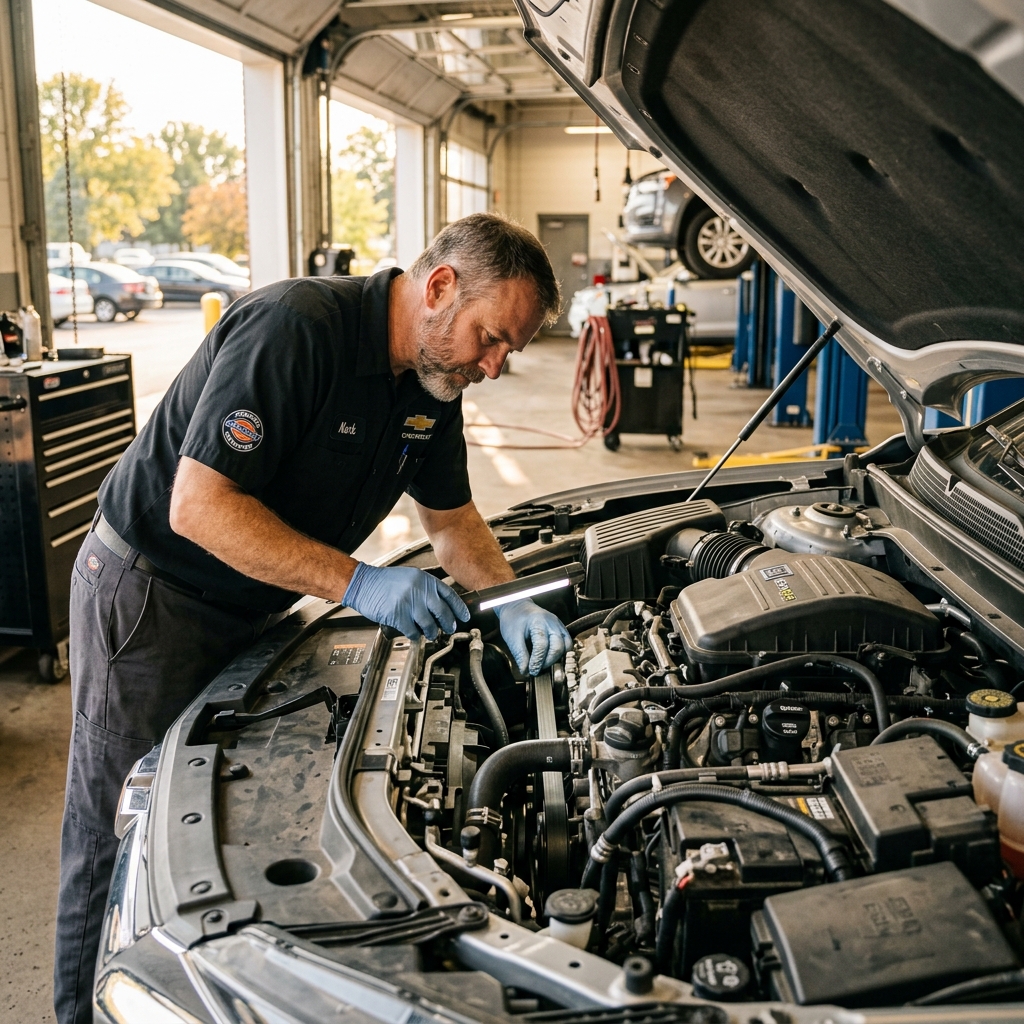
Comprehensive end-of-summer engine maintenance acts as a protective shield. By replacing thermally oxidized motor oil, restoring ACDelco Dex-Cool coolant levels, inspecting serpentine belts, and testing heat-stressed battery cells, you ensure your Silverado, Equinox, Tahoe, or Malibu transitions seamlessly into fall. Taking proactive action today safeguards engine performance, maintains optimum fuel efficiency, and prevents costly emergency repairs when cold weather arrives in Joliet.
How Severe Heat and Towing Accelerate Chevrolet Engine Wear
Extreme ambient temperatures combined with heavy engine loads create severe thermal stress inside modern Chevrolet powertrains. Whether your vehicle is equipped with an efficient Ecotec turbo engine, a powerful 5.3L or 6.2L V8 EcoTec3 engine with Dynamic Fuel Management, or a heavy-duty Duramax Turbo-Diesel, sustained summer temperatures cause thermal breakdown of vital lubricants. Under high heat, motor oil experiences viscosity loss, reducing its ability to maintain a protective film between high-friction internal components like camshafts, pistons, and main bearings.
Summer towing—whether pulling boats to Lake Michigan or campers across Northern Illinois—drastically elevates transmission and engine oil temperatures. High operating temperatures accelerate oxidation, causing sludge formation and varnish deposits inside fluid passages. End-of-summer maintenance flushes out these oxidized contaminants and replenishes additive packages essential for protecting complex valvetrain systems.
How Frequently Should Motor Oil Be Changed on a Chevrolet During Hot Summer Driving?
Chevrolet OLMS Technology
Modern Chevrolet vehicles feature the Oil Life Monitoring System (OLMS), which dynamically calculates remaining oil lifespan based on engine revolutions, operating temperatures, idle time, and trip lengths. Hot summer driving with extended idling on Route 59 or Jefferson Street rapidly depletes oil additives, causing the percentage to drop faster than actual odometer miles.
Severe Operating Conditions
General Motors defines severe operating conditions as frequent short trips, driving in temperatures above 90°F, extensive idling, trailer towing, or traversing dusty gravel roads. If your summer routine involves these conditions, changing your synthetic ACDelco Dexos1 oil every 3,000 to 5,000 miles is strongly advised to prevent oil shear and carbon buildup.
ACDelco dexos1 Full Synthetic
Using factory-approved ACDelco dexos1 Gen 3 full synthetic oil ensures superior resistance to high-temperature volatility and oxidation. Conventional oils breakdown quickly under summer heat shock, whereas dexos1 synthetic formulations protect turbocharger bearings and direct-injection fuel systems against thermal breakdown.
End-of-Summer Maintenance Checklist: Shielding Your Chevy Engine from Late-August Heat
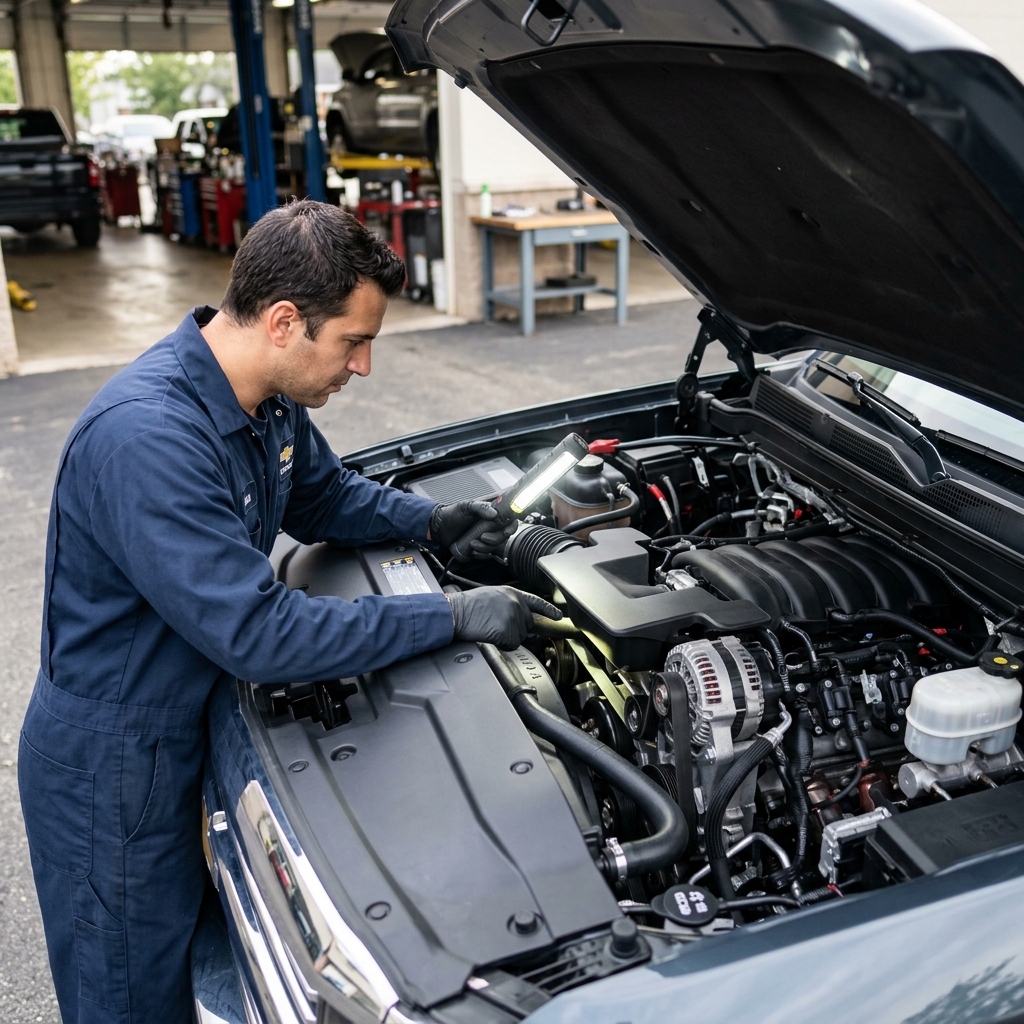
Protecting your engine requires a targeted multi-point inspection tailored to late-summer heat recovery. A comprehensive end-of-summer maintenance service at Hawk Chevrolet of Joliet evaluates all critical engine systems: • Engine Oil & Filter Refresh: Replace heat-degraded motor oil with genuine ACDelco dexos1 full synthetic formula. • ACDelco Dex-Cool Coolant Level & Density Test: Inspect fluid levels, freeze/boil point protection, and anti-corrosion chemical balance. • Serpentine Belt & Tensioner Check: Inspect drive belts for thermal glazing, micro-cracking, or rubber breakdown. • Radiator & Heater Hose Inspection: Verify rubber elasticity, checking for heat-soak soft spots or swelling around connection clamps. • Engine Air Filter Inspection: Clear accumulated summer dust, chaff, and pollen restricting airflow to combustion chambers. • Battery & Charging System Load Test: Test cold-cranking amps (CCA) and terminal corrosion caused by high summer heat exposure.
How Do You Check for Cooling System Leaks on a Chevrolet Vehicle at Home?
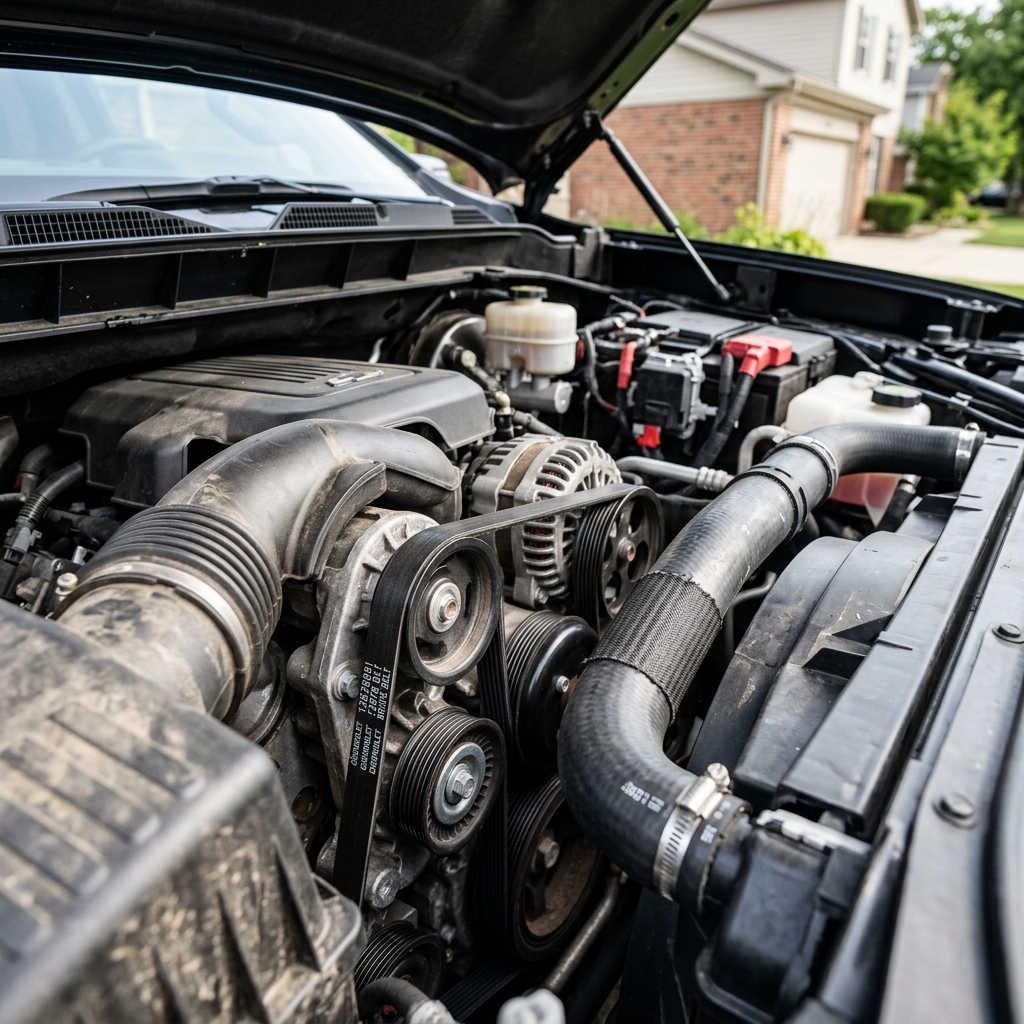
Inspecting your Chevrolet cooling system at home in Plainfield or Joliet is a straightforward preventative step. Always perform visual checks when the engine is completely cold to prevent severe steam burns. First, locate the pressurized coolant expansion surge tank. The orange-colored ACDelco Dex-Cool fluid level should align perfectly between the 'Cold Fill' markings on the translucent reservoir. A noticeably low level indicates a slow leak in the pressurized loop.
Next, inspect around radiator seams, water pump housing seals, and upper/lower radiator hose quick-connect fittings for crusty orange residue or sticky dampness. A distinctive sweet, syrup-like smell coming from under the hood after driving is a sure sign of atomized coolant escaping onto hot engine manifolds. If replacement caps, hoses, or fluids are needed, you can Order Genuine Chevrolet Parts directly from our Joliet parts center.
What Specific Signs of Belt and Hose Damage Should I Look for on My Chevy After Summer?
Serpentine Belt Glazing & Fraying
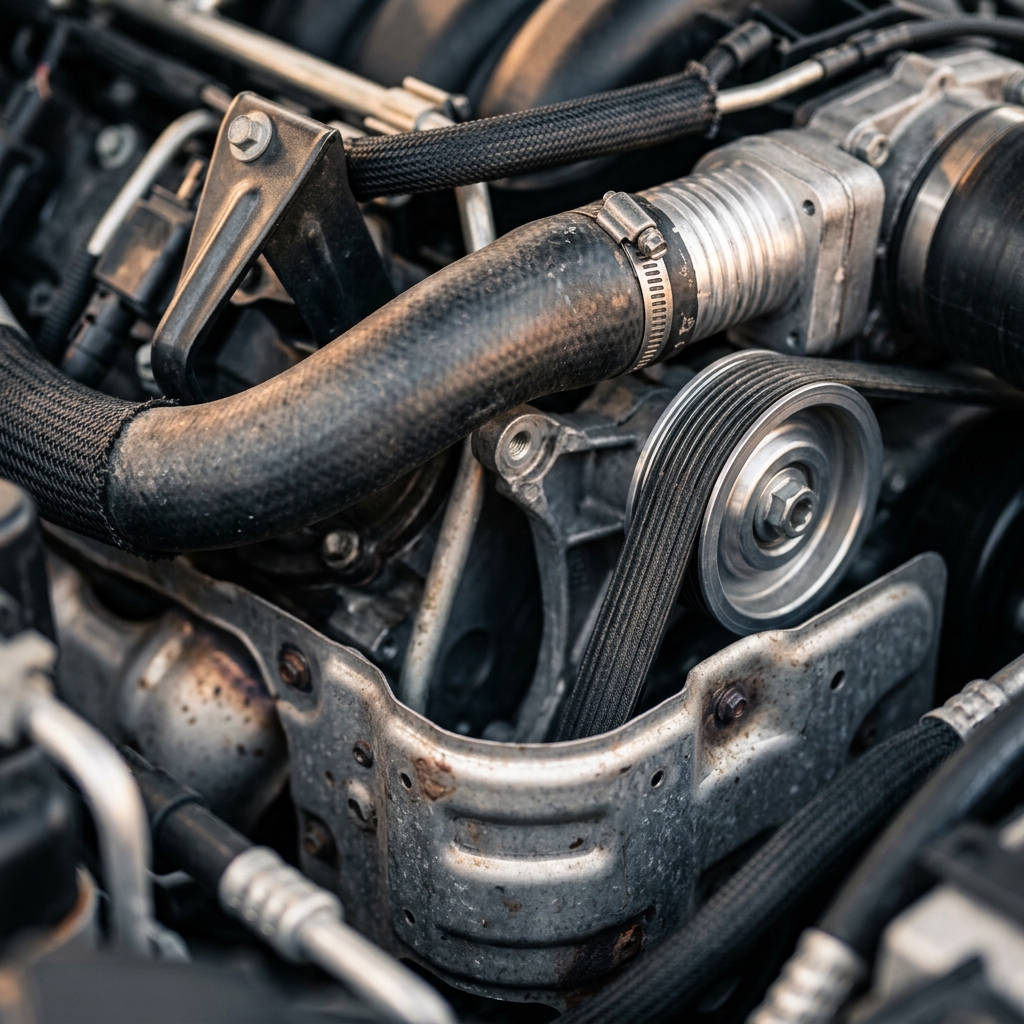
Prolonged summer heat causes rubber serpentine belts to harden and glaze over. Look for shiny, smooth under-rib surfaces or frayed outer edges, which cause slippage on alternator and water pump pulleys, triggering high-pitched squealing noises upon cold startup.
Hose Heat-Soak Soft Spots
High ambient temperatures break down internal hose reinforcement layers. Squeeze upper and lower radiator hoses while cold; they should feel firm yet pliable. Excessively soft, spongy, or swollen areas near hose clamps indicate imminent hydraulic rupture under pressure.
What Signs Indicate I Should Replace My Chevy's Battery at the End of Summer?
Contrary to popular belief, severe summer heat—not winter cold—is the primary killer of automotive batteries. Extreme under-hood temperatures cause internal electrolyte fluid evaporation, accelerating internal lead plate grid corrosion and internal discharge capacity loss. A battery severely weakened during July and August will completely fail during the first sudden autumn cold snap in Chicagoland.
Key warning signs that your Chevrolet battery needs replacement include slow, sluggish engine cranking when pushing the Start button, dim exterior headlamps at idle, heavy white or greenish corrosion crust around battery terminal posts, or a swollen battery casing. If your vehicle requires service budget planning, you can easily Get Pre-Approved for Financing for repair and service package support.
What Are Signs My Chevy's AC System Needs Service After a Hot Summer?
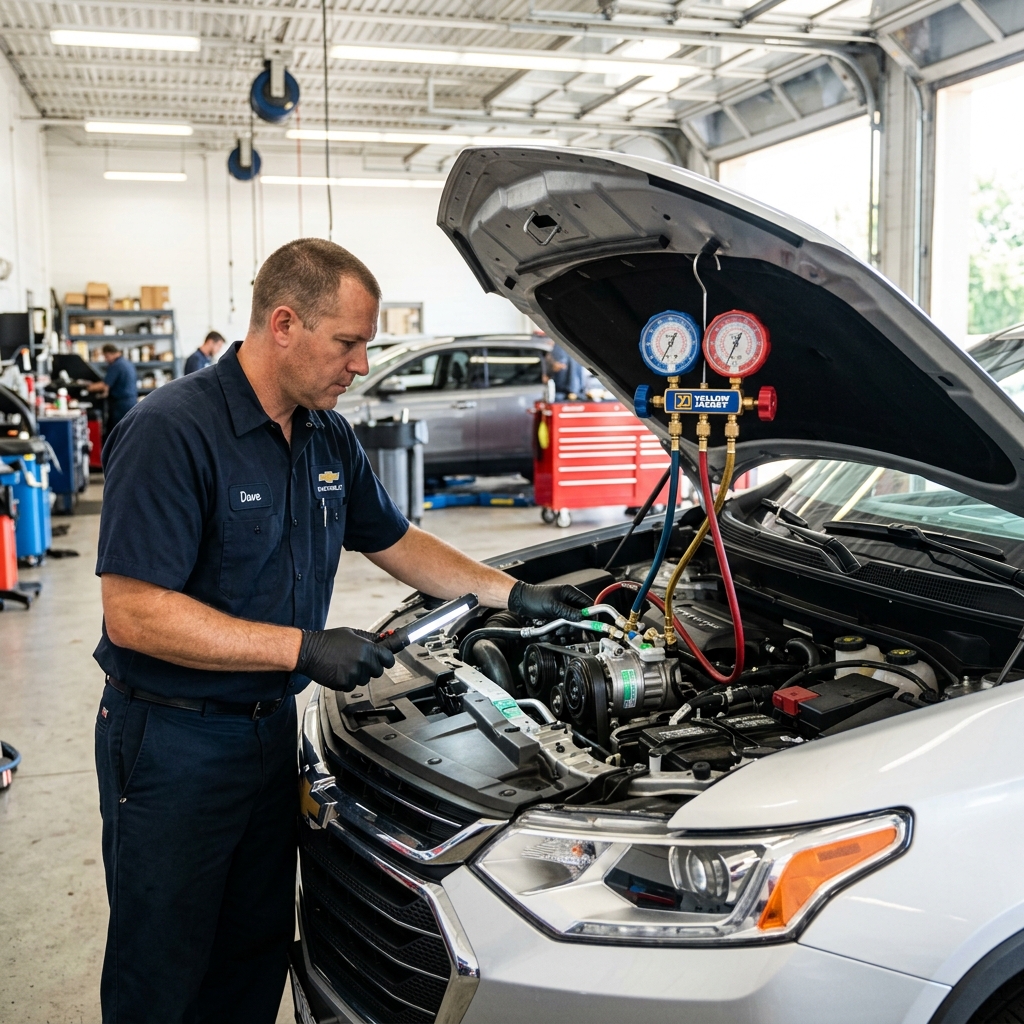
After working non-stop through ninety-degree humid days, your Chevrolet air conditioning system may exhibit signs of strain. Common symptoms of an overworked climate control system include blowing warm air while idling at traffic lights, loud clicking or whistling noises when the AC compressor clutch engages, or uneven airflow across passenger vents. Low refrigerant charges strain the AC compressor, leading to premature mechanical failure.
Additionally, a musty or damp odor inside the cabin usually indicates a severely clogged cabin air filter loaded with late-summer pollen and dust, or mildew growth inside the evaporator core housing. Servicing your AC system restores crisp cooling and ensures clear window defogging capability when autumn humidity arrives.
How Engine Air Filter Replacement Protects Chevy Fuel Economy and Airflow
Will County Debris Load
Driving past agricultural fields and heavy industrial corridors around Joliet fills your engine air filter with dust, chaff, sand, and insects during late summer. A clogged filter severely starves your combustion chamber of clean oxygen.
Restoring Fuel Efficiency
When engine airflow is restricted, your Chevy's engine control module compensates by adjusting fuel mixture parameters, decreasing overall fuel economy and throttle responsiveness. Fresh air intake restores optimum mpg.
Protecting MAF Sensors
A high-quality ACDelco filter prevents abrasive micro-particles from bypassing the filter box and fouling delicate Mass Air Flow (MAF) sensors. If considering upgrading your vehicle, feel free to Browse Used Inventory models.
Preparing Your Chevy Engine for the Chicagoland Shift from Heat to Cold
Weather in Northern Illinois transitions rapidly between late August and mid-October. Daytime highs in the 80s can plunge into overnight freezes within weeks. Rapid thermal swings place extreme shock on engine gaskets, cooling systems, and electrical circuits. Preparing your engine at the tail end of summer ensures your vehicle is never caught unprepared by early frost or icy weather.
End-of-summer maintenance removes moisture and contaminants trapped in engine crankcases and cooling jackets during humid summer driving, protecting internal aluminum engine blocks and cylinder heads against internal rust, galvanic corrosion, and sudden thermal shock.
How Far in Advance Should You Book End-of-Summer Maintenance at a Chevy Dealer Near Joliet?
Late August through early September is one of the busiest service periods of the year across Will County due to back-to-school commutes, labor day road trips, and pre-winter vehicle preparation. To secure your preferred time slot and avoid appointment delays, we recommend booking your service appointment 10 to 14 days in advance.
Our convenient online scheduling platform lets you pick your exact date, time, and service package in seconds. Conveniently located on West Jefferson Street, Hawk Chevrolet of Joliet offers express maintenance lanes, comfortable customer lounges, and factory-certified technicians. Need assistance finding us? Get Directions to Hawk Chevrolet of Joliet or Call us at (815) 472-8001 directly.
Protecting Engine Longevity and Maximize Trade-In Value at Hawk Chevrolet
Factory Warranty Coverage
Adhering to factory-recommended oil and fluid service intervals with genuine ACDelco parts keeps your Chevrolet Powertrain Limited Warranty fully active and intact throughout your ownership term.
Documented Service History
A complete, dealer-verified CARFAX vehicle service record commands top market dollar when trading in your vehicle. Prospective buyers pay top values for vehicles with meticulous thermal maintenance care.
Appraisal Premium
Vehicles receiving regular late-summer engine protection avoid major mechanical deductions during dealership appraisals. You can easily Value Your Trade online anytime.
|
Maintenance Factor
|
Regular End-of-Summer Care
|
Deferred Maintenance Risk
|
|
Engine Oil Quality
|
Optimal viscosity & thermal stability
|
Oil oxidation, varnish & mechanical sludge
|
|
Cooling System
|
Proper pressure seal & anti-corrosion balance
|
Coolant leak, overheating & blown head gasket
|
|
Trade-In Value Impact
|
Maximum appraisal payout
|
Substantial mechanical repair deductions
|
Schedule Your Late-August Chevrolet Engine Service at Hawk Chevrolet of Joliet
Don't leave your engine's reliability to chance after months of extreme summer heat. Protect your Chevrolet vehicle today with certified maintenance service at Hawk Chevrolet of Joliet. Serving drivers across Joliet, Plainfield, Naperville, and surrounding Will County communities, our factory-trained GM technicians deliver uncompromised service precision using genuine ACDelco parts.
Ready to upgrade your daily ride? Feel free to Browse New Inventory models online or visit our showroom on West Jefferson Street today.