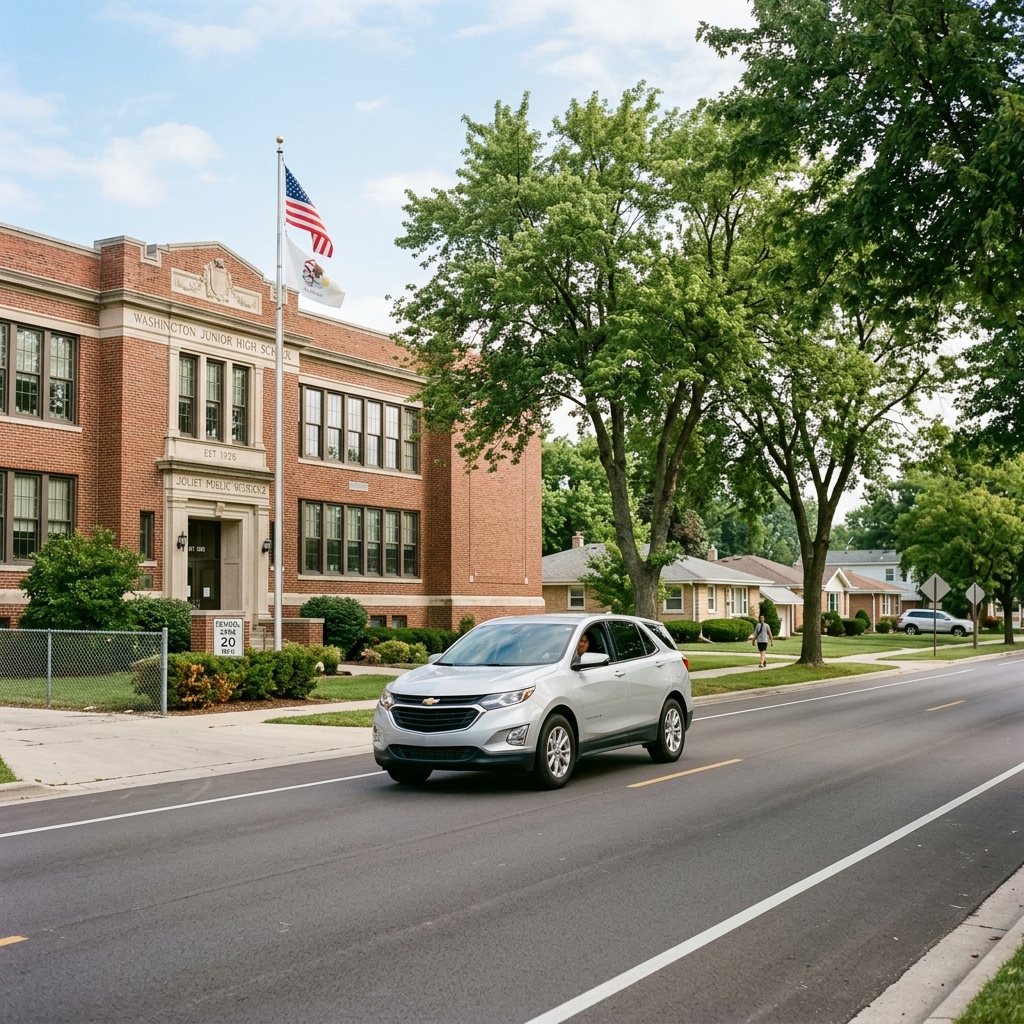
Essential School Drop-Off Emergency Kit Checklist & Back-to-School Car Readiness
Every parent who has experienced the morning suburban school rush knows that the drop-off line is a high-stakes, unpredictable ecosystem. Between abrupt quick-stops, last-minute wardrobe disasters, spilled juice boxes, and forgotten science projects, a smooth morning departure can turn chaotic in seconds. The secret to maintaining composure and keeping your household schedule intact lies in building a dedicated school drop-off emergency kit for your vehicle while ensuring your car itself is mechanically prepared for the daily stop-and-go grind.
At Get Directions to Hawk Chevrolet of Joliet, we interact with thousands of suburban parents throughout Joliet, Plainfield, and Naperville each fall. We understand that your family crossover, SUV, or sedan serves as a mobile command center, morning cafeteria, and dressing room all rolled into one. Having the right interior emergency gear alongside a mechanically sound vehicle ensures that minor hiccups remain simple bumps in the road rather than full-blown morning crises.
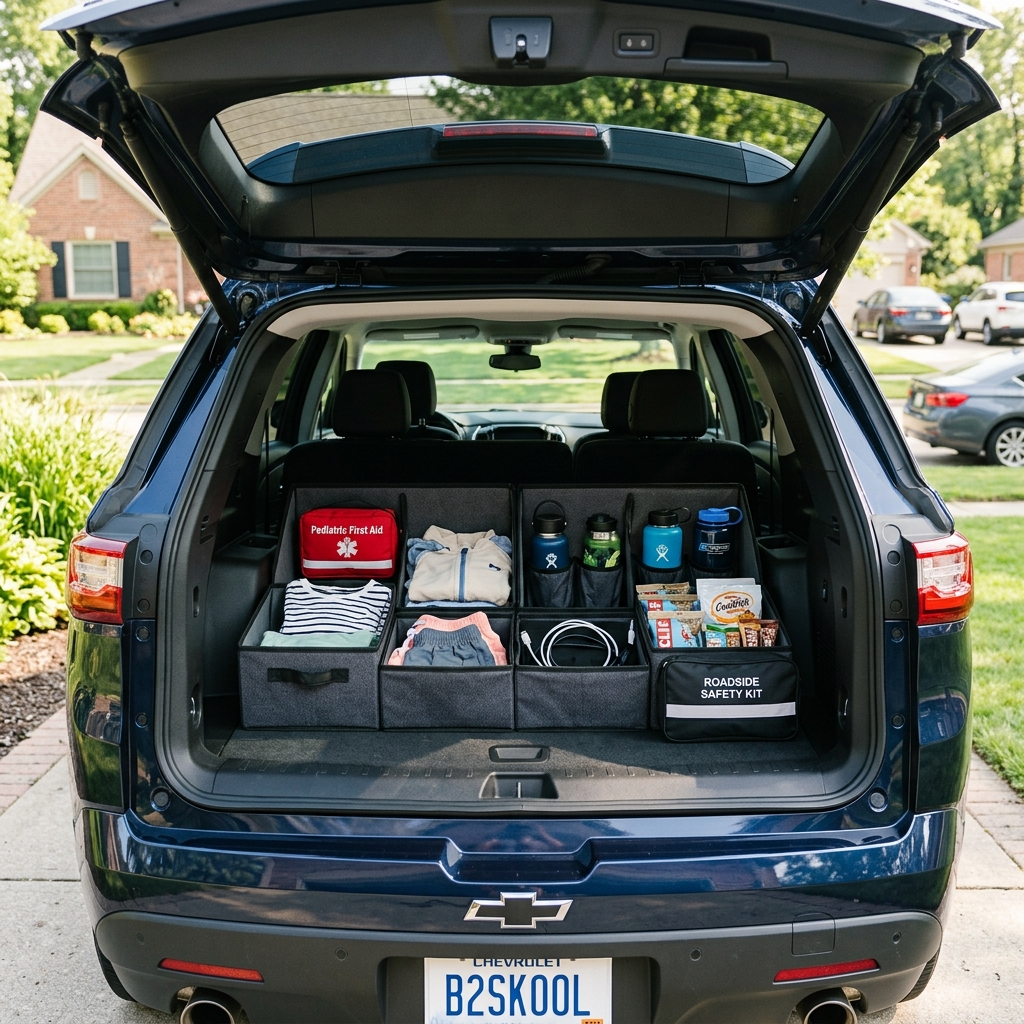
To give you an immediate action-oriented blueprint, your essential drop-off emergency kit should be split into two main operational categories: daily child-care resilience gear and critical vehicle recovery equipment. Daily child-care gear includes complete wardrobe backups, stain-removal pens, non-perishable low-sugar snacks, pediatric first-aid essentials, wet wipes, and multi-device power banks. Vehicle recovery gear requires a portable lithium-ion jump starter pack, compact digital tire inflator, tire pressure gauge, and sturdy trunk storage bins.
Pairing this internal emergency stash with routine vehicle health checks—such as evaluating tire tread depth, testing battery cold-cranking amps, and checking front-end alignment—guarantees that your vehicle stays reliable throughout the academic calendar. Before diving into specific supplies, review our baseline back-to-school preparation overview table below to establish your family's readiness baseline.
|
Emergency / Maintenance Area
|
Essential Car Supplies & Action Items
|
Primary Commuter Benefit
|
|
Wardrobe & Hygiene
|
Spare outfits, stain removers, wipes, pediatric bandages, hand sanitizer
|
Prevents late turnarounds and keeps kids dress-code compliant
|
|
Nutrition & Tech
|
Non-melting protein bars, water bottles, multi-plug USB cables, power bank
|
Eliminates hunger meltdowns and keeps school devices powered
|
|
Roadside Safety
|
Lithium jump starter, digital inflator, flashlight, OEM trunk organizer
|
Solves dead batteries and low tire pressures directly in line
|
|
DIY Vehicle Checks
|
Penny tread depth check, wiper blade inspection, washer fluid top-off
|
Saves money on simple maintenance and ensures wet-weather visibility
|
|
Certified Professional Care
|
Brake pad measurement, battery load test, four-wheel alignment
|
Ensures emergency stopping power and uniform tire wear across school zones
|
What Wardrobe and First-Aid Emergencies Happen in the School Drop-Off Line?
Wardrobe Backup Solutions
Morning wardrobe malfunctions are among the top causes of unexpected delays during school drop-offs. A spilled glass of orange juice on a clean shirt, a broken zipper on a school uniform jacket, or a shoe lace snap three cars away from the drop-off zone can instantly cause panic. Stash a compact compression bag under a passenger seat containing one full set of dress-code approved clothing for each child, including socks and underwear.
In addition to spare apparel, include instant stain remover pens, a lint roller, safety pins, and fabric tape. If a button pops off or breakfast grease lands on a shirt panel, quick action with a portable stain stick combined with double-sided fabric tape can make the outfit presentable in under two minutes, saving you from making a stress-filled round trip back home.
Pediatric First-Aid & Hygiene
Standard automotive first-aid kits are frequently packed with industrial-grade gauze and heavy tourniquets, but lack practical pediatric supplies needed for school-bound children. Build a tailored first-aid pouch with flexible adhesive bandages in various child-friendly sizes, antiseptic cleansing wipes, sting-relief spray, hydrocortisone cream, and pediatric chewable pain relievers.
Hygiene supplies are equally vital. Keep flushable facial tissues, alcohol-free hand sanitizer, travel toothbrush kits, and hypoallergenic wet wipes within reach of the backseat. If your child wakes up with minor skin irritation or suffers a paper cut while organizing their homework binder in the backseat, having these items at your fingertips keeps the mood calm and on schedule.
How to Pack Emergency Snacks and Tech Chargers Without Cluttering Your Vehicle
Non-Melting Food Reserves
Suburban heat can turn chocolate-coated granola bars into messy puddles inside a warm cabin. Select non-perishable, temperature-resilient options such as roasted chickpeas, whole-grain fruit leather, sunflower seed butter pouches, and vacuum-sealed applesauce pouches. Store them in insulated soft-sided pouches under rear seat footwells.
Hydration Solutions
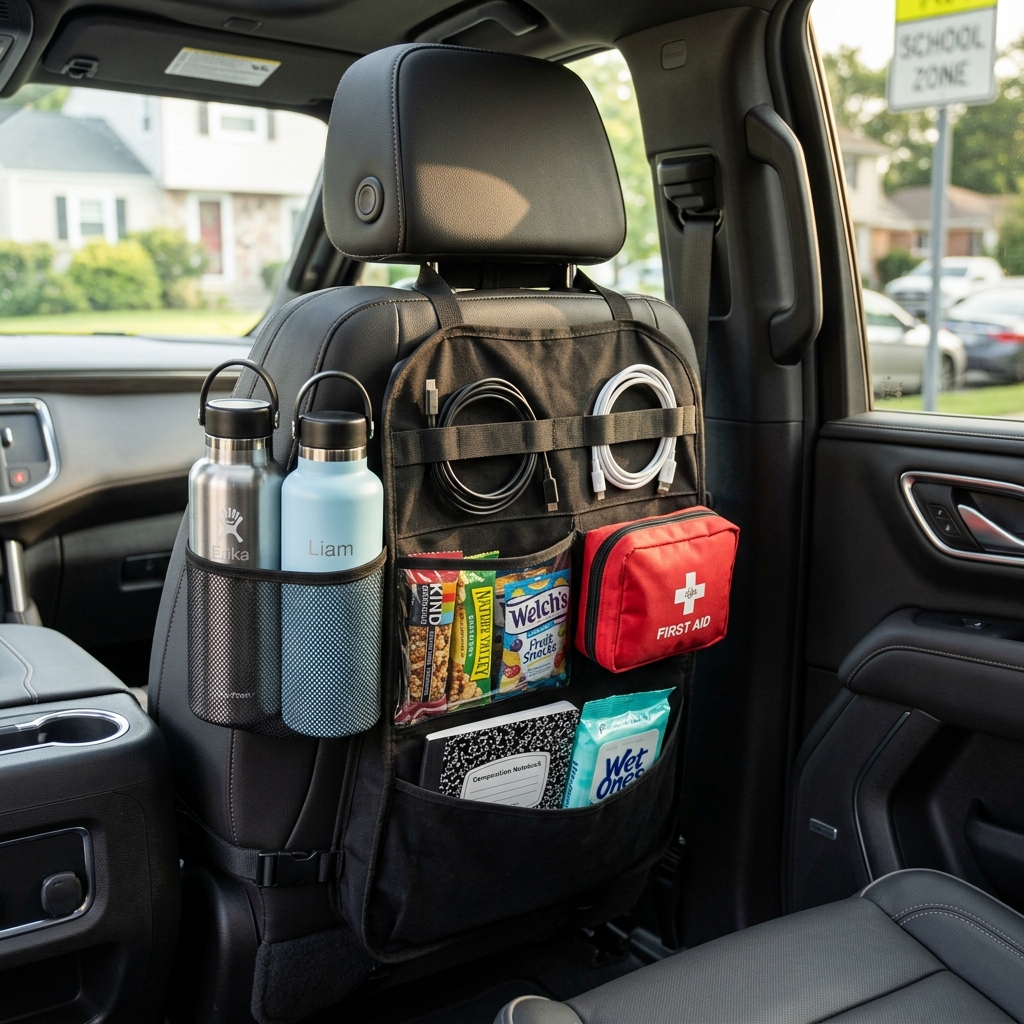
Single-use plastic water bottles degrade when exposed to hot vehicle interiors. Keep two insulated stainless steel water bottles pre-filled or store BPA-free emergency water pouches in your cargo bay. Cold, clean hydration prevents morning headaches and keeps children focused during early school schedules.
Multi-Device Charging Gear
A dead tablet or school laptop before morning drop-off can derail homework turn-in schedules. Equip your rear console with multi-head heavy-duty braided charging cables (Lightning, USB-C, Micro-USB) attached to a high-wattage 12V adapter or dedicated power bank so all school electronics charge during the drive.
What Roadside Safety Tools Should Every Suburban Parent Keep in the Trunk?
Compact Recovery Equipment
Relying on traditional jumper cables requires finding a Good Samaritan willing to park nose-to-nose in a crowded school parking lot or drop-off zone. Replace cumbersome cables with a standalone lithium-ion jump starter pack rated for your engine size. These compact power banks weigh less than three pounds, hold charge for months, and allow you to jump start your engine safely in minutes without external help.
Pair your jump starter with a portable 12V digital tire inflator and a backlit pressure gauge. Suburban temperature shifts during late summer and early autumn cause tire air pressure fluctuations. A tire pressure indicator light on your dashboard won't force you to cancel your morning plans if you have a portable inflator in your trunk to top off low tires right in your driveway.
Trunk Storage & Protection
Loose emergency tools sliding around cargo space create annoying noises and can damage interior trim panels during tight turns. Secure your recovery gear using custom-fit cargo organizers or collapsible trunk storage bins. Keeping emergency gear organized ensures fast access when speed is essential.
To upgrade your vehicle's cargo management capabilities or purchase genuine Chevrolet roadside safety kits, explore our parts center. You can Order Genuine Chevrolet Parts online to secure custom floor mats, cargo nets, and custom storage dividers tailored specifically to your Chevy Equinox, Traverse, or Tahoe.
What Can I Check Myself Before Paying for Service Prior to the School Year?
Before booking a professional service visit, performing simple DIY vehicle checks in your driveway can save you time and money. Parents can easily inspect high-wear consumable components in less than fifteen minutes without specialized tools. Here is your home back-to-school inspection checklist:
1. Wipers & Fluids
Inspect wiper rubber blades for splitting, tears, or chatter marks. Lift the wiper arms and clean the edges with a wet paper towel. Top off windshield washer fluid with a bugs-and-grime formula suited for late summer morning condensation.
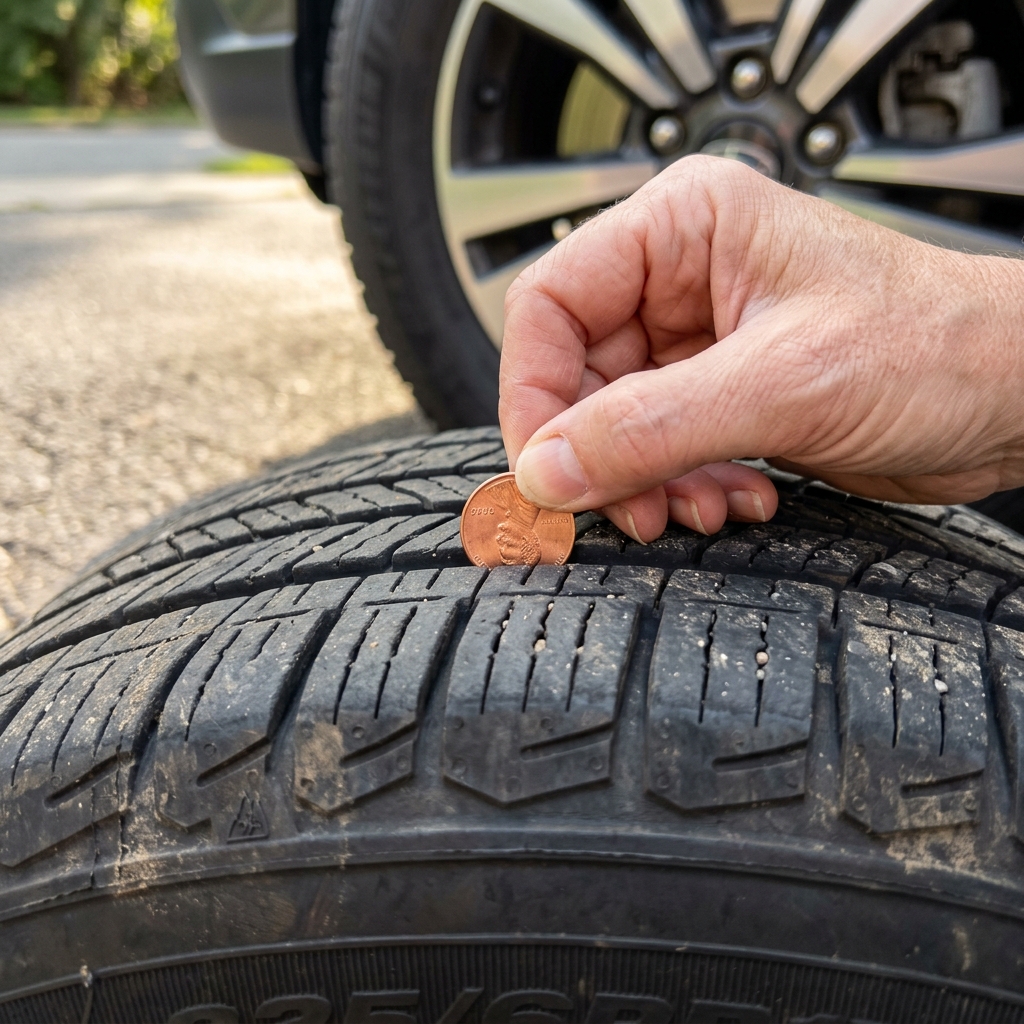
2. Penny Tread Test
Insert a penny upside down into several tire tread grooves. If Abraham Lincoln's entire head remains visible, your tread depth is below 2/32 inches and requires immediate tire replacement to maintain safe wet braking distances.
3. Lighting & Cabin Filter
Walk around your car while a family member presses the brake pedal and tests turn signals, headlights, and reverse lights. Check your cabin air filter behind the glovebox—if clogged with spring pollen, replace it to ensure fresh air flow for young passengers.
Which Checks Should Be Done by a Mechanic During Back-to-School Prep?
Brake System & Battery Analysis
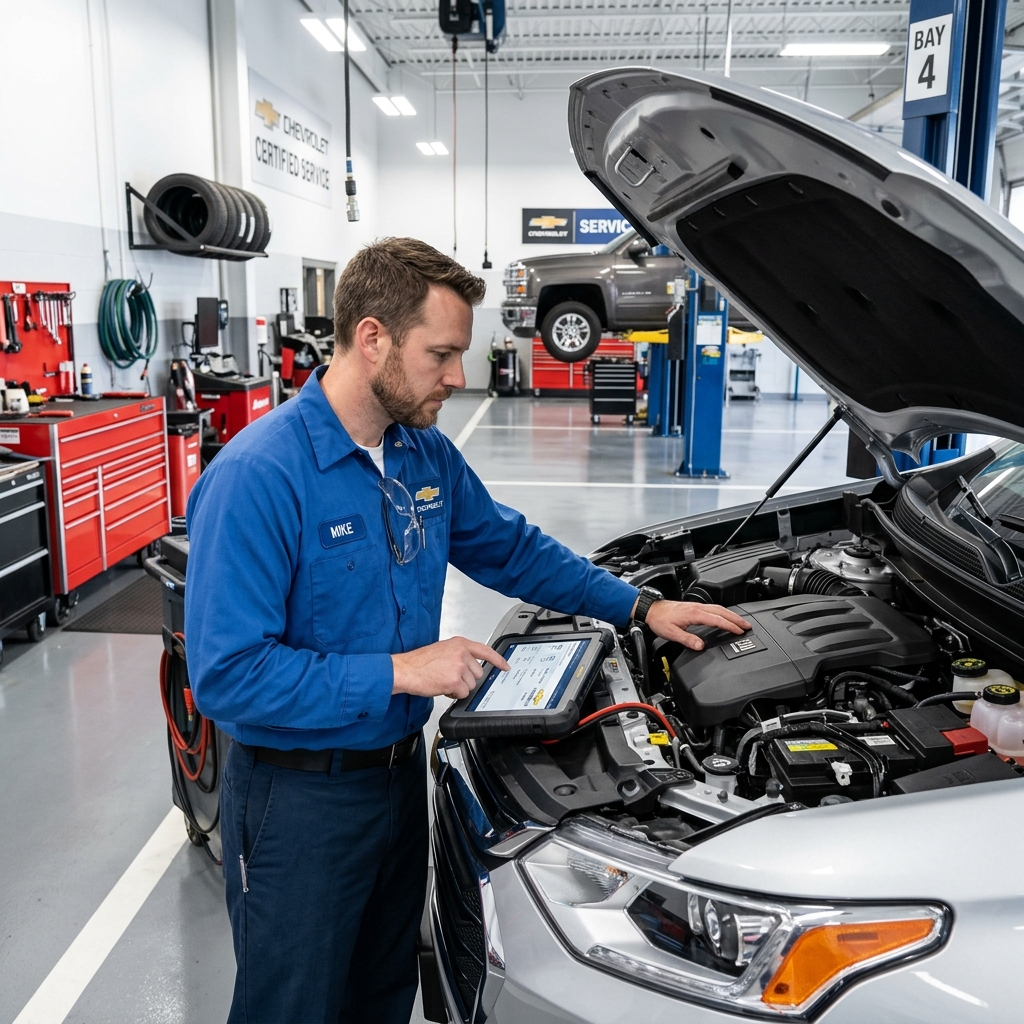
While home checks catch visible wear, critical mechanical safety systems require professional diagnostic calibration. Brake pad thickness cannot be accurately measured without removing wheels or using digital calipers. Certified technicians evaluate inner and outer pad friction material, brake rotor thickness, and caliper slide operation to ensure maximum stopping power in congested school zones.
Similarly, automotive batteries often fail without prior warning during early autumn temperature drops. A professional computerized load test measures Cold Cranking Amps (CCA) and reserve capacity, revealing internal plate degradation long before your starter motor struggles to turn over on a chilly September morning.
Suspension & Fluid Chemical Checks
Suspension components such as strut mounts, ball joints, and control arm bushings require hoist inspection. Worn bushings lead to erratic steering response, excessive body roll during emergency maneuvers, and accelerated tire wear. A certified technician inspects undercarriage components for play, fluid leaks, or structural fatigue.
Mechanics also evaluate fluid condition beyond basic dipstick levels. Using refractometers and chemical test strips, technicians verify moisture content in brake fluid, pH balance in engine coolant, and viscosity degradation in transmission fluid. Maintaining pure fluids protects major vehicle assemblies against costly failures during daily suburban commutes.
What Components Are Inspected During a Standard Back-to-School Multi-Point Vehicle Inspection?
When you bring your family vehicle to Hawk Chevrolet of Joliet for a back-to-school service visit, our factory-certified technicians perform a rigorous multi-point vehicle inspection. This comprehensive evaluation follows a color-coded rating system (Green = Good, Yellow = Needs Attention Soon, Red = Requires Immediate Repair) so you have complete transparency regarding your vehicle's condition.
Our certified technicians examine serpentine drive belts for micro-cracking and proper tensioning, verify radiator hose elasticity to prevent sudden cooling system ruptures, and pressure-test hydraulic brake lines. Steering linkages, tie rod ends, constant-velocity (CV) boots, exhaust heat shields, and battery terminal connections are also checked.
By identifying minor component wear before school begins, you protect your family budget from sudden emergency repairs while ensuring your vehicle operates reliably throughout the school year. You can easily Schedule Your Service Today online to secure a convenient drop-off time tailored to your family schedule.
Why Is a Steering Wheel Off-Center When Driving Straight Down a Flat Highway?
School Zone Curb Impacts
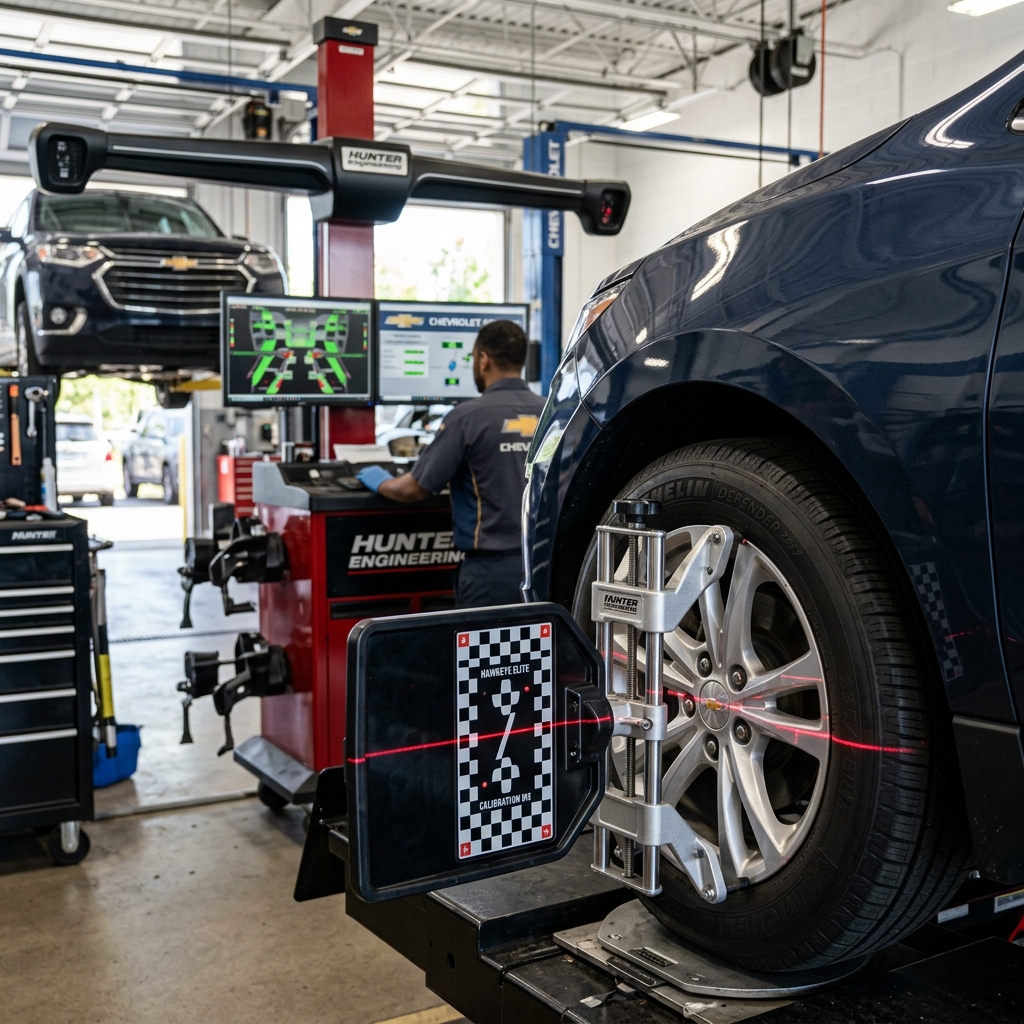
If you notice your steering wheel pointing at the 11 o'clock or 1 o'clock position while your vehicle tracks straight on flat pavement, front-end wheel misalignment is the primary culprit. Crowded suburban school drop-off lines are frequent breeding grounds for alignment issues. Clipping concrete drop-off curb edges, striking hidden speed bumps at moderate speeds, or dropping a wheel into driveway drainage gutters nudges suspension geometry out of specification.
Impact on Safety & Handling
When steering geometry shifts out of alignment, modern electronic stability control (ESC) systems can misinterpret driver intent. The vehicle's steering angle sensor reports that you are turning when you are actually traveling straight. Correcting front-end alignment restores original handling dynamics, ensures predictable tire contact patches, and eliminates driver steering fatigue during long commutes.
What Happens If I Skip an Alignment Check Before Daily School Commutes Resume?
Accelerated Tire Wear
Misaligned wheels drag tires sideways across asphalt, causing severe premature shoulder feathering or edge wear. Skipping an alignment check can ruin a $1,000 set of brand-new tires in as little as 3,000 to 5,000 commuter miles.
Reduced Fuel Economy
When tires push against each other due to improper toe settings, rolling resistance increases dramatically. This forces your engine to consume up to 10% more fuel during daily suburban traffic, wasting money at the pump.
Compromised Wet Traction
Uneven tire contact patches reduce hydroplaning resistance on rain-soaked suburban roads. Proper wheel alignment ensures uniform tread contact across wet pavement during autumn morning rainstorms.
Do Back-to-School Service Coupons Expire Before September?
Seasonal Timing & Package Bundles
A common question parents ask during August preparation is whether back-to-school promotional offers expire before the academic term starts. Late-summer service specials, synthetic oil change packages, and four-wheel alignment bundles are strategically timed to cover the entire back-to-school transition window throughout August and early September.
However, due to high appointment demand prior to the first day of school, prime morning and weekend service slots fill quickly. Scheduling your service appointment early guarantees you reserve current promotional pricing while securing a drop-off time that fits your schedule.
Budget Planning & Upfront Pricing
At Hawk Chevrolet of Joliet, we provide transparent price quotes before any work begins. If your multi-point inspection reveals needed maintenance, our service advisors explain priority levels so you can plan repairs according to your family budget.
If you are considering upgrading your family transport vehicle before the school term begins, you can explore flexibility options online. Feel free to Get Pre-Approved for Financing or Value Your Trade directly through our website to discover your purchasing power.
Back-to-School Multi-Point Vehicle Service & Alignment Guide for Suburban Families
Driving in suburban Will County presents unique operational demands on family vehicles. Negotiating heavy river bridge traffic along Jefferson Street (Route 52), stop-and-go congestion near school corridors along Essington Road or Plainfield Road, and uneven road surfaces require optimal vehicle braking, alignment, and cooling efficiency.
Extended idling in school pick-up lines places added thermal stress on cooling fans and engine oil. Meanwhile, frequent stop-and-go city driving accelerates wear on brake pads and rotors. Staying proactive with routine multi-point inspections ensures your family SUV or sedan handles daily suburban commutes with ease.
Whether you are commuting across Joliet or taking high-speed suburban routes into Naperville, Hawk Chevrolet of Joliet is dedicated to keeping your family safe. If you're contemplating upgrading your commuter vehicle, you can Browse New Inventory or Browse Used Inventory to find fuel-efficient models equipped with advanced driver assistance features.
How to Organize Your Vehicle Safety Kit and Maintenance Schedule for Stress-Free Mornings
Kit Placement Strategy
Store high-frequency emergency supplies (wipes, snacks, first-aid, phone cables) in rear door pockets or seat-back organizers for instant accessibility. Keep low-frequency recovery tools (jump starter, inflator, tow strap) secured in under-floor cargo bins.
Quarterly Maintenance Routine
Set calendar reminders at the start of each academic quarter to restock perishable emergency snacks, check power bank charge levels, verify tire pressures, and check windshield washer fluid levels.
Professional Service Sync
Align major vehicle service visits—such as tire rotations, oil changes, brake inspections, and wheel alignments—with major school breaks (Late Summer Back-to-School, Winter Break, and Spring Break).
Schedule Your Back-to-School Service Inspection at Hawk Chevrolet of Joliet Today
Don't let unexpected mechanical breakdowns or morning drop-off emergencies interrupt your school year schedule. Ensure your vehicle is operating at peak safety, efficiency, and reliability with expert service from Hawk Chevrolet of Joliet.
Our factory-trained master technicians are ready to perform comprehensive multi-point inspections, precise laser wheel alignments, brake service, and battery testing. Conveniently located at 2001 W Jefferson St in Joliet, IL, we serve families throughout Will County. Have questions or need immediate scheduling assistance? Call us at (815) 472-8001 or reserve your appointment online below.