


How to Handle Summer Engine Overheating on the I-55 Commute

Picture this: It is a scorching July afternoon in Illinois, and you are trapped in bumper-to-bumper traffic on Interstate 55 near Joliet. The ambient temperature is pushing 95 degrees, the black asphalt is radiating heat like a blast furnace, and your cabin air conditioning is working overtime. Suddenly, you notice a distinct drop in your vehicle's performance. You glance down at your dashboard, and your heart sinks: the temperature gauge is climbing rapidly into the solid red zone, or worse, a flashing 'Engine Overheating' warning light illuminates. This high-stress scenario plays out for dozens of Will County commuters every single week during the brutal summer months. Knowing exactly what to do in these high-pressure moments can make the difference between a simple, safe roadside delay and a catastrophic, multi-thousand-dollar engine replacement.

The stretch of I-55 running through Joliet, Shorewood, and Plainfield is notorious for heavy commuter traffic, construction bottlenecks, and high-speed transit that transitions instantly into grueling stop-and-go gridlock. This abrupt transition from high-velocity airflow to stagnant idling is the absolute worst-case scenario for your vehicle's cooling system. When your engine is running at high RPMs, it generates immense thermal energy. If you suddenly come to a halt near the Route 30 or Jefferson Street exits without the natural wind speed to help dissipate that heat, your radiator, cooling fans, and water pump must operate at peak efficiency just to keep the engine from boiling over. Any minor weakness in your cooling system will be instantly exposed.

In this comprehensive guide, we will walk you through the essential survival steps for managing an overheating vehicle on the I-55 commute, explore the physical mechanics of why engines boil over, look at localized regional assistance like the IDOT Minutemen, and detail the preventative measures you can take today at Hawk Chevrolet of Joliet to ensure your daily drive remains safe, predictable, and stress-free. Whether you drive a brand-new Chevrolet Silverado, a family-friendly Equinox, or an older commuter sedan, the physical laws of thermal dynamics remain the same. Understanding how to manage and protect your engine is one of the most valuable automotive skills you can develop.
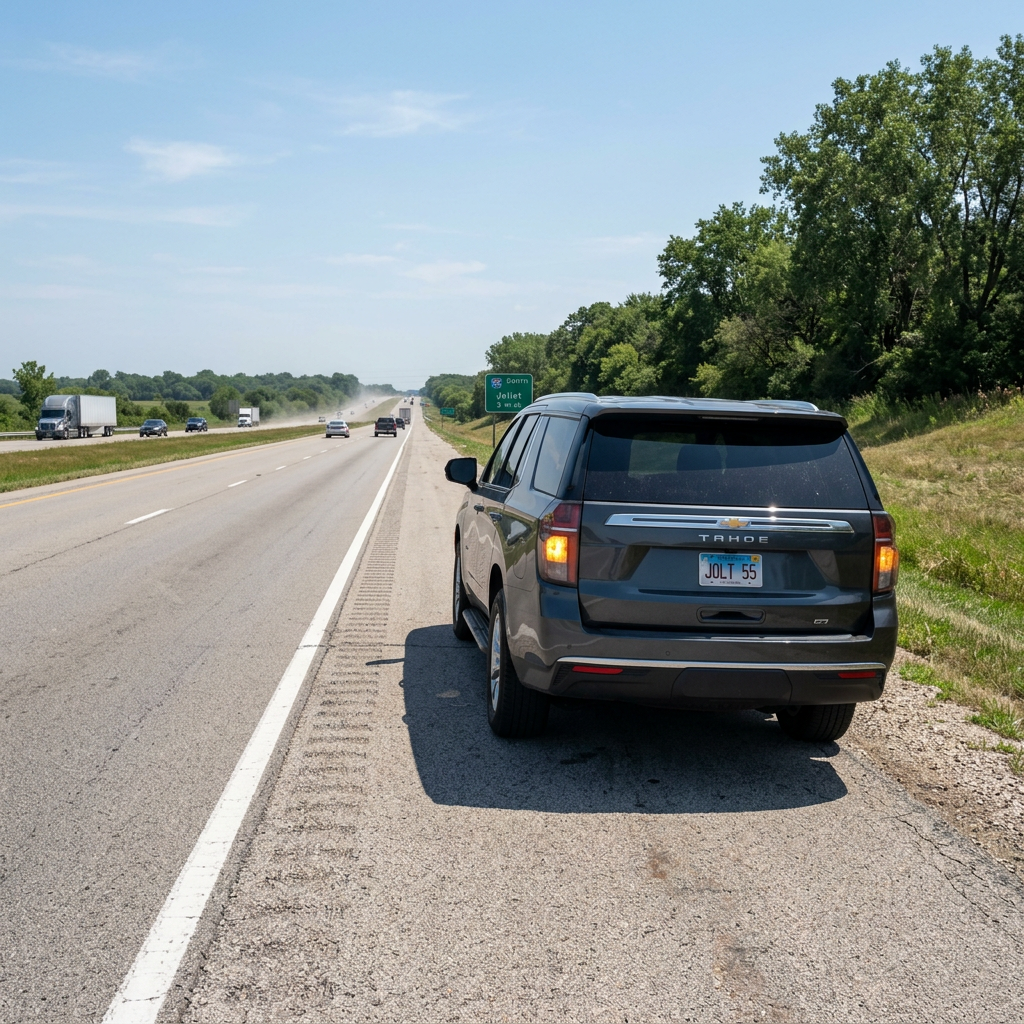
A gray Chevrolet Tahoe parked on the paved shoulder of a multi-lane highway on a clear day. (Representative image for illustration purposes only. Actual vehicle may vary based on trim and configuration.)

What are the immediate steps to take when a car engine starts overheating on the highway?

When your temperature gauge spikes on I-55, panic is your greatest enemy. You must execute a calm, highly structured emergency protocol to protect yourself, your passengers, and your vehicle's delicate engine. The very first action you should take—as counterintuitive as it sounds in the middle of July—is to turn off your air conditioning and switch your cabin heater to full blast with the fan high. Your vehicle's heater core acts as a secondary miniature radiator, pulling intense heat away from the engine block and blowing it directly into the passenger cabin. While this will make the interior uncomfortable, it immediately relieves thermal load from the main cooling circuit, sometimes buying you the precious minutes needed to reach a safe exit.

Next, signal your intent and immediately locate a safe place to pull off. On I-55 through Will County, aim for wide, paved shoulders or, ideally, an off-ramp such as Route 59, Black Road, or Jefferson Street. Move as far to the right as physically possible to distance yourself from the high-speed truck traffic. Once stopped, shift into Park, engage your emergency parking brake, and turn off the engine immediately. Leaving the engine idling while overheated will cause rapid, irreversible structural warp to your engine components. Keep your hazard lights flashing so passing motorists can clearly identify your stranded vehicle.

Crucial Safety Warning: Never, under any circumstances, attempt to open the hood or touch the radiator cap while the engine is hot. The cooling system is pressurized to roughly 15 to 20 PSI, and the coolant temperature can easily exceed 240 degrees Fahrenheit. Opening a hot cooling system will cause an explosive release of superheated steam and boiling chemical fluid, resulting in severe, life-altering third-degree burns. Wait at least 30 to 45 minutes for the system to fully cool before attempting to inspect fluid levels or open the hood. Your safety is infinitely more valuable than any mechanical component under that hood.

A driver's hand presses a glowing red hazard light button on a car's dashboard screen while driving on a highway. (Representative image for illustration purposes only. Actual vehicle may vary based on trim and configuration.)

Remember: Turning on your heater is a temporary emergency measure, not a permanent fix. If the temperature does not begin to drop within 60 seconds of turning the heater on, pull over immediately. Continuing to drive an overheating vehicle is a guaranteed way to destroy your engine.

What is the IDOT Minutemen service and do they patrol I-55 in Joliet?

For those commuting regularly through Will County, the Illinois Department of Transportation (IDOT) operates a highly specialized highway service known as the Emergency Traffic Patrol, affectionately referred to as the IDOT Minutemen. This dedicated fleet of bright yellow utility trucks is tasked with patrolling the major Chicago-area expressways, including the heavily traveled segments of I-55 from the city down through the Joliet and Shorewood exits. Their primary directive is to clear lane-blocking incidents, assist stranded motorists, and maintain safe traffic flow on some of the state's busiest roadways.

If your vehicle overheats on the shoulder of I-55, a Minuteman truck may pull up behind you to provide a protective barrier with their large flashing arrow boards. These professional responders are trained and equipped to handle basic emergency situations. They can provide a small amount of water or coolant to help you reach the nearest off-ramp, assist with basic mechanical diagnostics, offer a jump-start, or help change a flat tire. Most importantly, their presence provides an immediate layer of safety on a high-speed highway where roadside accidents are incredibly common.

To contact the IDOT Minutemen or report a hazardous roadside situation on I-55, you can dial *999 from your mobile device. This connects you directly to the Chicago Area Expressways motorist assistance dispatch. While waiting for their arrival, stay inside your locked vehicle with your seatbelt securely fastened if you cannot safely exit the highway entirely. If you must step out of your car, always exit through the passenger side doors—away from the active traffic lanes—and stand far back on the grassy embankment or behind the guardrail.

While the IDOT Minutemen are an outstanding public resource for emergency roadside safety, they are not a replacement for comprehensive automotive repair or dedicated vehicle transport. They are designed to get you out of immediate danger, not to fix the root cause of your mechanical breakdown. Once they have helped you transition to a safe location or off-ramp, your next step should be arranging professional diagnostics. For reliable recovery, you can call Hawk Chevrolet of Joliet's service advisors to organize a secure flatbed tow directly to our state-of-the-art repair facility.

Need immediate logistical guidance? Call us at (815) 472-8001 to speak with our service department for immediate support and towing recommendations.

How does a stuck thermostat cause sudden engine overheating?
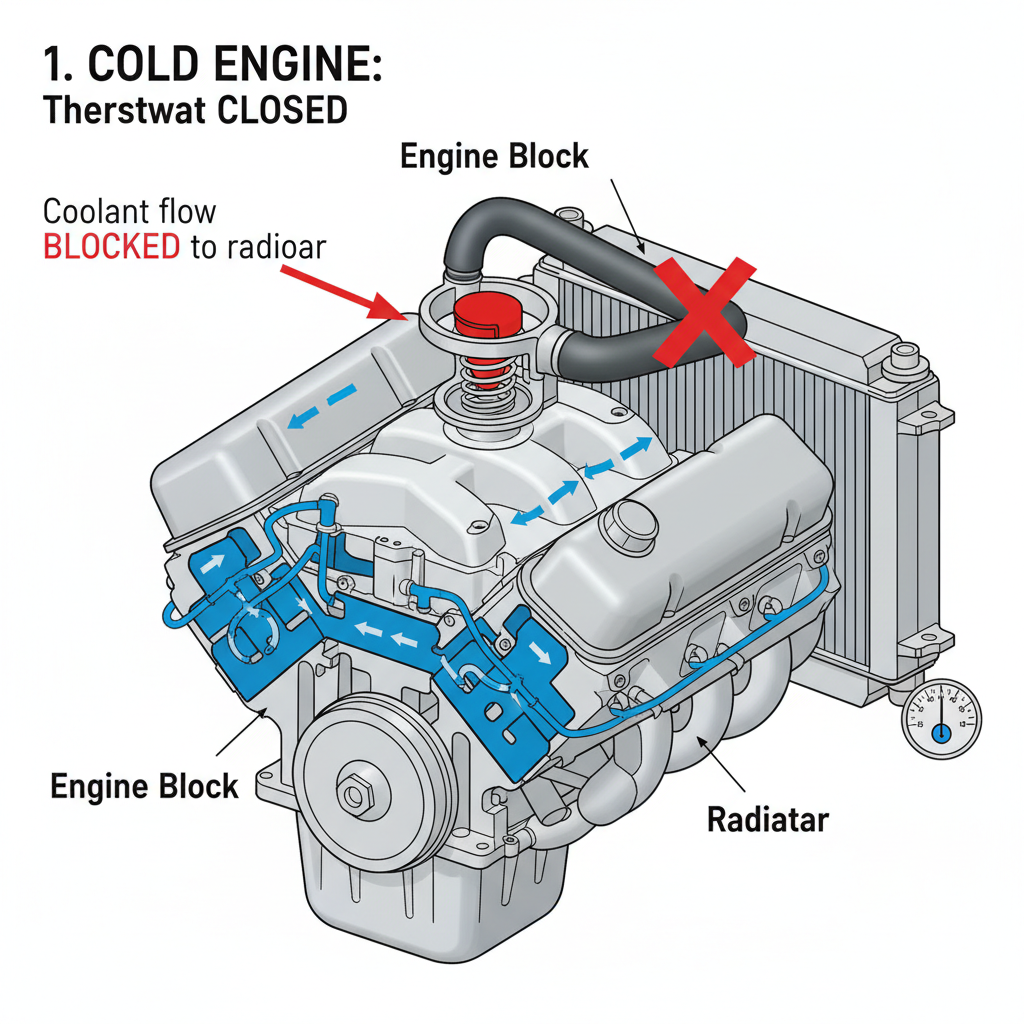
At the heart of your vehicle's cooling circuit sits a small, surprisingly simple mechanical component: the thermostat. This heat-sensitive valve acts as the primary gatekeeper for your engine's thermal regulation. When your engine is cold, the thermostat remains tightly closed, keeping the coolant localized within the engine block to help the motor reach its optimal operating temperature as quickly as possible. This rapid warming is crucial for minimizing emissions and ensuring proper engine lubrication.

Once the internal coolant temperature reaches a specific threshold (typically between 180 and 200 degrees Fahrenheit), the thermostat's internal wax pellet expands, physically forcing the valve to open. This allows hot coolant to flow out of the engine block and into the radiator, where passing air dissipates the heat. However, if this mechanical valve suffers from internal corrosion, spring fatigue, or material degradation, it can become physically stuck in the closed position.

When a thermostat is stuck shut, it acts as a permanent, impenetrable barrier. No matter how hot the engine gets, the coolant is trapped inside the engine block, completely isolated from the radiator. As you drive at high speeds on I-55, your engine generates massive heat that has absolutely nowhere to go. Within minutes, the localized coolant boils, pressure spikes, and the engine experiences a rapid, highly dangerous temperature spike that can cause severe internal structural damage.

Diagram showing coolant circulation in a cold engine with a closed thermostat blocking flow to the radiator. (Representative image for illustration purposes only. Actual vehicle may vary based on trim and configuration.)

How often should you check your coolant level to prevent highway overheating?
Preventative maintenance is the absolute foundation of reliable summer commuting. For drivers traversing the high-speed corridors between Naperville, Plainfield, and Joliet, checking your coolant levels should be a routine habit, not an afterthought. Automotive experts recommend visually inspecting your coolant reservoir at least once a month, and ideally before any extended road trip or during every weekly windshield fluid top-off. This simple visual check takes less than thirty seconds but can save you from a major highway headache.

When performing this inspection, look at the translucent plastic overflow reservoir tank located in your engine bay. This tank features molded 'Min' and 'Max' (or 'Cold' and 'Hot') fill lines. The coolant level should sit comfortably between these markers. If you notice the level is consistently dropping, this indicates a slow leak within the closed system—such as a hairline crack in a hose, a weeping water pump gasket, or a failing radiator core. These small leaks will eventually depressurize the system and lead to a sudden, catastrophic boil-over under heavy load.

It is also critical to understand that coolant degrades over time. The chemical corrosion inhibitors inside the fluid gradually break down, leaving your internal engine passages vulnerable to rust, scale build-up, and chemical electrolysis. A standard 50/50 mixture of ethylene glycol and distilled water is highly recommended for hot Illinois summers, as it raises the boiling point of the fluid significantly higher than pure water. If your coolant appears dark brown, cloudy, or has floating debris, it is time for a professional system flush to restore optimal thermal performance.

If your inspection reveals a low fluid level or dirty, discolored coolant, do not wait for the system to fail on your daily commute. You can easily Order Genuine Chevrolet Parts through our dedicated online portal to secure the exact, manufacturer-approved Dex-Cool fluid formulated specifically for your GM vehicle, ensuring maximum chemical compatibility and cooling efficiency.

Can a dirty radiator externally cause overheating on highways?

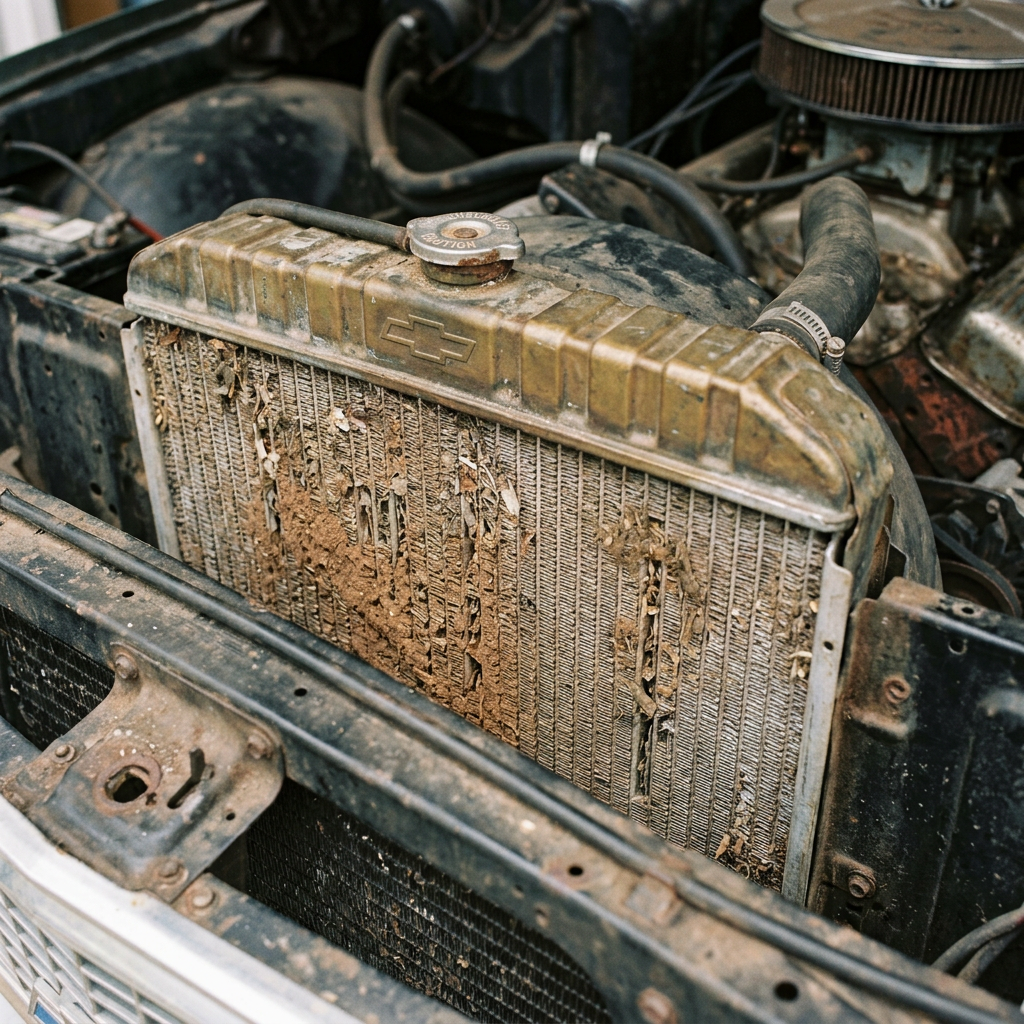
When we think about engine cooling, we naturally focus on the internal chemical fluids, water pumps, and internal hoses. However, the external physical state of your radiator is just as critical to the thermal exchange process. The radiator is designed with thousands of microscopic, incredibly thin aluminum cooling fins. These fins dramatically increase the surface area of the metal, allowing heat to transfer efficiently from the internal coolant tubes to the passing air flowing through the front grill of your vehicle.

Daily commuting on Interstate 55 exposes the front of your vehicle to a constant barrage of road debris, airborne dirt, insects, tree cotton, and road grime. Over months and years of driving, this debris gets physically wedged deep inside the tiny gaps between the aluminum cooling fins. This accumulation acts as a physical insulating blanket, trapping heat inside the radiator metal and severely restricting the vital volume of fresh, cool air that must pass through the assembly to dissipate thermal energy.

At lower city speeds, this lack of airflow is partially masked by your vehicle's electric cooling fans forcing air through the radiator. However, when you transition to high-speed driving on I-55, your engine is under sustained high load and requires maximum heat dissipation. If 30% or 40% of your radiator's surface area is blocked by packed dirt, bugs, or bent aluminum fins from flying road gravel, the radiator simply cannot keep up with the thermal demand, leading to a sudden, high-speed temperature spike.

A dirty, mud-covered brass radiator in an old Chevrolet engine bay. (Representative image for illustration purposes only. Actual vehicle may vary based on trim and configuration.)

What is the typical labor cost to replace a radiator in the Midwest?

When facing a compromised cooling system, transparency regarding repair costs is essential for planning and peace of mind. In the Chicago metropolitan area, including Joliet and Will County, the labor rate for professional, certified automotive technicians generally ranges from $130 to $190 per hour, depending on the complexity of the vehicle and the specialized equipment required. Replacing a vehicle's radiator is a highly technical procedure that typically requires between 2 and 4 hours of dedicated labor, placing the average labor cost for this specific service between $260 and $760.

It is important to understand that the total bill reflects more than just raw labor. A professional radiator replacement involves completely draining the old coolant, safely disconnecting and inspecting upper and lower radiator hoses, disconnecting transmission cooling lines, transferring electric fan shrouds and mounting brackets, installing the physical new radiator, refilling the system with a fresh 50/50 coolant mixture, and executing a meticulous system bleed procedure to eliminate trapped air pockets. Attempting to bypass these critical steps can lead to immediate localized hot spots and subsequent engine damage.

To provide a clear, real-world perspective on the financial investment required, here is a breakdown of typical cooling system repair costs you can expect at a certified service center in the Midwest. This table highlights how proactive component replacement is a fraction of the cost of recovering from a complete engine failure:

Service / Component

Estimated Parts Cost

Estimated Labor Cost

Coolant Flush & Air Bleed

$45 - $90

$110 - $160

Thermostat Replacement

$35 - $80

$130 - $220

Radiator Replacement

$180 - $450

$260 - $580

Complete Engine Rebuild (Warped Head)

$2,200 - $4,500

$1,800 - $3,200

Recognizing the Warning Signs Before Your Engine Boils Over
Sweet-Smelling Cabin Air: One of the earliest, most distinctive indicators of a compromised cooling system is a sweet, maple-syrup-like aroma flowing through your air conditioning vents. This smell is the physical signature of vaporized ethylene glycol. When pressurized coolant leaks from a pinhole in a hose or a hairline crack in the heater core, it instantly vaporizes against the hot engine components, entering your vehicle's fresh-air intake system. Never ignore this scent, as it indicates an active, pressurized fluid leak.

Metallic Ticking & Pinging: As an engine begins to run dangerously hot, the internal motor oil loses its viscosity and thins out dramatically, reducing its ability to coat and lubricate moving metal components. Without a protective barrier of thick oil, the valve train, lifters, and pistons will begin to produce a sharp, metallic ticking or pinging sound. If you hear this distinct noise while climbing an incline or accelerating onto I-55, your engine's internal temperatures are spiking beyond safe operating limits.

Fluctuating Temperature Gauges: A healthy cooling system maintains a perfectly stable temperature needle once warmed up. If you notice your dashboard needle fluctuating wildly—rising when you accelerate and falling when you coast—or if you see wisps of localized white steam escaping from the edges of your hood, your cooling system is struggling to maintain equilibrium. These are your final warnings before a complete, catastrophic thermal boil-over occurs on the road.

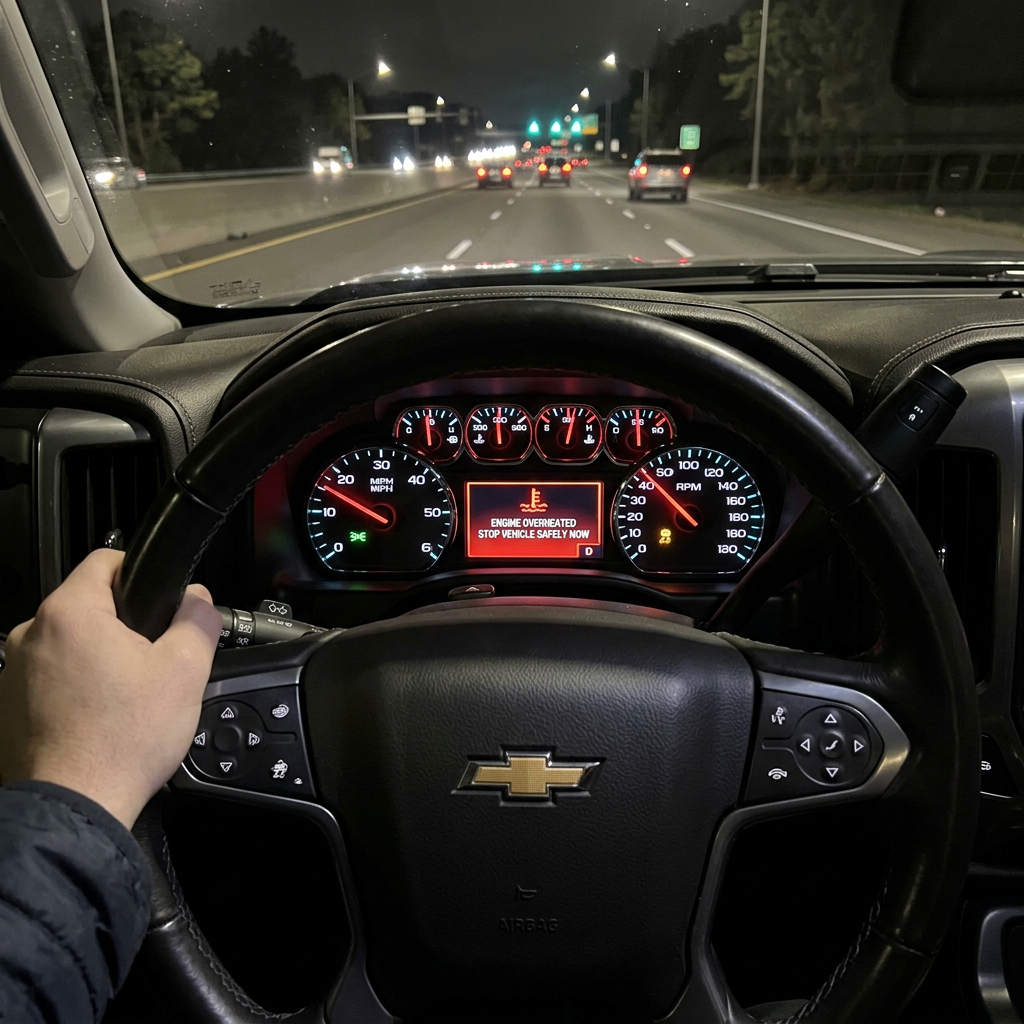
{
"altText": "A truck's dashboard at night showing a bright red warning screen that reads ENGINE OVERHEATED STOP VEHICLE SA (Representative image for illustration purposes only. Actual vehicle may vary based on trim and configuration.)

Schedule Professional Cooling System Diagnostics at Hawk Chevrolet of Joliet

Do not wait until you are stranded on the shoulder of I-55 in ninety-five-degree heat with a steaming engine and an expensive towing bill. The certified technicians at Hawk Chevrolet of Joliet are here to help you take control of your vehicle's health before the peak of summer. Our service facility utilizes specialized, factory-grade diagnostic equipment designed to pressure-test your entire cooling circuit, quickly identifying microscopic fluid leaks, weak hose connections, structural radiator weak spots, and faulty thermostat operations that standard visual inspections miss.

During your professional cooling system inspection, we will also test the chemical integrity of your coolant, check for proper radiator cooling fan engagement, inspect your water pump pulley alignment, and verify that your system is completely free of dangerous, heat-trapping air pockets. It is a comprehensive, multi-point check designed to give you total confidence during your daily commute through Will County, Naperville, and Plainfield.
The Long-Term Damage of Running an Overheated Engine

It can be incredibly tempting to try and 'push through' when your engine begins to overheat, especially when you are only a few miles away from your home or office in Joliet. However, continuing to operate an engine that has exceeded its safe operating temperature is a guaranteed recipe for catastrophic mechanical failure. The physical components of a modern internal combustion engine are engineered to incredibly tight tolerances. When subjected to extreme thermal stress, different metals (such as an aluminum cylinder head mounted to a cast-iron engine block) expand at completely different rates, leading to immediate structural distortion.

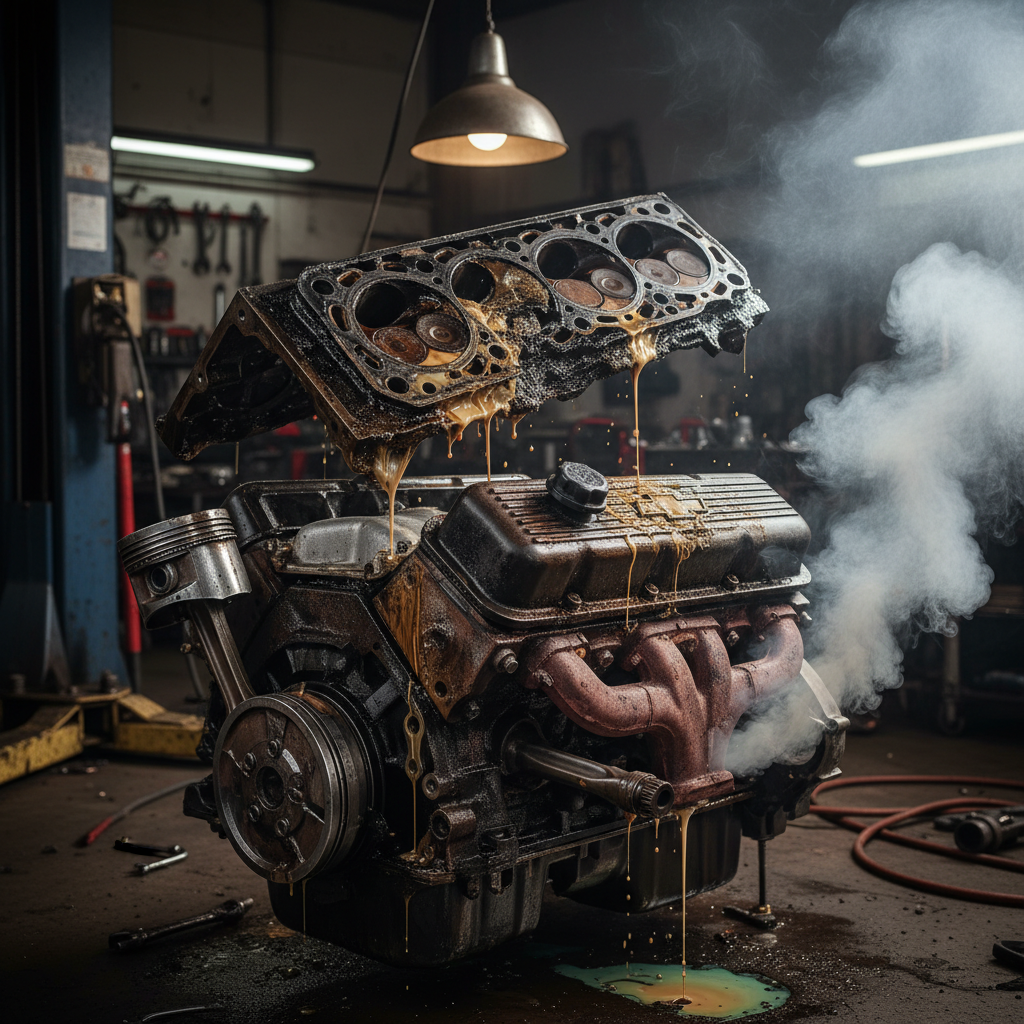
The most common victim of severe engine overheating is the head gasket. This critical seal sits between the engine block and the cylinder head, keeping combustion gases, engine oil, and liquid coolant completely isolated from one another. Extreme heat causes the cylinder head to warp, crushing the head gasket and destroying its sealing capability. Once a head gasket blows, coolant will leak directly into the combustion chambers, producing clouds of white exhaust smoke, or mix with your engine oil, creating a milky sludge that destroys your engine's bearings and internal surfaces.

An exploded, steaming V8 engine block dripping thick oil in a dark mechanic's garage. (Representative image for illustration purposes only. Actual vehicle may vary based on trim and configuration.)

In extreme cases of thermal run-away, the aluminum cylinder head itself can crack, or the intense heat can cause the pistons to expand to the point where they physically seize inside the cylinder walls, completely destroying the engine block. A replacement engine can easily cost upwards of $5,000 to $8,000. When your temperature light illuminates, pulling over safely and paying for a $150 tow is infinitely more logical than risking complete engine destruction.

Essential Summer Emergency Kit for the Will County Commuter

Fluids & Protective Gear: Every driver navigating I-55 should assemble a dedicated hot-weather emergency kit in their trunk. This kit should include a one-gallon jug of pre-diluted 50/50 coolant compatible with your vehicle, a gallon of distilled water (for extreme emergencies to flush the radiator), and a pair of heavy-duty, heat-resistant work gloves. The gloves are essential for safely handling warm components or checking fluid dipsticks without suffering burns from hot metal surfaces.

Tools & Visibility: Include a highly reliable, high-lumen flashlight or headlamp (with fresh batteries) to help you inspect your engine bay during late-evening breakdowns. You should also carry a set of roadside safety flares or reflective emergency triangles. If your vehicle breaks down on a narrow highway shoulder or near a blind curve on I-55, setting up these visual warning devices 50 to 100 feet behind your vehicle is critical for alerting fast-approaching motorists.

Personal Comfort & Power: Illinois summer heat can quickly lead to dehydration or heatstroke if you are stranded on the asphalt for an hour waiting for roadside assistance. Keep several bottles of drinking water in your trunk, along with a fully charged portable USB power bank to ensure your mobile phone never runs out of battery when you need to coordinate towing, family contact, or emergency services.

Trust Hawk Chevrolet of Joliet for Your Summer Road Trip Prep

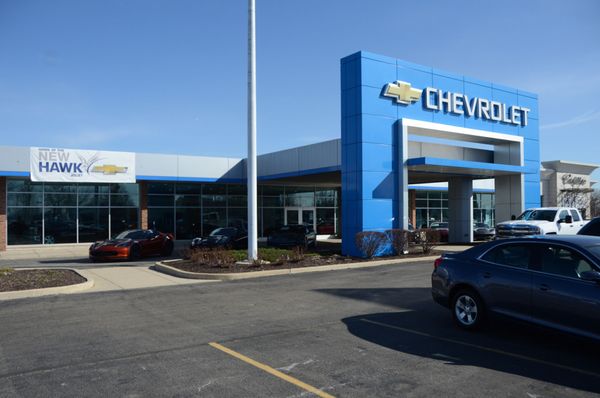
Your daily commute on I-55 shouldn't be a source of stress and uncertainty. At Hawk Chevrolet of Joliet, we are dedicated to ensuring your vehicle remains safe, reliable, and perfectly prepared to conquer the harshest summer conditions. Whether you need a simple preventative coolant flush, a comprehensive cooling system pressure test, or a complete replacement of worn-out hoses and radiators, our factory-trained, ASE-certified technicians have the specialized tools, training, and experience to get the job done right the first time.

We proudly serve drivers from across Joliet, Plainfield, Naperville, and the surrounding Will County areas with transparent pricing, exceptional guest service, and an uncompromising dedication to highway safety. If your current commuter vehicle is becoming increasingly unreliable, our friendly sales team can also help you explore our extensive selection of new Chevrolet models and high-quality pre-owned vehicles designed to make your daily drive comfortable and worry-free.

Ready to get started? Get Directions to Hawk Chevrolet of Joliet to visit our modern showroom, or Call us at (815) 472-8001 to speak directly with our service coordinators today.


Subscribe to Our Blog