


Mastering the Illinois Heat: How to Keep Your Vehicle Cool and Reliable This Summer
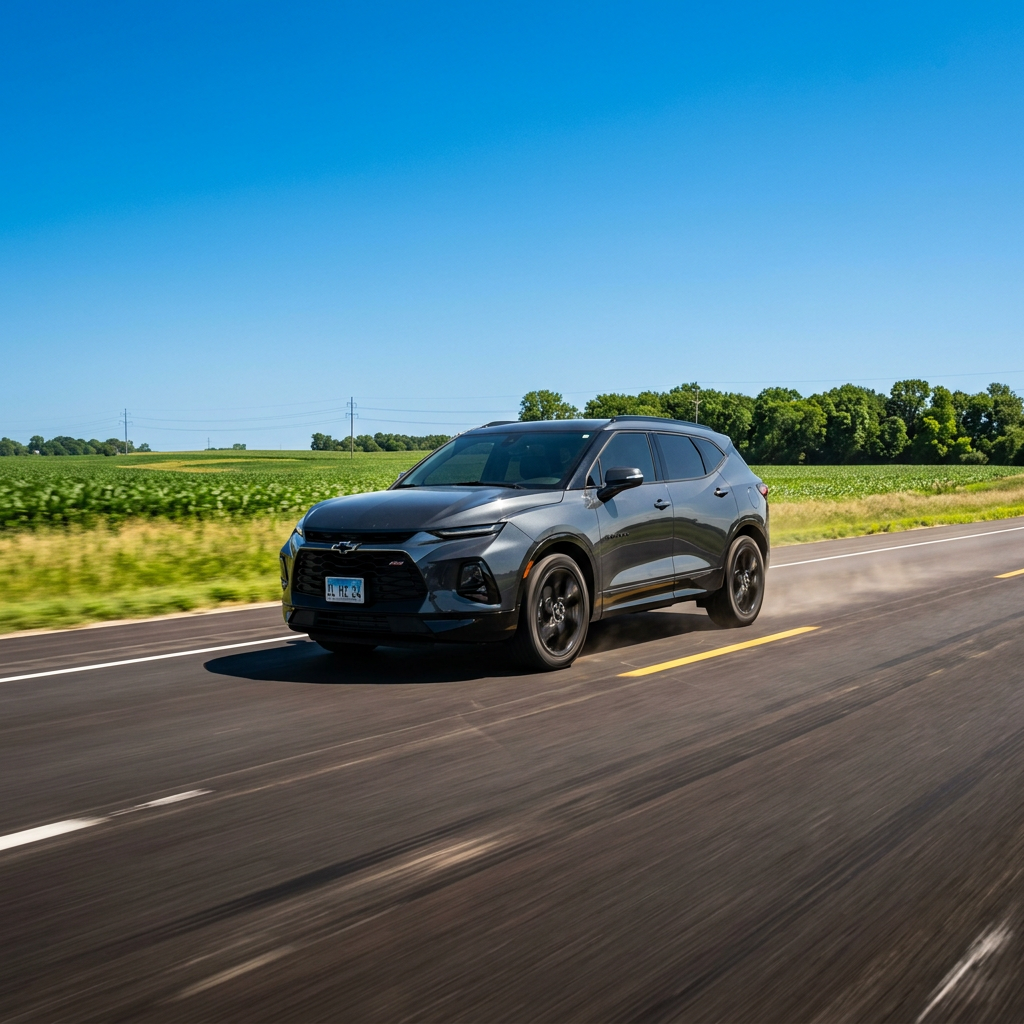
A dark grey SUV driving on an asphalt road next to a green field under a clear blue sky.

As the calendar shifts to mid-summer in Illinois, drivers across Will County and the greater Chicago metropolitan area brace themselves for a severe seasonal transformation. While we often focus our automotive preparations on the harsh, sub-zero winters that coat our region in ice and snow, the extreme heat of an Illinois summer poses an equally formidable, yet frequently underestimated, challenge to our vehicles. When the ambient temperatures climb into the mid-90s, the physical and chemical toll on your car, truck, or SUV escalates exponentially. From asphalt that radiates heat like an oven to high humidity levels that complicate your engine's cooling processes, driving through Joliet, Plainfield, or Naperville during a summer heatwave demands a proactive approach to vehicle care.

Understanding how to manage these harsh conditions not only ensures a more comfortable daily commute but also prevents costly breakdowns and protects your vehicle's long-term value. Extreme heat accelerates the degradation of critical fluids, compromises battery chemistry, and subjects tire compounds to intense stress. In this comprehensive guide, we will break down the essential strategies for keeping your cabin cool, preserving electric vehicle range, troubleshooting weak air conditioning systems, protecting your engine from catastrophic overheating, and preparing your tires for blistering highways. As a trusted pillar of the Joliet community, Hawk Chevrolet of Joliet is committed to keeping you informed, safe, and moving smoothly through every season.

Throughout this resource, you will discover actionable insights, physical concepts made simple, and practical diagnostic tips that you can perform right in your driveway. We will also highlight when it is best to seek professional intervention from factory-certified experts. Whether you are driving an internal combustion workhorse, a cutting-edge electric vehicle, or a family SUV, mastering the summer heat starts with education. Let's delve into the specific techniques and modern technologies that will transform your summer driving experience from a sweltering chore into a cool, reliable breeze.

How Do You Keep a Car Cabin Cool During the Illinois Heat in Joliet, IL?
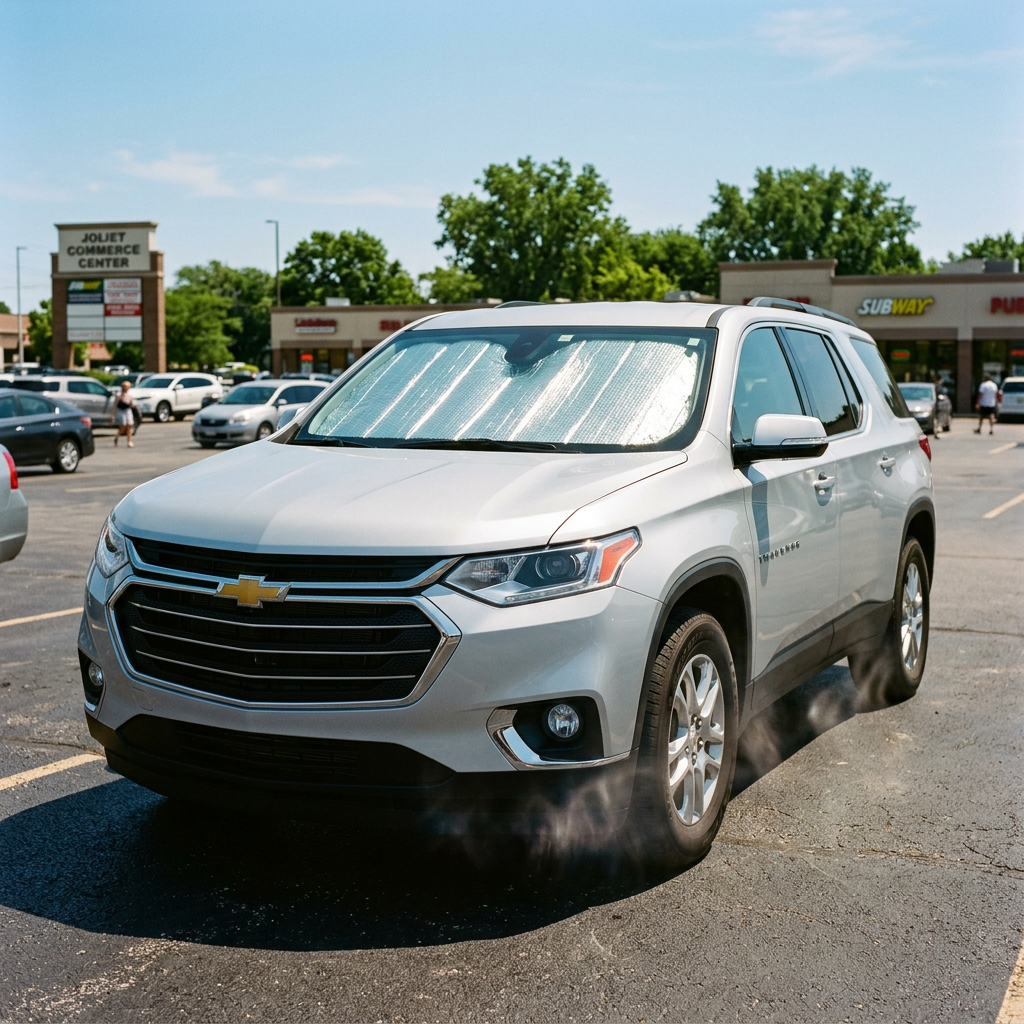
Step inside a vehicle that has sat in an open parking lot on a 90-degree afternoon in Joliet, and you will immediately experience the greenhouse effect in action. Shortwave solar radiation passes through your car's glass windows and is absorbed by dark interior surfaces like the dashboard, steering wheel, and leather upholstery. These surfaces then re-radiate this energy as longwave infrared radiation, which cannot easily escape back through the glass. The result? Within just 30 minutes, your cabin's interior temperature can spike to an astronomical 130 to 140 degrees Fahrenheit, creating an environment that is not only profoundly uncomfortable but also physically dangerous.

To mitigate this intense heat buildup, minor adjustments to your daily habits can yield substantial improvements. First, always consider your parking angle. Whenever possible, park with the rear of your vehicle facing the direct sun. Because rear windows are often smaller, more angled, or pre-tinted from the factory, this strategy reduces the direct solar energy striking your front dashboard and steering wheel. Additionally, seeking out natural shade from trees or the shadow of buildings can dramatically limit temperature spikes, even if it requires walking a few extra steps across the parking lot.

Silver Chevrolet Traverse SUV parked in a sunny strip mall parking lot with a reflective sunshade in the windshield.

Investing in a high-quality, custom-fit reflective sunshade is one of the most cost-effective defensive measures available. Unlike generic, floppy shades, a premium custom-fit shade seals tightly against your windshield's edges, reflecting up to 95% of incoming thermal energy before it can penetrate your interior. Safely cracking your side windows by a fraction of an inch—no more than a finger's width—can also promote natural convective airflow, allowing hot air to escape and reducing peak temperatures by up to 10 degrees. Furthermore, if your vehicle is equipped with modern remote pre-conditioning or remote start capabilities, you can leverage these features via your smartphone to initiate cabin cooling five to ten minutes before you step outside, ensuring a refreshing welcome.

Is Investing in Ceramic Window Tint Worth the Extra Cost Compared to Standard Dyed Tint for Heat Rejection?

When exploring long-term physical modifications to enhance thermal comfort, window tint is a highly popular solution. However, not all window films are created equal. Standard dyed window tint is primarily aesthetic; it darkens the glass by utilizing a layer of dye that absorbs visible light. While it provides excellent privacy and a sleek, custom appearance, dyed tint actually absorbs heat and holds it on the glass surface, eventually radiating a significant portion of that heat directly into your cabin. Over time, exposure to intense UV rays causes standard dyed film to degrade, turn purple, and bubble, drastically reducing its aesthetic and functional value.

In contrast, advanced ceramic window tint represents a quantum leap in material science and thermal performance. Ceramic films are infused with microscopic, non-conductive ceramic nanoparticles that are specifically engineered to block invisible infrared (IR) radiation—the primary component of solar energy that we feel as heat. While standard tint might reject only 10% to 20% of infrared heat, a premium ceramic tint can reject up to 80% to 95% of IR rays, regardless of how dark or light the shade is. This means you can achieve outstanding thermal performance even with a virtually transparent ceramic film, maintaining exceptional night-time visibility while enjoying a vastly cooler interior.

Beyond superior heat rejection, ceramic window tint offers comprehensive UV protection, blocking up to 99% of harmful ultraviolet rays. This is critical for preventing your dashboard from cracking, preserving the rich color of your leather seats, and protecting your skin during long summer road trips. Furthermore, because ceramic nanoparticles do not contain metallic elements, they will never interfere with your vehicle's electronic signals, ensuring seamless operation of your GPS, cellular connection, radio, and keyless entry systems. It is highly durable, resisting bubbling and fading for years.

Before proceeding with tint installation, it is crucial to remain mindful of local Illinois window tint regulations. Current statutes permit up to 35% visible light transmission (VLT) on all side windows and the rear windshield for passenger cars, while multi-purpose passenger vehicles (such as SUVs and trucks) may have darker tint on the rear windows but must adhere to 35% VLT on the front side windows. For a professional consultation on compatible accessories and options, you canOrder Genuine Chevrolet Partsor speak directly with our specialized parts and accessories department in Joliet to learn about premium interior preservation accessories.

How Much Range Loss Can an EV Experience When Running the AC in 95-Degree Heat?

Electric vehicles (EVs) are highly revered for their efficiency, but extreme ambient temperatures introduce distinct variables that can impact driving range. While winter heating is well-known for reducing battery efficiency, running the cabin's air conditioning on a scorching 95-degree afternoon in Plainfield or Naperville also demands significant energy. Depending on the vehicle's design, driving speed, and cabin settings, running the AC at maximum capacity in extreme heat can result in a range loss of approximately 15% to 17%. The majority of this energy draw stems from the high-voltage electric scroll compressor that powers the air conditioning system.

Simultaneously, the vehicle's active thermal management system must work diligently to keep the high-voltage lithium-ion battery pack within its optimal operating temperature range (typically 60°F to 95°F). When external temperatures exceed this threshold, the EV must route additional electrical energy to run liquid-coolant pumps and radiator fans specifically dedicated to cooling the battery cells. This dual demand—cooling the human passengers and cooling the physical battery—increases the overall auxiliary power draw, which directly reduces the amount of stored energy available for forward propulsion.

Fortunately, optimizing your EV's summer performance is straightforward. The most effective strategy is to pre-cool your cabin while the vehicle is still plugged into your home charger. This utilizes grid power rather than battery power to bring the cabin down to a comfortable temperature, leaving your battery at 100% capacity when you depart. Additionally, using 'driver-only' climate modes when traveling alone, parking in shaded areas, and maintaining moderate cabin temperature targets (such as 72°F instead of 65°F) will drastically lower energy consumption, preserving your range for the open road.

To experience the latest in advanced, highly efficient electric vehicle technology—including state-of-the-art thermal management systems that maximize driving range in all climates—we invite you to explore our current offerings. You can easilyBrowse New Inventoryonline to find a model that perfectly matches your lifestyle.

What Causes Weak AC Performance in Hot Weather?
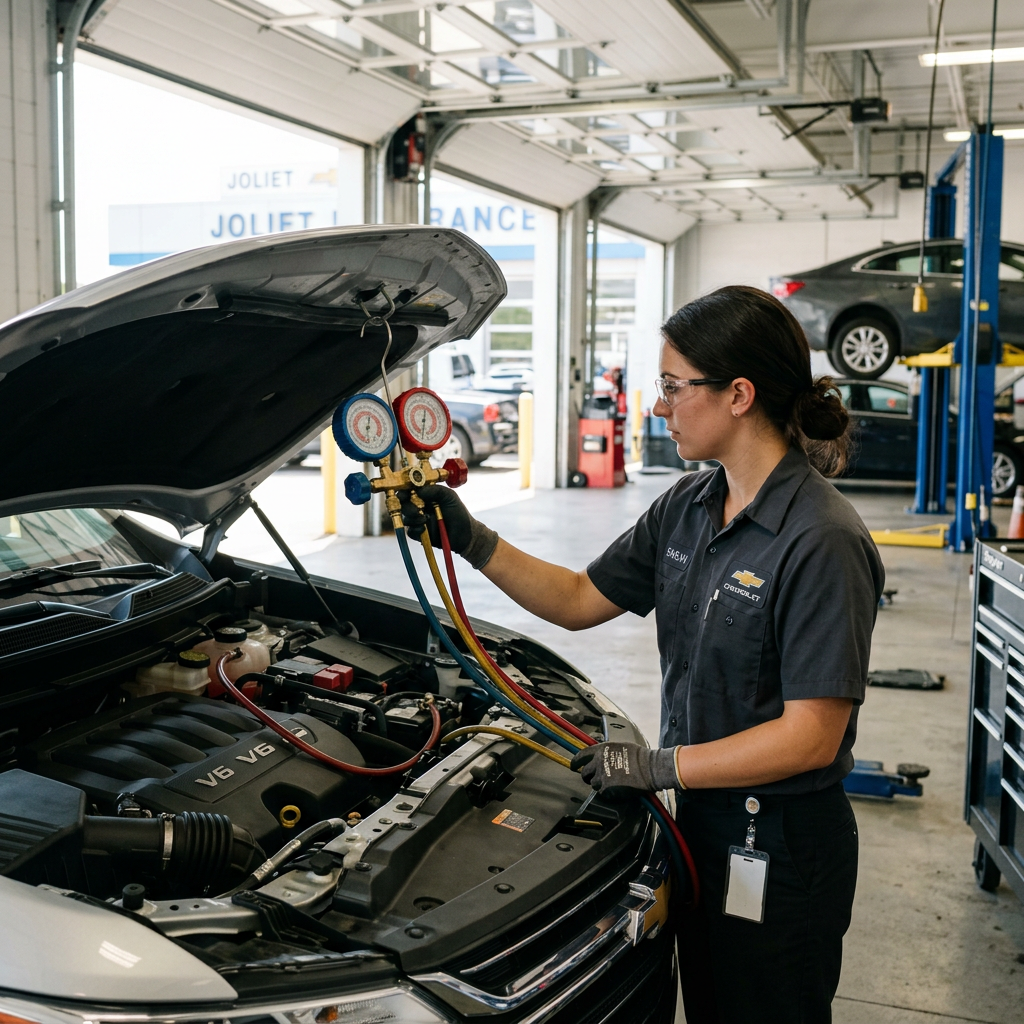
There is nothing more frustrating than turning on your vehicle's air conditioning on a sweltering July afternoon only to be greeted by a lukewarm breeze. A vehicle's climate control system is a complex, closed-loop thermodynamic cycle consisting of an AC compressor, condenser, expansion valve, and evaporator. For this system to blow crisp, cold air, every component must operate in perfect harmony. If your AC performance feels weak or warm under the intense pressure of a hot afternoon, several common culprits could be at play.

One of the simplest yet most frequently overlooked issues is a clogged cabin air filter. Over months of driving, this filter accumulates dust, pollen, leaves, and highway debris. When it becomes completely saturated, it severely restricts the volume of air flowing across your AC system's cold evaporator core. While the system may technically be cooling, the restricted airflow prevents that cold air from effectively circulating into the cabin. This forces your blower motor to work harder, accelerating wear and making the entire cabin feel warm and stagnant.

Female mechanic using AC manifold gauges to service the engine of a car inside a Chevrolet service center.

More complex issues involve low refrigerant levels. The refrigerant (commonly R-134a or the newer R-1234yf) is the thermodynamic medium that transfers heat out of your cabin. Even microscopic leaks in rubber hoses or metal fittings can slowly deplete refrigerant over time, dropping the system pressure below the threshold required to cycle the compressor clutch. Furthermore, a failing AC compressor or a condenser blocked by accumulated road grime and insects will struggle to dissipate heat, resulting in poor cooling performance. Recognizing these symptoms early allows you to address minor leaks before they lead to complete compressor failure.

How Do You Safely Manage and Protect Your Vehicle's Engine from Overheating During a Severe Heatwave?

Driving at high speeds on local major highways like Interstate 80 or Interstate 55 puts a tremendous mechanical workload on your vehicle's engine. When external temperatures hover in the mid-to-high 90s, your engine's cooling loop must function at maximum efficiency to shed heat and prevent catastrophic internal damage. The cooling system relies on a continuous flow of liquid coolant (a precise 50/50 mix of ethylene glycol and distilled water) circulating through the engine block, absorbing intense combustion heat, and passing through the radiator where incoming air cools it down. If any part of this closed loop fails, internal engine temperatures can spike, risking blown head gaskets, cracked cylinder heads, and warped engine components.

To prevent these severe issues, it is essential to monitor your dashboard's temperature gauge or warning lights diligently, especially when idling in heavy traffic or climbing steep highway inclines. A healthy engine's temperature gauge should sit steadily near the center. If you notice the needle climbing towards the red 'H' indicator, or if a warning light illuminates, you must act quickly. Your first immediate step should be to turn off your air conditioning to reduce engine load, and turn your cabin heater to maximum heat and blower speed. While this may sound counterintuitive and highly uncomfortable on a hot day, the heater core acts as a secondary miniature radiator, drawing excess thermal energy away from the engine block and blowing it into the cabin, which can buy you critical minutes to pull over safely.

If the temperature continues to rise, safely pull off the highway, park in a secure area, and turn off the engine immediately. Never, under any circumstances, attempt to open the radiator cap or the coolant expansion tank while the engine is hot. The cooling system is highly pressurized, and opening a hot cap will cause boiling coolant and steam to spray out violently, posing a severe risk of deep thermal burns. Instead, raise the hood from inside the cabin to let the trapped heat dissipate, and wait at least 30 to 45 minutes for the engine to cool completely before inspecting fluid levels or calling for professional roadside assistance.

Summer Battery Care: Why Extreme Heat is Worse Than Illinois Winters
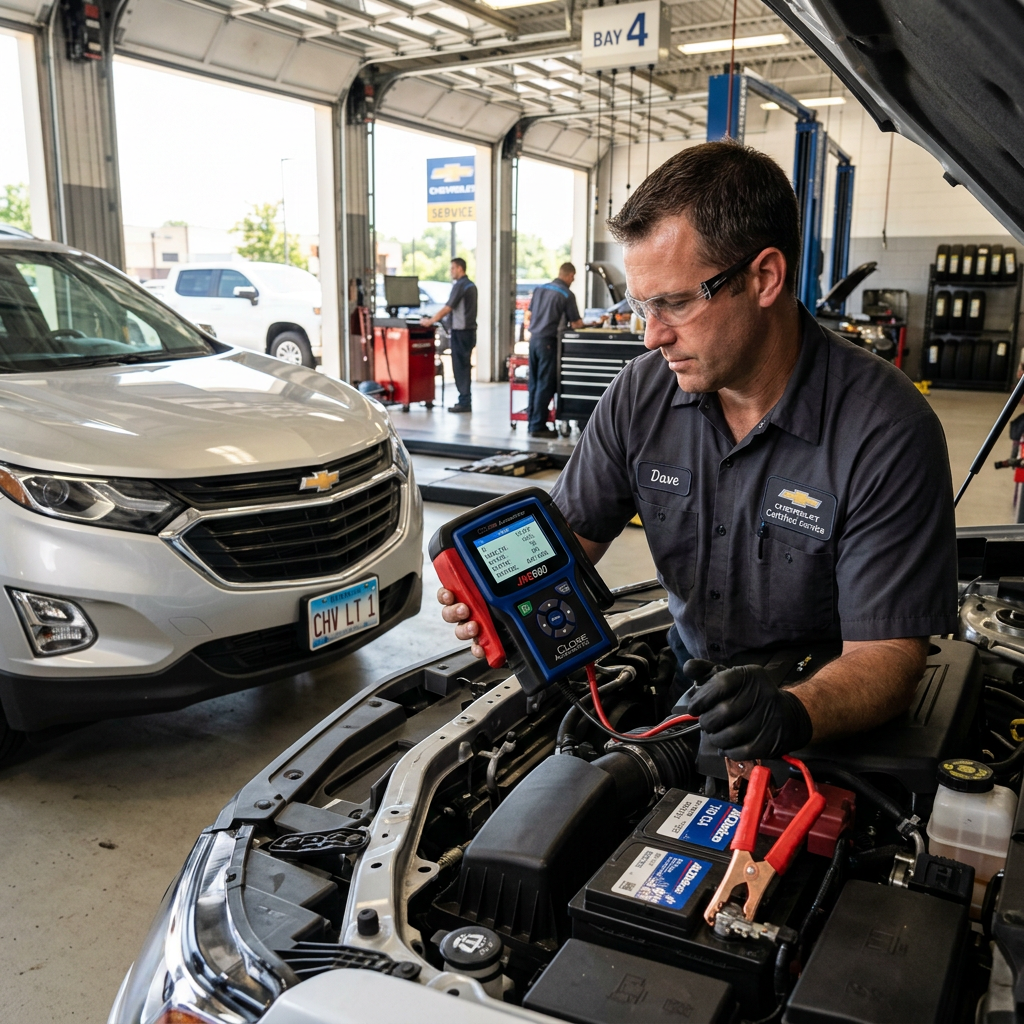
It is a highly common automotive myth among Northern and Midwestern drivers that winter is the sole killer of car batteries. While sub-zero winter temperatures certainly make it difficult for a cold battery to turn over a frozen engine, winter merely exposes the damage that was already quietly inflicted during the previous summer. In reality, extreme summer heat is the true, silent destroyer of traditional lead-acid car batteries. Under-hood temperatures can easily soar past 140 degrees Fahrenheit on a hot day, creating a highly hostile environment for the complex electrochemical processes occurring inside your battery.

This intense heat accelerates two highly destructive processes: internal plate corrosion and electrolyte fluid evaporation. High temperatures speed up the chemical reactions inside the battery, leading to rapid corrosion of the internal lead plates and grid structures. Concurrently, the liquid electrolyte solution (a mix of sulfuric acid and water) inside the battery cells begins to evaporate, lowering the fluid levels and exposing the internal plates to air. This permanently reduces the battery's overall electrical capacity and severely limits its ability to hold a charge, setting the stage for a sudden, unexpected failure.

A technician named Dave in a Chevrolet uniform tests a car battery using a handheld diagnostic tool in a service bay.

To prevent being stranded on a sweltering afternoon, keep an eye out for signs of a weakening battery. These include a noticeably slower engine crank when starting, dimming headlights at idle, or a powdery white or blue buildup of corrosion around the battery terminals. Having your battery professionally load-tested before the peak of summer is a highly recommended preventative measure. A quick test determines if your battery still possesses the cold cranking amps (CCA) required to reliable power your vehicle, giving you the opportunity to replace a failing unit on your own terms before it fails entirely.

What Features Matter Most on a Test Drive in Hot Weather?

If you are currently shopping for a new or high-quality pre-owned vehicle in the Naperville or Joliet area, taking a test drive on a hot summer day presents a unique opportunity to evaluate a vehicle's comfort systems under real-world pressure. Beyond the traditional performance metrics like acceleration and handling, you should pay close attention to specific features that directly influence your daily comfort during peak summer temperatures.

First, test the speed and effectiveness of the climate control system. Pay attention to how quickly the cabin cools down after the vehicle has sat in the sun. Look for multi-zone automatic climate control, which allows the driver and passengers to set individual comfort zones. Also, verify the presence of dedicated rear passenger air vents, which are critical for keeping family members in the back seats cool and preventing stagnant airflow.

Additionally, evaluate premium features like ventilated or cooled seats, which use integrated fans to pull heat away from your body, preventing that sticky, uncomfortable feeling. Check for solar-attenuating glass, which reflects heat-producing rays, and remote start capabilities that let you pre-cool the car from your home or office. If you are looking to upgrade your driving experience with these excellent features, we invite you toBrowse Used Inventoryto find a well-equipped model today.

Essential Hot-Weather Tire Safety: Preventing Blowouts on Hot Asphalt
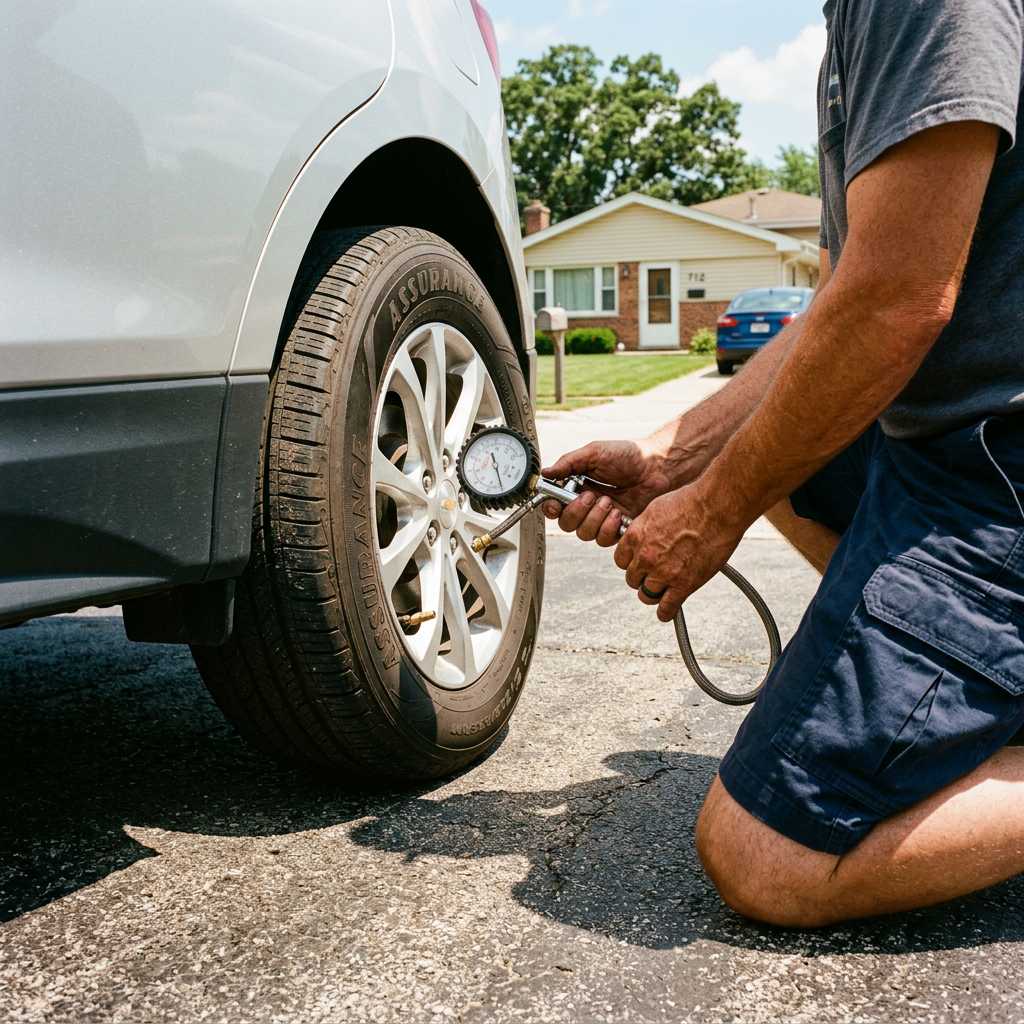
As your vehicle cruises along the highway, your tires are the only physical point of contact with the road. On a 95-degree summer afternoon in Illinois, the asphalt surface temperature can easily climb past 140 degrees Fahrenheit. This intense surface heat, combined with the internal friction generated by high-speed driving, subjects your tires to extreme thermal and physical stress. Understanding how temperature changes affect tire physics is critical for preventing dangerous highway blowouts.

Tire pressure fluctuates directly with ambient temperature changes. According to the laws of thermodynamics, air pressure increases by approximately 1 to 2 pounds per square inch (PSI) for every 10-degree rise in temperature. While this might lead you to believe that over-inflation is the primary danger in summer, under-inflation is actually the far more common cause of heat-induced blowouts. When a tire is under-inflated, its sidewalls flex excessively under load. This continuous, rapid flexing generates immense internal friction and heat, eventually causing the internal rubber and fabric bonds to break down and fail catastrophically.

A man kneeling on a driveway, checking the tire pressure of a white SUV with a manual gauge.

To maintain optimal tire safety, always check your tire pressure when the tires are 'cold'—meaning the vehicle has been parked for at least three hours and has not been driven in direct sunlight. Always inflate your tires according to the manufacturer's recommended PSI listed on the driver's side door jamb placard, rather than the maximum pressure listed on the tire's sidewall. Additionally, inspect your tire tread depth and check for any visible signs of damage, such as sidewall bulges, cracks, or embedded debris, which could weaken the tire structure and increase blowout risks.

The Ultimate Summer Road Trip Checklist for Will County Drivers

1. Fluid Levels & Chemistry
Before departing on any long summer road trip out of Joliet or Plainfield, performing a thorough fluid inspection is vital. Ensure your engine coolant is at the proper level and possesses the correct chemical mixture to prevent boiling. Check your engine oil, transmission fluid, brake fluid, and power steering fluid. Under extreme heat, these fluids degrade more quickly and lose their lubricating and hydraulic properties, making clean, fresh fluids essential for protection.

2. Wiper Blades & Hoses
The intense UV radiation of an Illinois summer can quickly bake the rubber elements on your vehicle. Inspect your front windshield wiper blades for cracking, tearing, or dry rot. A sudden summer thunderstorm can bring blinding downpours, making high-quality wiper blades critical for visibility. Additionally, inspect engine hoses and drive belts. Look for soft spots, swelling, or cracks that could lead to a sudden coolant leak or belt failure on the highway.

3. Summer Emergency Kit
Even with meticulous preparation, unexpected roadside emergencies can still happen. Always pack a dedicated summer emergency kit. This should include several bottles of potable water to prevent dehydration, electrolyte packets, non-perishable snacks, a high-quality tire pressure gauge, heavy-duty jumper cables, a portable jump starter, a flashlight, and a backup charger for your phone. Having these essentials on hand provides immense peace of mind.

Get Summer-Ready with Certified Service at Hawk Chevrolet of Joliet

While basic visual inspections can easily be done in your driveway, specialized mechanical systems demand professional-grade diagnostics and training. Our factory-trained, ASE-certified technicians at Hawk Chevrolet of Joliet possess deep, model-specific knowledge and use cutting-edge diagnostic equipment to ensure your vehicle is fully prepared to handle the peak of summer. From performing precise AC system refrigerant recovery and recharge services to conducting detailed coolant flushes that restore your cooling loop's thermodynamic efficiency, we cover all your summer maintenance needs.

Our comprehensive seasonal inspections also include digital battery health testing, precise tire tread and pressure checks, brake pad inspections, and multi-point safety evaluations. We use only original equipment manufacturer (OEM) parts, ensuring that any replacement component matches your vehicle's exact specifications for optimal performance and long-term durability.

By staying ahead of potential mechanical issues, you can avoid the stress, inconvenience, and high costs of roadside breakdowns. Let our expert service team handle the hard work so you can drive with absolute confidence through every heatwave. Additionally, if you are considering trading in your current vehicle for a newer, more summer-ready model, you can quicklyValue Your Tradeonline to see how much equity you can apply toward an upgrade.

Do not wait for a hot afternoon to test your vehicle's limits. Ensure your vehicle remains a cool, comfortable, and reliable sanctuary by securing a convenient service reservation with our team. You can easilySchedule Your Service Todayonline to fit your busy schedule.

Beat the Heat with Hawk Chevrolet of Joliet: Visit Us Today

Mastering the intense Illinois summer heat is all about taking proactive steps, making minor adjustments to your daily habits, and trusting certified experts when your vehicle needs professional care. From using custom-fit reflective sunshades to choosing premium ceramic window tint and keeping your cooling system fully charged, you have the power to keep your vehicle cool and reliable all summer long. At Hawk Chevrolet of Joliet, we are incredibly proud to serve as your go-to automotive partner, providing elite service, a premium inventory, and expert advice to the Will County community.

Whether you are looking to purchase a new or pre-owned vehicle, schedule a seasonal maintenance check, or explore genuine parts and accessories, our team is here to assist. You can get started on your next vehicle purchase from the comfort of your home andGet Pre-Approved for Financingonline in just a few simple steps. We are conveniently located at 2001 W Jefferson St, Joliet, IL 60435, making us an easy drive for customers throughout the local area.

If you have any questions, need to schedule an immediate inspection, or would like to discuss current summer specials, pleaseCall us at (815) 472-8001orGet Directions to Hawk Chevrolet of Jolietto plan your visit. Our warm, knowledgeable staff is dedicated to ensuring you enjoy a cool, reliable, and absolutely stellar summer driving experience.


Subscribe to Our Blog