Can Bad Wheel Alignment Cause Steering Wheel Vibration? Here Is the Direct Answer
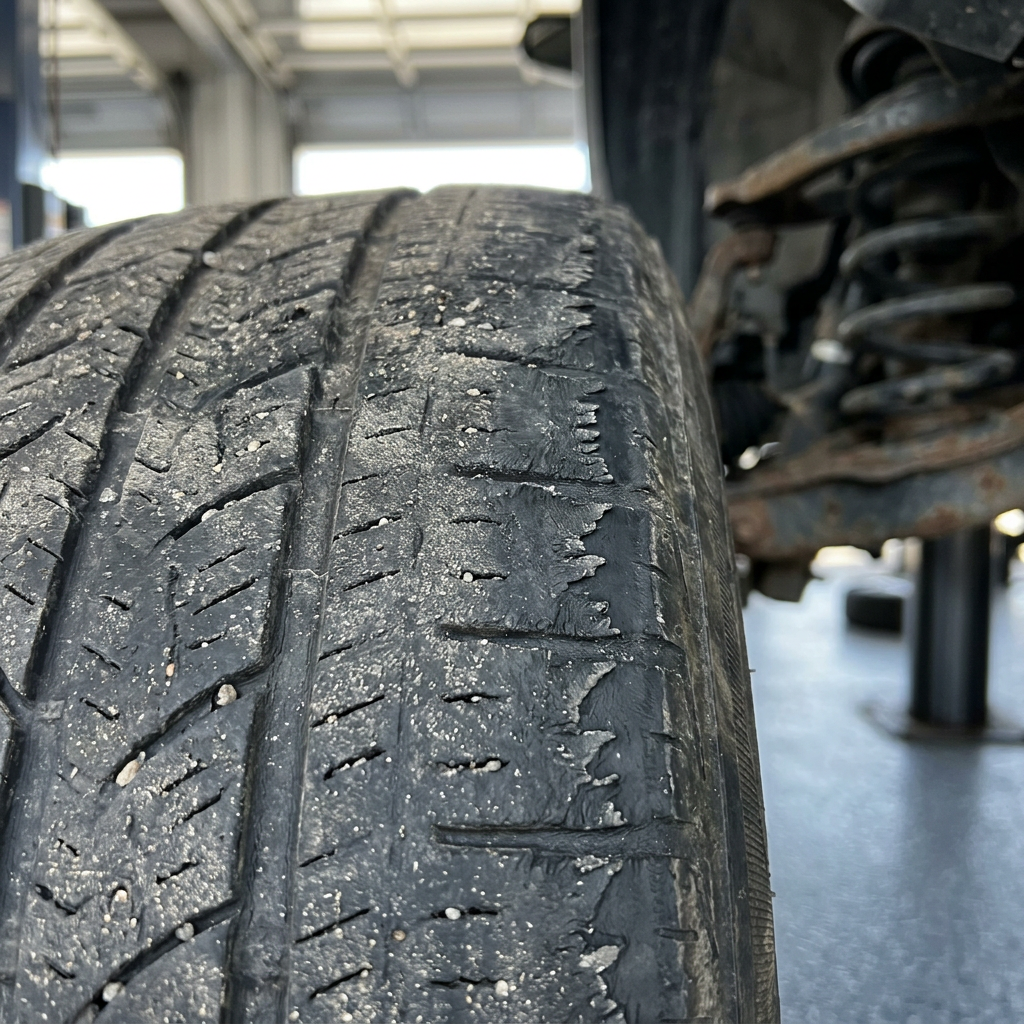
The direct answer is yes, bad wheel alignment can cause steering wheel vibration, but it is usually a secondary symptom rather than the immediate cause. Primary alignment misalignments typically manifest as vehicle pulling to one side, uneven tire tread wear, or a crooked steering wheel when driving straight. However, when improper alignment angles remain uncorrected, the tire is forced to drag along the pavement at unnatural angles. This improper friction generates secondary tread damage known as tire cupping or scalloping. Once this irregular wear pattern develops across the tire tread, the uneven surface contacts the road surface rhythmically at higher speeds, creating noticeable vibration in your steering wheel and cabin.
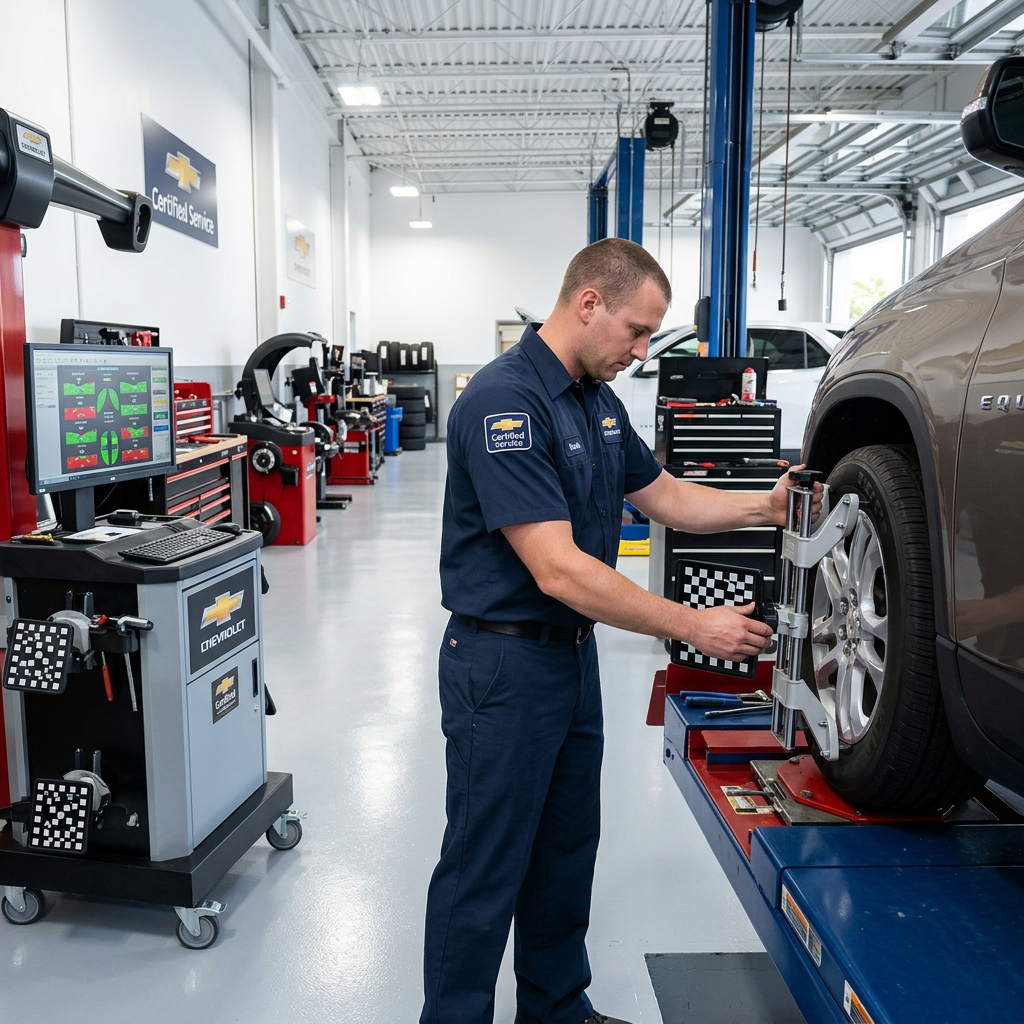
Understanding the subtle differences between wheel alignment issues, tire balancing problems, and mechanical suspension play can save Joliet drivers hundreds of dollars in unnecessary parts replacement. At Hawk Chevrolet of Joliet, our factory-certified Chevrolet technicians utilize advanced computerized laser alignment systems to pinpoint whether your steering vibration stems from misaligned alignment geometry, out-of-balance assemblies, or compromised front-end components. By addressing alignment discrepancies early, you protect your tire investment and maintain maximum control on Chicagoland highways.
What Is the Difference Between Wheel Alignment Symptoms and Tire Balancing Symptoms?
Wheel Alignment Symptoms
Wheel alignment refers to the precise angle adjustment of your vehicle's suspension components—specifically camber, caster, and toe angles—relative to the chassis and road. Key signs of misaligned alignment include: • Vehicle Drifting or Pulling: The car actively pulls to the left or right when relaxing grip on the steering wheel on a level road. • Crooked Steering Wheel: The steering wheel logo remains rotated off-center while driving completely straight. • Uneven Wear Patterns: Edge wear, feathering, or inner shoulder scrub along the tire tread blocks. • Squealing Tires: Low-speed tire squeal while turning or navigating parking garages.
Tire Balancing Symptoms
Tire wheel balancing ensures weight is distributed evenly around the tire and wheel assembly circumference. Key indications of unbalanced assemblies include: • Rhythmic Speed-Sensitive Shakes: Persistent steering wheel oscillation that begins between 55 mph and 70 mph. • Seat or Floorboard Buzzing: Out-of-balance rear tires transmit rhythmic vibrations directly into vehicle seats or footwells. • Patchy Tread Spots: Flat spots or isolated heavy wear sections scattered randomly around the tire circumference. • Suspension Fatigue: Accelerating wear on shocks, struts, and wheel bearings due to constant dynamic force imbalance.
What Are the Clearest Signs That a Vehicle May Need a Wheel Alignment?
1. Vehicle Pulling & Drift
When camber or caster angles drift out of factory specs, your vehicle struggles to maintain a straight line. You will feel constant feedback tension, requiring manual steering corrections even on smoothly paved multi-lane highways.
2. Off-Center Steering Wheel
If your steering wheel remains tilted at an angle while traveling straight down Jefferson Street, your tie rods and toe alignment require calibration. A misaligned wheel angle disrupts electron steering control sensors.
3. Rapid Tread Wear & Squeal
Incorrect toe angles force tires to scrub horizontally across road asphalt. This scrubbing produces low-speed tire squealing on concrete surfaces alongside noticeable tread feathering along inner or outer tire edges.
How Misalignment Leads to Steering Wheel Shakes and Tire Cupping
The Mechanical Chain Reaction
When alignment parameters drift out of specification, the mechanical relationship between suspension steering knuckles, tie rods, and strut mounts becomes asymmetrical. Toe misalignment causes tires to point slightly inward or outward relative to the center axis, forcing the rubber to scrub against the highway surface rather than rolling freely. As continuous friction strips away tire rubber unequally, shallow dips and scalloped valleys form across individual tread blocks. This phenomenon is technically known as tire cupping.
From Cupping to Steering Vibration
Once cupping takes hold, your tire is no longer perfectly round. As cupped tread pockets repeatedly hit the pavement at highway velocities, the uneven force creates dynamic instability. This harmonic pulse travels upwards through the wheel hub assembly, lower control arms, tie rod ends, steering rack, and steering column, culminating in a continuous vibration in your hands. Restoring proper alignment stops further uneven wear progression, though severe cupping may necessitate replacement.
How Do You Use the Penny Test to Check Tire Wear Patterns?
Step-by-Step Penny Test Guide
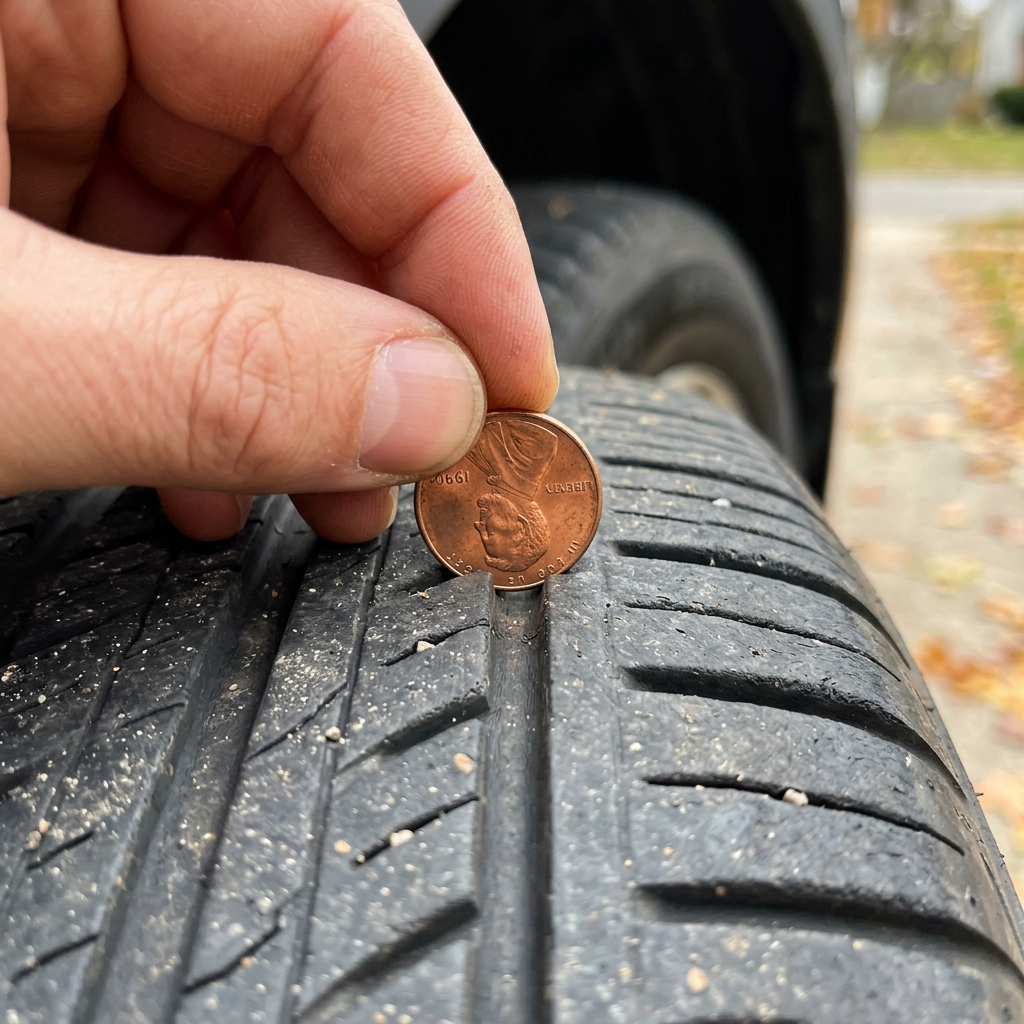
Performing a quick inspection with a standard U.S. penny helps detect abnormal alignment wear before vibration sets in: 1. Position the Penny: Insert a penny into your tire's tread groove with Abraham Lincoln's head upside down and facing you. 2. Inspect Tread Depth: If Lincoln's entire head is visible, your tread depth has worn below 2/32 inches, requiring immediate replacement. 3. Compare Multi-Zone Angles: Check the inner edge, center tread, and outer shoulder. If Lincoln's head is hidden on the inside edge but fully exposed on the outer edge, your vehicle suffers from excessive camber or toe misalignment. 4. Identify Cupping Dips: Run your hand along the circumference of the tread. If you feel high and low ridges (like a wave pattern), your tires are experiencing cupping from misalignment or worn struts.
Do Front-Wheel Drive Cars Need a 4-Wheel Alignment?
Independent Rear Suspension
Modern Front-Wheel Drive (FWD) cars, crossovers, and SUVs feature independent rear suspensions with adjustable camber and toe bolts. Misaligned rear wheels drag sideways, causing tracking issues and severe rear tire wear.
Thrust Angle Consistency
A 4-wheel alignment establishes correct thrust angle alignment, ensuring front and rear axles travel perpendicular to the vehicle center line. Incorrect thrust angles force driver steering wheel offset even on straight paths.
Enhanced Handling Safety
Proper 4-wheel geometry optimizes emergency evasive maneuvering, braking stability, and all-weather traction across wet or snowy Northern Illinois roadways during winter driving conditions.
Should You Always Get an Alignment When Buying New Tires?
Installing a new set of tires without verifying wheel alignment is one of the most expensive mistakes a vehicle owner can make. New tires represent a significant financial investment, designed to deliver 50,000 to 80,000 miles of smooth performance. However, if your vehicle’s alignment geometry is off by even fractions of a degree, that fresh rubber can suffer permanent structural tread wear within just a few thousand miles.
Furthermore, many major tire manufacturers explicitly state in their warranty terms that premature wear resulting from uncorrected mechanical alignment errors is not covered under treadwear mileage warranties. Aligning your wheels at the time of installation ensures maximum footprint contact, optimal fuel efficiency, predictable handling response, and complete warranty protection. Learn more about tire maintenance and Order Genuine Chevrolet Parts through our dedicated service department.
What Factors Increase the Overall Cost of a Wheel Alignment?
Advanced Technology & ADAS Sensor Calibration
Modern vehicles equipped with Advanced Driver Assistance Systems (ADAS)—such as Lane Keep Assist, Automatic Emergency Braking, and Adaptive Cruise Control—require safety sensor recalibration whenever alignment angles are modified. Because steering angle sensors (SAS) must sync perfectly with front radar cameras, resetting ADAS system calibration adds specialized technician labor time.
Suspension Condition & Hardware Rust
In Midwest climates like Joliet and Will County, road salt and moisture frequently cause tie rod lock nuts, camber eccentric bolts, and suspension hardware to seize or rust solid. Extracting or replacing frozen hardware requires added shop time. Additionally, aftermarket lift kits or lowered suspensions require specialized custom alignment parameters beyond standard factory baseline specs.
How Road Conditions in Joliet, Plainfield, and Naperville Affect Alignment
I-80 & Route 59 Heavy Commute Impact
Daily commuting along busy corridors like I-80, I-55, and Route 59 subjects suspension assemblies to heavy vibration and asphalt expansion joints, gradually shifting precision alignment settings out of factory tolerance over time.
Freeze-Thaw Pothole Hazards
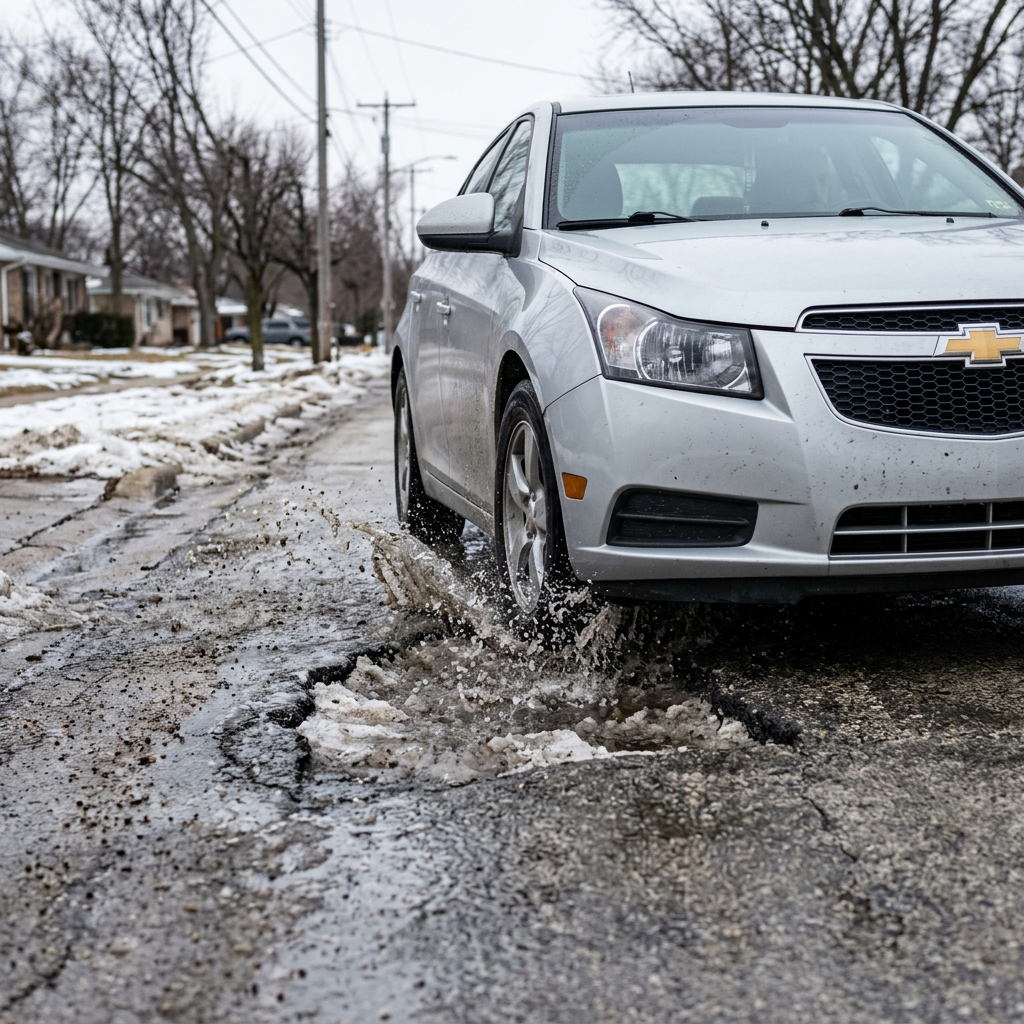
Northern Illinois winter freeze-thaw cycles create deep potholes across Plainfield and Naperville thoroughfares. Striking a single deep crater at speed can bend control arms, distort tie rods, or immediately knock toe angles out of spec.
Suburban Curb & Construction Knocks
Navigating narrow suburban parkways, parking lot curbs, and ongoing road construction zones around Joliet frequently causes subtle side impacts that push wheel alignment angles past safe operating thresholds.
Simple Checklist: Is It Alignment, Balance, Suspension, or Brakes?
|
Symptom Pattern
|
Likely Primary Cause
|
Recommended Action
|
|
Shaking in steering wheel only at 55–70 mph
|
Tire Wheel Imbalance
|
High-speed wheel balancing
|
|
Car pulls left/right with off-center wheel
|
Wheel Misalignment
|
Computerized 4-wheel alignment
|
|
Vibration specifically when pressing brake pedal
|
Warped Brake Rotors
|
Brake rotor resurfacing / replacement
|
|
Vibration combined with choppy cupped tires
|
Alignment & Strut Wear
|
4-wheel alignment + shock inspection
|
|
Clunking noise over bumps with wandering steering
|
Loose Suspension Joints
|
Tie rod / ball joint replacement
|
If you are unsure which mechanical issue is affecting your vehicle, stop by our certified service department located at 2001 W Jefferson St in Joliet. You can easily Get Directions to Hawk Chevrolet of Joliet to have our technicians perform a complete multi-point inspection.
What to Expect During a Professional Wheel Alignment Service
The Computerized Laser Alignment Process
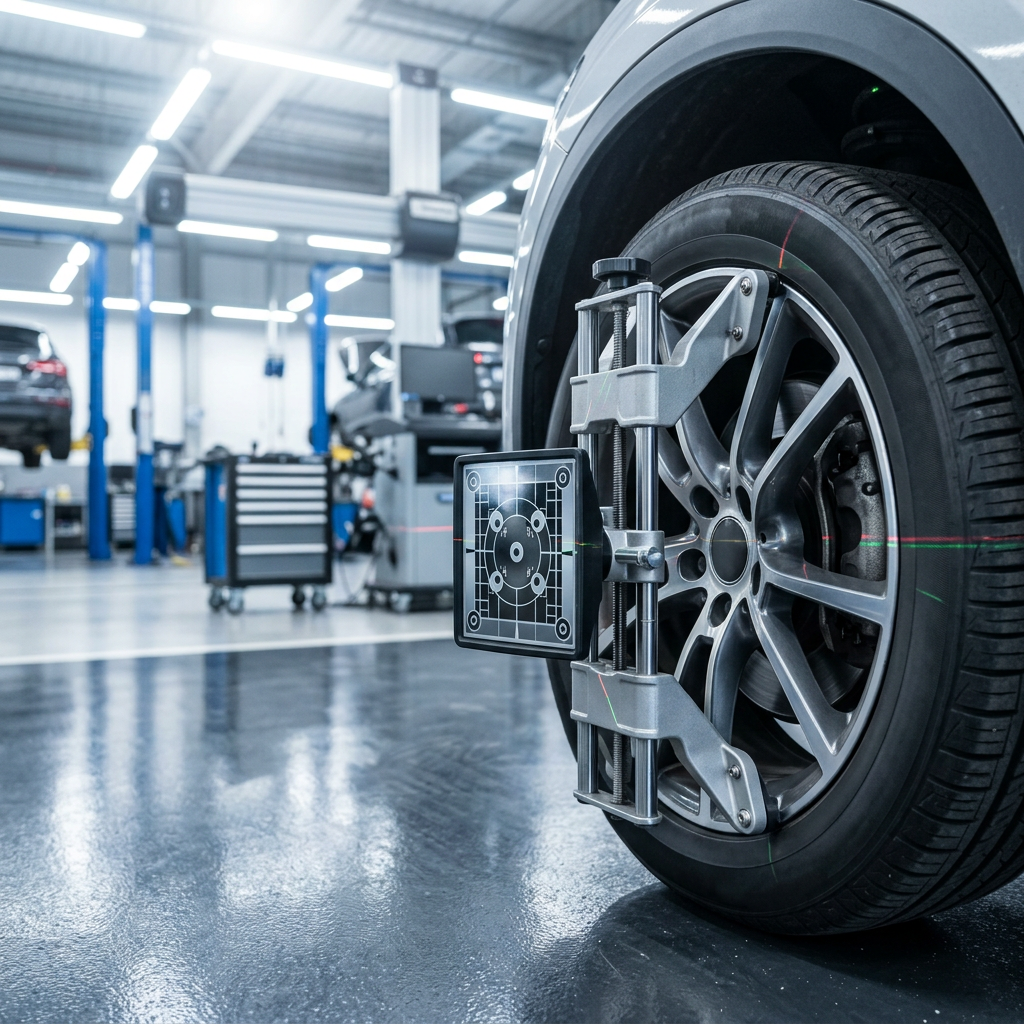
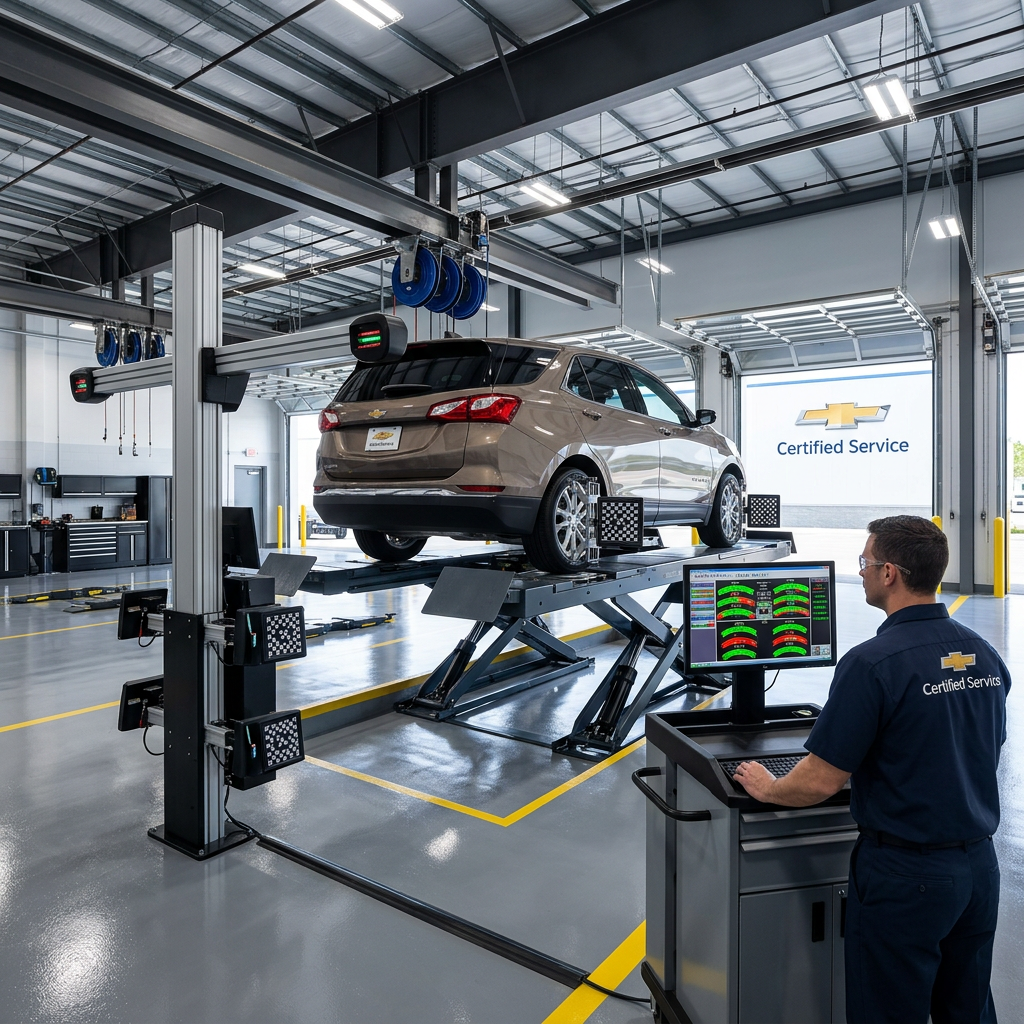
When you bring your car, truck, or SUV to Hawk Chevrolet of Joliet, our service protocol ensures extreme precision: • Digital Target Placement: High-definition optical targets are clamped to each wheel rim. • 3D Laser Measurement: Multi-camera laser heads scan individual wheel angles down to hundredths of a degree. • Baseline Angle Audit: Technicians review primary alignment metrics: Camber (vertical tilt), Caster (steering axis tilt), and Toe (inward/outward direction). • Precision Adjustment: Certified technicians adjust tie rod sleeve threads and eccentric camber bolts to exact factory original equipment specifications. • Road Test Verification: A real-world test drive confirms steering wheel leveling, straight tracking, and zero vibration.
Schedule Your Precision Wheel Alignment at Hawk Chevrolet of Joliet Today
Don't let bad wheel alignment ruin your tires or compromise your driving comfort. Whether you noticed persistent steering wheel vibration on your morning commute down I-80 or just purchased a new set of tires, our factory-trained service team is ready to assist you.
Hawk Chevrolet of Joliet is conveniently located at 2001 W Jefferson St, Joliet, IL 60435. You can Call (815) 472-8001 directly to speak with a knowledgeable service advisor or set up your digital tire inspection quickly through our online scheduler.



 Shop Chevy Red Tag.