Why Is Remote Start Not Working on My Chevy? Troubleshooting and Helpful Fixes
Stepping out onto a frosty morning in Will County only to press your key fob and hear complete silence from your Chevrolet vehicle is deeply frustrating. Whether you pilot a Silverado 1500, Equinox, Traverse, Tahoe, or an all-electric Blazer EV, factory remote start is one of the most cherished modern conveniences. When the engine or thermal preconditioning refuses to trigger, drivers often suspect catastrophic electrical failures. In reality, the Chevrolet remote vehicle start (RVS) system relies on a cascade of strict vehicle safety interlocks. If any single condition is not met, the Body Control Module (BCM) immediately cancels or ignores the command. Before assuming your key fob transmitter is broken or scheduling a full electrical harness teardown, review the five most frequent culprits behind sudden remote start non-responsiveness: depleted transmitter coin-cell batteries, an unlatched or misaligned hood ajar switch, an illuminated check engine light, hazard flashers left in the on position, and reaching the built-in two-cycle consecutive timeout threshold. If you need immediate hands-on support, the factory-trained specialists at Hawk Chevrolet of Joliet are always here to help inspect your vehicle.
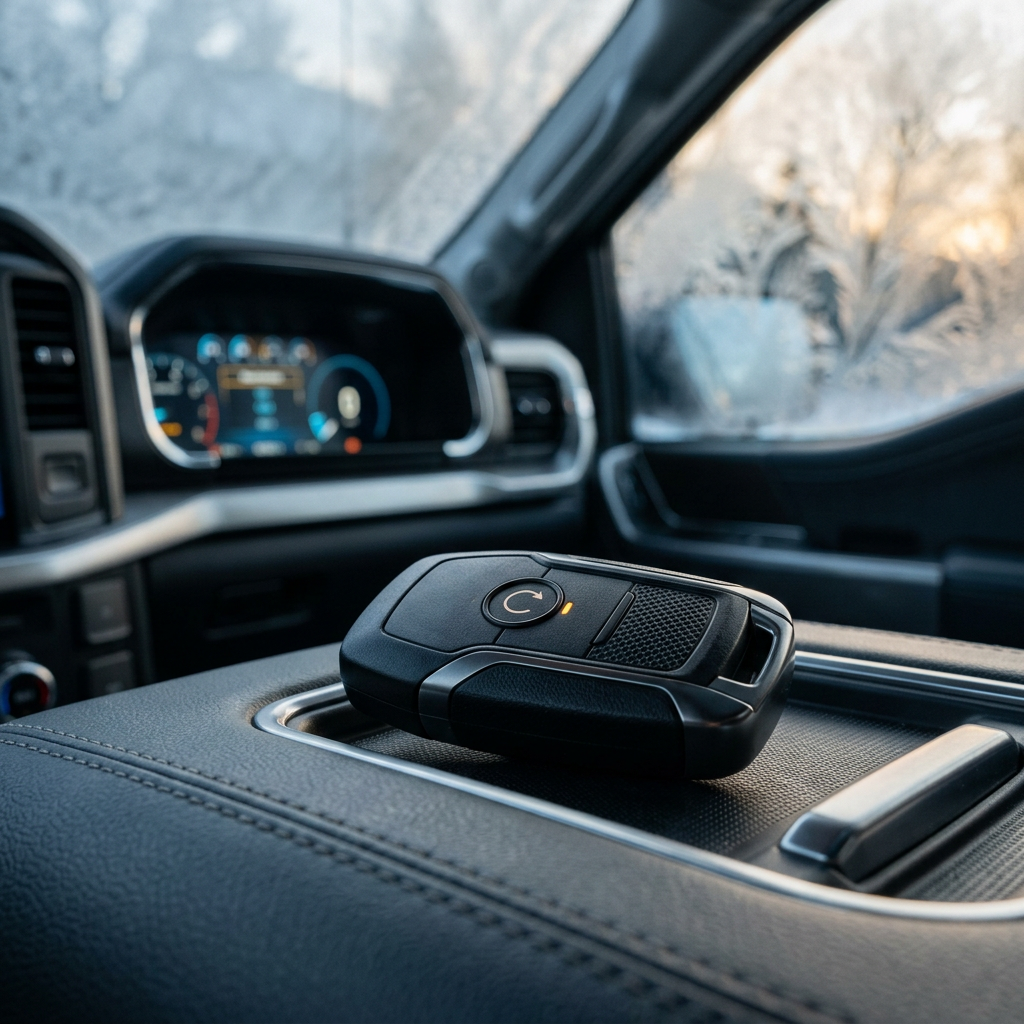
The 30-Second Chevy Remote Start Checklist: 1. Fob Button Technique: Ensure you are firmly pressing the Lock button once, then immediately pressing and holding the Remote Start(curved arrow) button for a full 4 to 5 seconds until the daytime running lights flash. 2. Consecutive Start Lockout: General Motors vehicles strictly permit two consecutive remote start cycles (totalling up to 30 minutes) before requiring a physical ignition cycling with an authorized key inside the cabin. 3. Cluster Warnings: Verify whether a solid or flashing Malfunction Indicator Lamp (MIL / Check Engine Light) is active on your instrument panel. Active Diagnostic Trouble Codes instantly disable the powertrain ignition relay. 4. Perimeter Closures: Walk around your vehicle to confirm all passenger doors, the rear liftgate or trunk, and especially the hood are latched down completely. 5. Hazard Lights: Check that your hazard four-way warning flashers are completely turned off, as an active flasher circuit inhibits starting commands for pedestrian safety.
What Basic Conditions Can Prevent Remote Start From Working on a Modern Chevy?
Modern and upcoming 2027 Chevrolet vehicles utilize a sophisticated network of electronic control units (ECUs) communicating across high-speed CAN-bus networks. For a remote start command to translate into engine ignition, the system demands that multiple fundamental interlocks are simultaneously satisfied. First, the transmission range sensor must report that the selector is firmly seated in Park (P). On electronic precision shifters found in newer Equinox, Tahoe, and Traverse SUVs, any misalignment or sensor drift indicating Neutral or an in-between state cancels the ignition sequence. Second, every passenger portal—including the front doors, rear passenger doors, tailgate, or electronic liftgate—must report a secured closed switch state. If an interior door is resting on its secondary safety latch without being fully compressed, the BCM rejects external start signals to prevent vehicle theft.
Third, the vehicle interior cabin must not detect any registered key fobs left behind. If a spare key fob is stored inside the center console, glove compartment, or luggage area, modern Chevy anti-theft sensors assume an occupant is present or an unattended key is inside, blocking external remote engine commands to eliminate accidental key lock-ins or runaway vehicle risks. Fourth, observe the standard 15-minute runtime ceiling. From the moment the engine cranks during a remote command, a countdown timer regulates the cycle. While an owner can trigger a second 15-minute extension by repeating the button press sequence during the initial run, the system strictly halts engine operation once the 30-minute cumulative limit expires. To initiate remote start again, the driver must physically depress the brake pedal and push the cabin Start button to cycle the vehicle power mode into RUN.
How Does the Hood Latch Sensor Affect Chevy Remote Start Functionality?
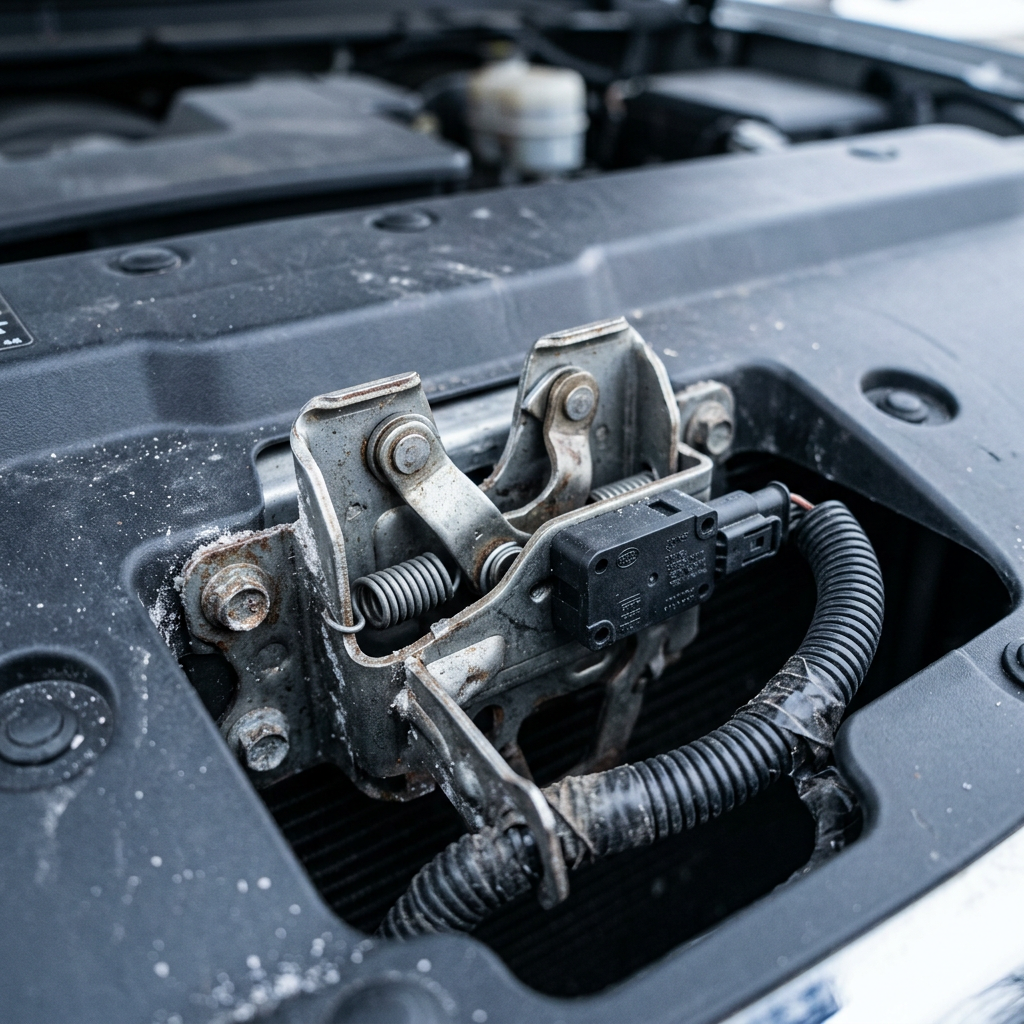
Among all physical hardware switches responsible for sudden remote start failure, the hood ajar sensor is statistically the most common offender across Illinois. Integrated directly into the primary mechanical hood latch assembly, this microswitch acts as an imperative life-safety cut-off. If a technician, roadside assistance operator, or vehicle owner has the hood raised to inspect fluid levels or serpentine belts, an inadvertent engine start could lead to catastrophic injury. Consequently, General Motors programs the BCM to continuously scan the hood position circuit. If the microswitch reports an open circuit—or fails to establish a continuous ground signal—the vehicle will refuse to crank remotely under any circumstance. Inside the instrument cluster or driver information center, you may notice an intermittent warning message reading "Hood Ajar" even when the steel hood appears visually locked. Across Joliet, Will County, and greater Chicagoland, winter roadway treatments represent the primary cause of premature hood latch failure. Calcium chloride, rock salt spray, and slush kicked up along Interstate 80 and Route 59 penetrate the front grille, coating the latch spring and electrical connector pins in corrosive residue. Over time, road salt crust prevents the microswitch contacts from seating completely, falsely signaling to the vehicle that the hood is open.
Check Engine Lights, Low Fuel, and Battery Voltage: System Protection Disables
Check Engine Light (DTCs)
Whenever the Engine Control Module (ECM) triggers an active Diagnostic Trouble Code, remote start is instantly suppressed. Because remote start runs unattended without a driver monitoring oil pressure, engine coolant temperatures, or catalytic converter misfires, GM failsafes prevent the engine from cranking until the fault is diagnosed and cleared.
Low Fuel Reserve Threshold
When your fuel gauge dips beneath 10% capacity—or the low fuel warning lamp illuminates—the BCM locks out remote start commands. This protective logic prevents the vehicle from idling until empty in a driveway or parking stall, saving critical fuel so the owner can safely reach the nearest refueling station.
Weak 12V Battery Voltage
A resting 12-volt automotive battery hovering near or below 12.0 volts lacks the reserve capacity for unattended high-draw cranking. To prevent completely exhausting the starter battery and leaving you stranded, the electrical power management module denies the remote starter relay until healthy charging voltage returns.
Why Is Chevy Remote Start Not Working Through the myChevrolet Mobile App?
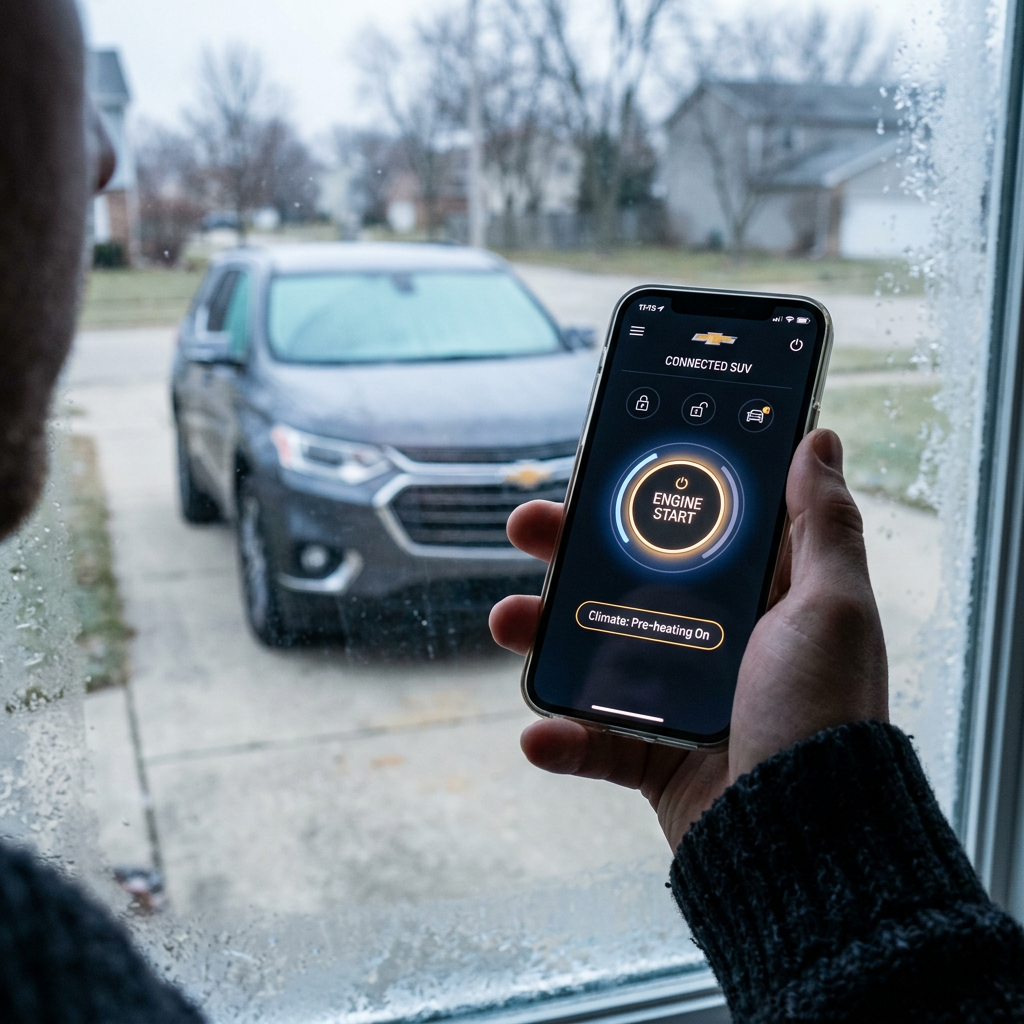
Sending an engine start signal through your smartphone relies on an entirely different communication pathway than a line-of-sight key fob. When you tap the ignition icon within the myChevrolet mobile app, your phone dispatches an encrypted cellular request to GM cloud servers, which in turn relays the instruction via nationwide 4G LTE or 5G telematics modems directly to your vehicle's OnStar module. If app commands consistently fail while your physical key fob operates normally, investigate these primary factors: • Active OnStar Plan: Connected vehicle app features require an active OnStar Remote Access or GM Connected Services plan. If your complimentary factory trial expired, remote key fob commands via cellular data cease immediately. • Vehicle Deep Sleep Mode: If your Chevy sits parked without being driven for more than 4 to 7 consecutive days, the telematics module powers down its cellular receiver to conserve 12V battery power. A manual push-button start restores active communication. • Cellular Coverage Dead Zones: Vehicles parked in underground parking garages, metal pole barns, or deep rural dead zones cannot maintain a cellular handshake with commercial towers. • Mobile Device Settings: Check your smartphone settings to confirm Background App Refresh is enabled, clear the app cache, and verify you are running the latest version from the Apple App Store or Google Play Store.
What Is the Cost of Maintaining myChevrolet Remote Access vs. Key Fob Remote Start?
Many Chevy owners wonder whether maintaining an ongoing digital subscription is necessary to retain remote starting privileges during freezing winters. The short answer depends entirely on range requirements. Physical key fobs utilize radio frequency (RF) transmissions and require zero monthly subscriptions or service fees for the entire operational life of the vehicle. However, their effective line-of-sight range is capped at roughly 200 feet. In contrast, the myChevrolet mobile app enables owners to precondition cabin temperatures from an office tower, commuter train, or airport terminal miles away, but requires an active cellular subscription package.
|
Operational Method
|
Transmission Type
|
Effective Range
|
Ongoing Subscription Cost
|
Long-Term Maintenance
|
|
Physical OEM Key Fob
|
315 MHz / 433 MHz RF
|
Up to 150–200 Feet (Line of Sight)
|
$0.00 / month
|
$5–$10 CR2032 Battery (Every 2–3 Years)
|
|
myChevrolet Mobile App
|
Cellular LTE / 5G & Cloud
|
Worldwide (Cellular Signal Required)
|
~$14.99/mo or bundled plan packages
|
Requires Active OnStar Account & App Updates
|
How Do You Reset Remote Start on a Chevy?
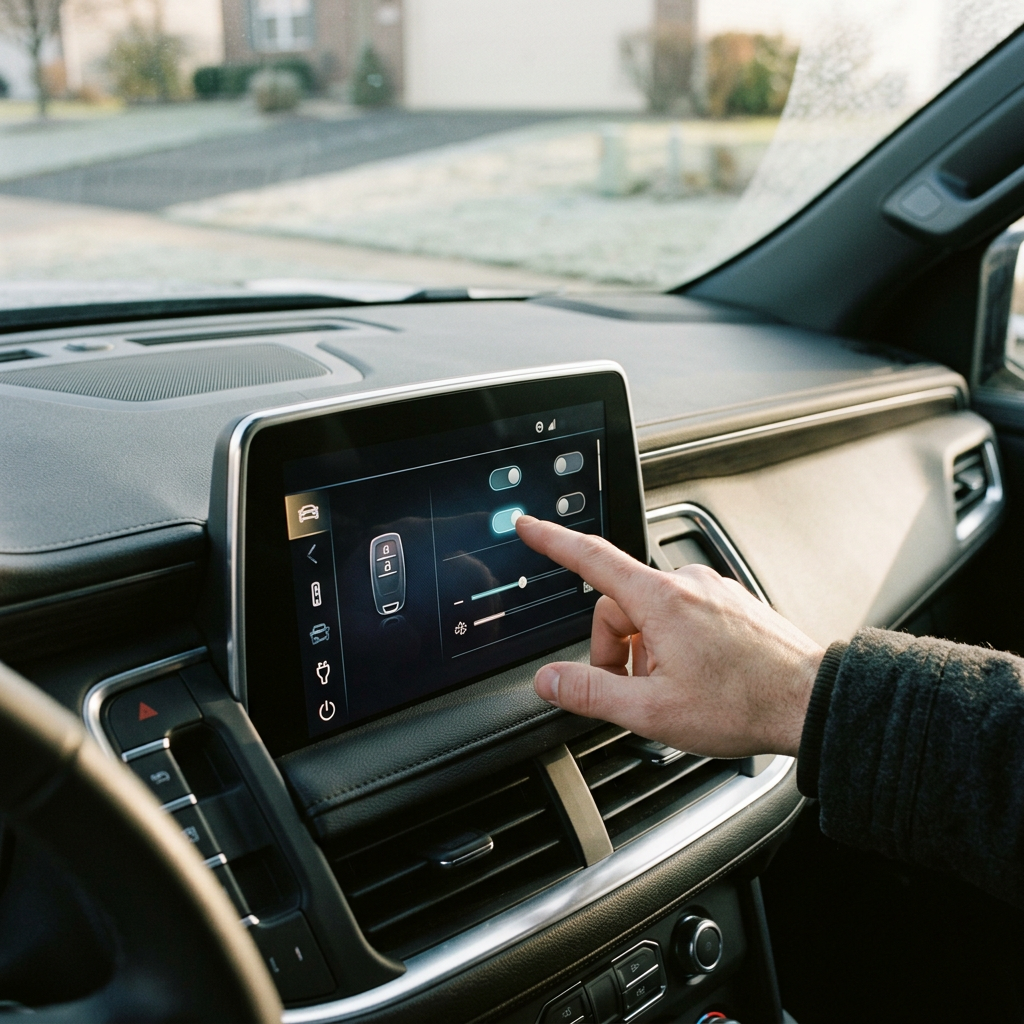
When minor software anomalies freeze the remote start protocol within your vehicle's Body Control Module, performing a methodical sequence reset frequently resolves the issue without replacement parts. Follow these sequential troubleshooting tiers: Tier 1: Check Infotainment Convenience Preferences Often, remote start functionality is unintentionally switched off inside your central touchscreen settings. Enter Settings>Vehicle>Remote Lock, Unlock, Start>Remote Start. Ensure the toggle is switched to ON. If already active, toggle it OFF, shut off the ignition, reopen the driver door, start the vehicle, and toggle it back to ON to refresh the stored profile. Tier 2: The Two-Cycle Keyless Ignition Clear If your vehicle triggered the two-cycle security lockout, enter the driver seat with all registered key fobs. Press and hold your foot firmly against the brake pedal, depress the engine START button, and let the motor idle for 30 seconds. Shift out of Park and back into Park, power the engine down, exit the cabin, latch all doors, and test your key fob sequence. Tier 3: The 12-Volt Negative Terminal Cold Reset For persistent control module freezes, performing a hard capacitive discharge clears volatile electronic memory. Open your hood, disconnect the negative (-) battery terminal with a 10mm wrench, and wait 15 minutes for all on-board capacitors to fully drain. Securely retighten the terminal, start the vehicle with the push button, and allow idle learning to stabilize before testing remote start.
Diagnosing Key Fob Battery Depletion, Signal Interference, and Button Contact Wear
CR2032 Battery Degradation
A dying 3V lithium coin cell might still have sufficient micro-voltage to operate short-range proximity door locks, but lack the continuous power to broadcast a sustained 4-second remote start radio burst. Always test your backup key fob first. If your spare transmitter starts the engine instantly, pry open the primary shell and replace the CR2032 battery.
High RF Urban Interference
Parking near industrial logistics corridors, commercial cell towers, high-voltage utility easements, or powerful airport radar installations along regional transport hubs can disrupt the 315 MHz or 433 MHz RF receiver in your vehicle. If the remote fails in one specific parking slot but works at home, ambient radio frequency interference is the culprit.
Internal Contact Membrane Wear
Inside well-used key fobs, conductive carbon pads beneath the silicone rubber buttons can degrade or collect moisture, lint, and pocket debris. If the lock button clicks reliably but the remote start button feels squishy or requires heavy physical force to register, the circuit board membrane requires cleaning with isopropyl alcohol or key fob replacement.
How Much Does It Cost to Replace a Chevy Hood Latch Sensor and Hardware?
Because the hood ajar microswitch is manufactured as a sealed component integrated directly within the primary hood latch bracket on most modern Chevrolet platforms, replacing the sensor typically involves installing a complete genuine GM hood latch assembly. Attempting to pry open or glue aftermarket miniature switches rarely provides long-term weather sealing against northern Illinois winter road salt. Here is a transparent cost estimate for hood latch assembly replacement in the Joliet and Chicagoland area: • Genuine GM Hood Latch Hardware: a current estimate that varies by model, engine bay packaging, and equipment • Dealership Labor & Calibration: contact for current pricing, including front radiator shroud removal, precise mechanical hood alignment, cable tension adjustment, and electrical resistance testing. • Total Estimated Repair Investment: Contact us for a current estimate based on your vehicle and labor time. Using genuine GM hardware helps maintain factory specifications and corrosion protection.
Why OEM Hardware Matters for RVS Operation: Generic aftermarket hood latches found on bargain wholesale websites frequently feature generic microswitches with improper spring tension or inadequate silicone moisture gaskets. In sub-freezing weather, moisture inside generic switches freezes solid, holding the switch open and permanently locking out remote start. By sourcing genuine OEM components directly through our dealership parts counter, you receive parts manufactured to strict GM durability specifications, backed by a comprehensive GM parts warranty. If you suspect an electrical fault in your hood latch, you can always reach our service advisors at Call (779)-260-4300 for quick verification.
Can an Aftermarket Remote Start Void Your Chevy Vehicle Warranty?
Under the federal Magnuson-Moss Warranty Act, an automotive manufacturer cannot automatically cancel your entire vehicle bumper-to-bumper or powertrain warranty simply because an aftermarket accessory was installed. However, the manufacturer is generally entitled to deny warranty claims if an aftermarket installation directly causes damage to vehicle electronic components. Modern Chevrolet electrical architectures rely on delicate serial data buses and Body Control Modules. Third-party remote starter installations frequently require tapping into steering column ignition wires, transponder bypass harnesses, or CAN-bus data lines. If an aftermarket system causes parasitic battery drain, shorts out the BCM, triggers phantom warning lights, or corrupts immobilizer keys, repairs to those factory components will not be covered under warranty. Chevrolet offers Remote Start Accessory Packages designed to integrate with the vehicle's factory wiring harness and installed using certified GM service procedures.
Preparing Your Chevy Remote Start for Cold-Weather Plainfield and Joliet Commutes
When arctic cold fronts drop temperatures below zero across Joliet, Plainfield, Shorewood, and Will County, remote start becomes more than a luxury—it ensures safety, defogs windshields, and brings engine oil up to optimal operating viscosity before merging onto fast-moving lanes of I-80 or I-55. To optimize your Chevrolet remote start for harsh northern Illinois winters, configure these smart vehicle climate presets: • Auto Heated Seats & Steering Wheel: Navigate to your touchscreen settings under Climate and Air Quality and enable Auto Heated Seats and Auto Heated Steering Wheel. When remote start engages in sub-freezing ambient temperatures, your seat heaters and steering wheel will activate automatically without manual selection. • Rear Defog and Mirror Heaters: Enable automatic rear window defogger activation during remote start. This energizes the heated glass grid and side mirror elements to melt overnight frost and ice glaze before you enter the cabin.
Battery Cold-Cranking Amps (CCA) Inspection: Cold-Weather ambient air dramatically weakens automotive battery chemical reactions while thickening engine motor oil, demanding nearly double the electrical amperage to turn over the starter motor. If your battery is over three years old, a sudden cold snap can drop resting terminal voltage just low enough to prevent remote start logic from authorizing ignition. Before deep winter arrives, have a professional conductance and cold-cranking test performed on your 12V battery. Ensuring your vehicle battery has robust cold-cranking power guarantees that your remote start cranks reliably every morning, keeping your commute warm, safe, and on schedule.
Schedule Certified Chevy Electrical and Diagnostic Service at Hawk Chevrolet of Joliet
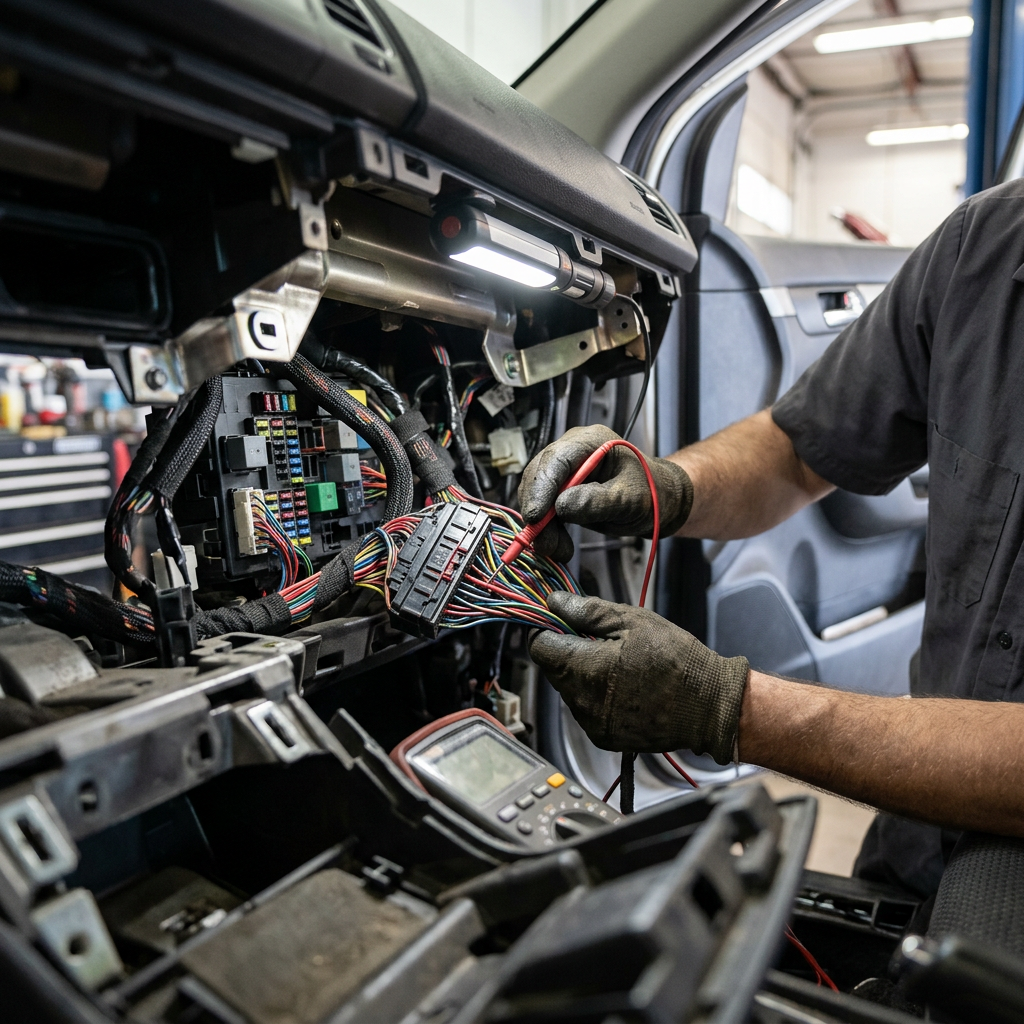
If you have replaced your key fob battery, confirmed all doors and hood latches are secure, and your Chevy remote start still fails to respond, it is time for an expert diagnosis. Advanced Body Control Module communication faults, corrupted immobilizer keys, damaged CAN-bus data circuits, or intermittent hood switches require GM specialized diagnostic scanners (MDI 2 and GDS2 software) that generic auto parts stores cannot provide. At Hawk Chevrolet of Joliet, located at 2001 W Jefferson St, Joliet, IL 60435, our factory-certified technicians specialize in GM electrical architectures. We pinpoint the exact trouble code or circuit failure preventing remote vehicle start, install genuine GM OEM components, and verify full system operation so your vehicle is ready for every commute. Ready to restore warm morning starts? Plan your trip using our easy Get Directions to Hawk Chevrolet of Joliet guide or use the button below to reserve an appointment.



 Shop Chevy Red Tag.