Will County Forest Preserve Tailgating Rules: Canopy, Generator, and Parking Regulations Explained
Autumn in Will County brings crisp air, vibrant foliage along the Des Plaines River valley, and prime opportunities for outdoor recreation. Whether you are gathering with family for a weekend barbecue at Hammel Woods in Shorewood, setting up a staging station for a morning bike ride along the Rock Run Recreational Trail, or organizing a group picnic at Whalon Lake in Naperville, understanding local forest preserve district rules is essential. A key question for outdoor enthusiasts is whether Will County Forest Preserve District policies permit traditional tailgate setups featuring pop-up shade canopies, portable power generators, and towed trailers.
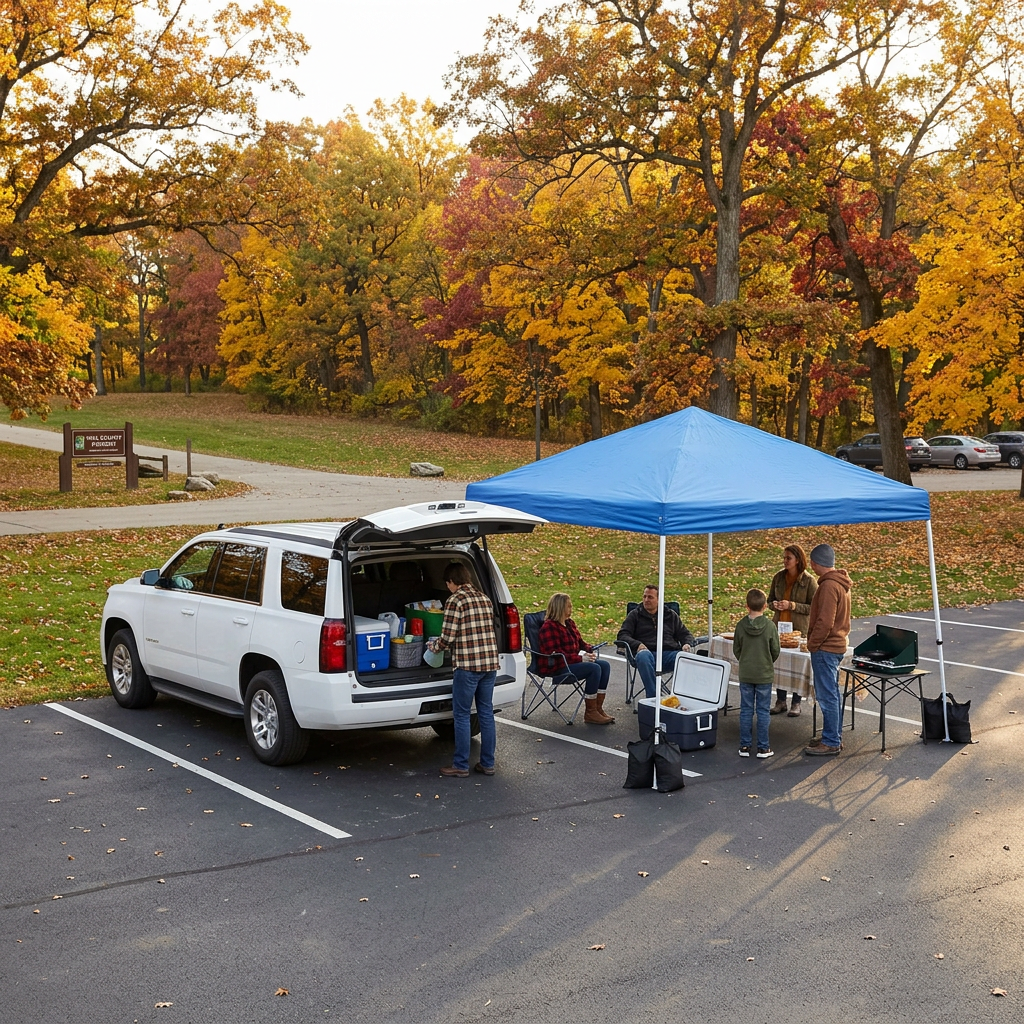
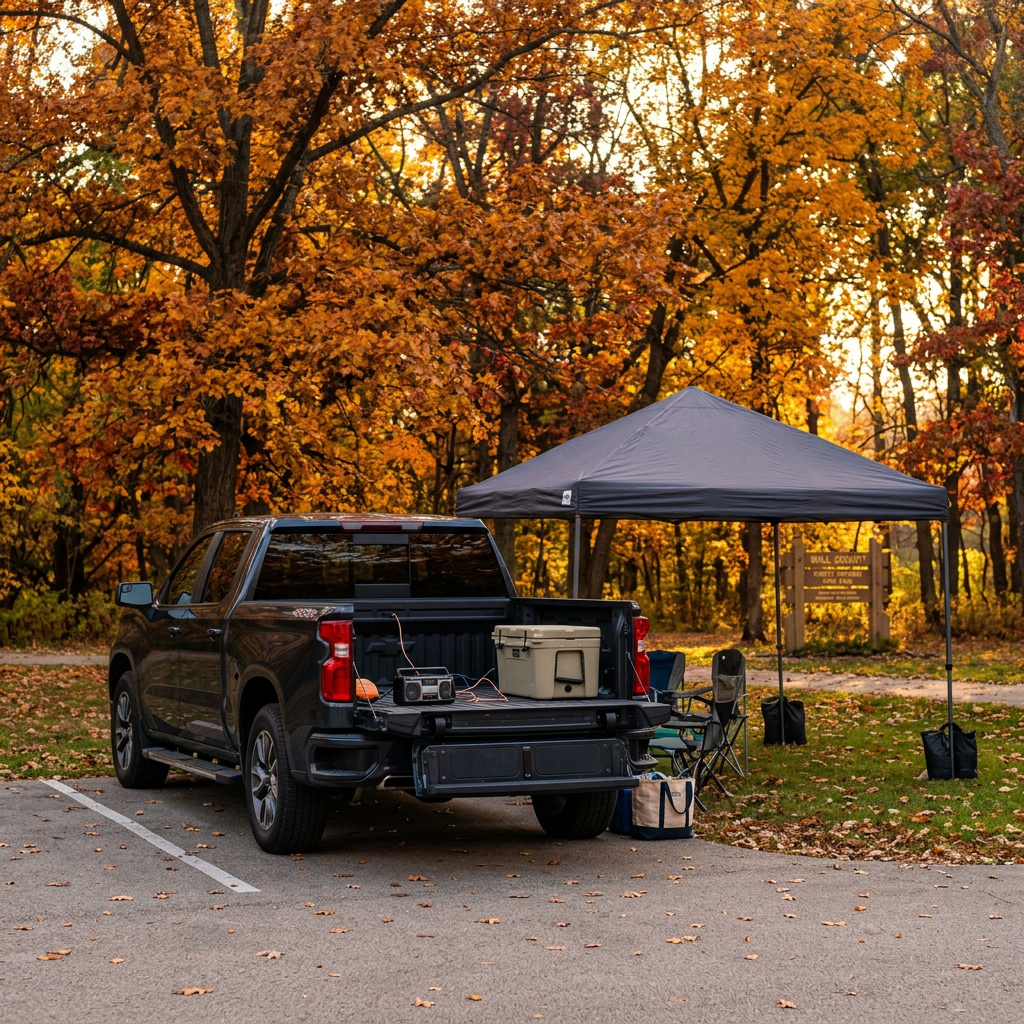
Direct Takeaway: Pop-up shade canopies under 10x10 feet (and in certain designated picnic groves, up to 20x20 feet) are generally permitted without special permits, provided they are secured using weight bags rather than deep ground stakes that damage turf or risk hitting buried utilities. However, portable generators are strictly regulated across Will County preserves; running a standard open-frame gas generator is usually prohibited without a formal Special Use Permit due to noise ordinance caps (typically 55–60 dB at 50 feet) and seasonal fire safety codes. Furthermore, vehicle tailgating must remain confined within paved parking slots—occupying grass medians, blocking fire lanes, or parking unattached trailers in standard passenger vehicle spaces is prohibited. To explore local outdoor destinations safely, Get Directions to Hawk Chevrolet of Joliet to check your vehicle's towing setup before heading out.
When planning your gathering, respecting the natural environment and surrounding visitors is paramount. The Forest Preserve District of Will County manages over 23,000 acres of prairie, wetland, and forest. Rules governing tailgating equipment are designed to protect delicate ecosystems, prevent turf damage, safeguard underground electric and irrigation lines, and preserve quiet enjoyment for all patrons. In the following guide, we break down specific canopy dimensions, generator sound regulations, vehicle weight ratings, towing physics, and pre-trip vehicle checks to ensure your fall outing is seamless and fully compliant.
What Permits or Fees Are Required for Vehicle Parking and Trailer Access at Will County State Parks and Forest Preserves?
General Vehicle Entry & Parking Access: Entry to Will County Forest Preserve parking lots is free for general public day use. However, parking is strictly on a first-come, first-served basis within designated paved or gravel parking stalls. If you are hauling a utility trailer, tailgating trailer, or boat rig to locations such as Rock Run Preserve or Hammel Woods, your vehicle and trailer combination must fit within designated oversized vehicle spaces. Parking across multiple standard passenger stalls or along unpaved roadways is prohibited and subject to municipal ticketing. Group Picnic & Shelter Permits: For small family tailgates using casual vehicle setups, no permit is required. However, if your gathering exceeds 25 people, reserves a shelter, or involves setting up large equipment (such as inflatable structures or commercial shade tents larger than 20x20 feet), you must secure a Picnic Shelter Permit or Special Use Permit from the District at least two weeks in advance. Permit fees range depending on group size and resident status, helping cover maintenance and site management.
Popular Destination Guidelines:•Hammel Woods (Shorewood): High weekend traffic. Trailer parking is restricted to designated long stalls near the DuPage River access point. •Whalon Lake (Naperville/Bolingbrook): Offers paved parking lots, but boat launch area staging requires keeping vehicle-and-trailer rigs in designated launch lanes only. •Messenger Woods (Homer Glen): Firewood regulations strictly enforce local wood sourcing to prevent emerald ash borer and invasive species movement. If you plan to upgrade your vehicle for heavier tailgating trailers, you can easily Value Your Trade online with Hawk Chevrolet of Joliet to see what your current truck or SUV is worth toward a new Chevrolet Silverado or Tahoe.
Canopy Sizes, Staking Rules, and Generator Sound Limits in Joliet and Plainfield Preserves
Shade Canopy Dimensions
Standard 10x10 pop-up canopies are permitted in open grass picnic areas adjacent to parking lots without prior approval. Tents or shade structures exceeding 20x20 feet are classified as temporary shelters and require structural inspection permits and special approval. Canopy placement must not obstruct shared paved footpaths, bike trails, or emergency vehicle access corridors.
Strict Staking Regulations
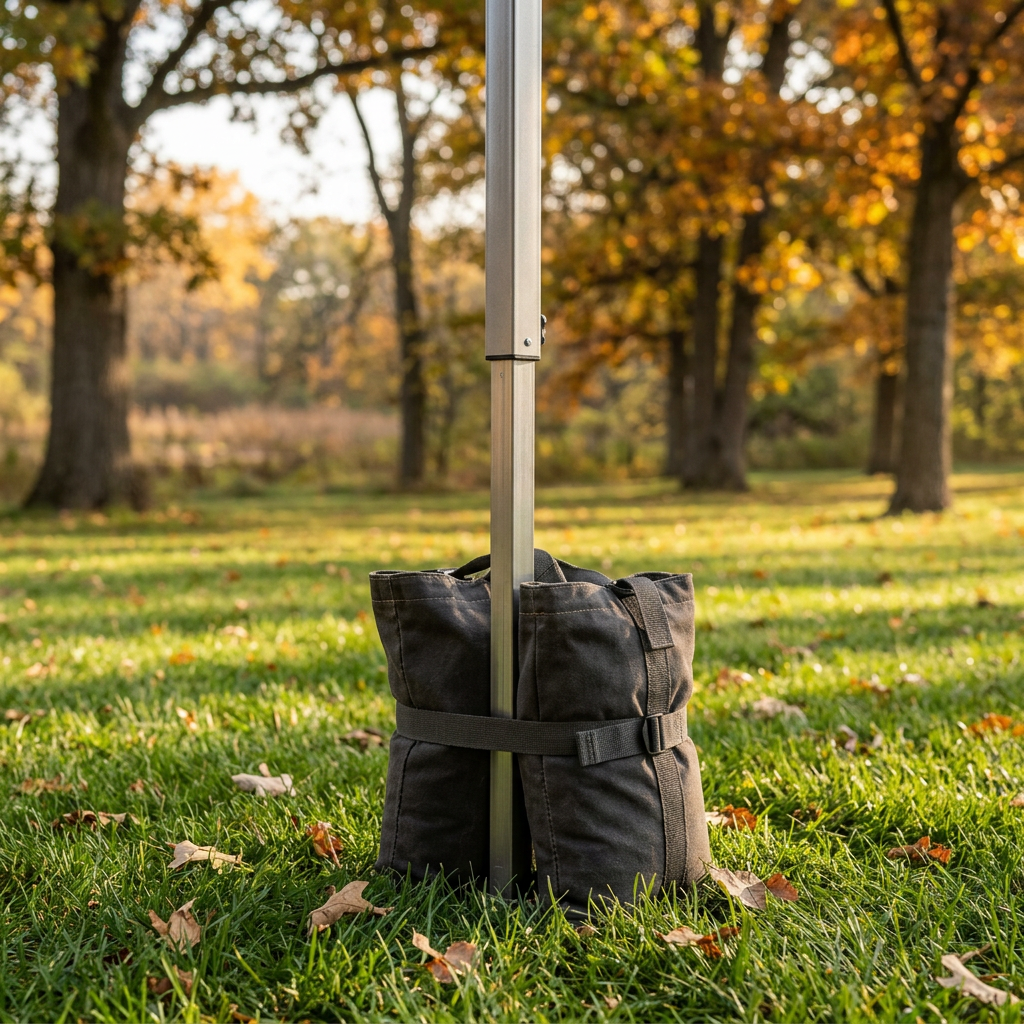
Driving metal ground stakes deeper than 6 to 8 inches into preserve turf is strictly prohibited due to shallow underground utility lines, sprinkler systems, and tree root networks. Visitors are required to secure pop-up canopies using rubberized weight bags, sandbags, or heavy water jugs attached to leg bases to handle autumn wind gusts safely without damaging preserve grounds.
Generator Noise & Fire Rules
Loud, open-frame contractor generators operating above 60 dB are prohibited in public picnic areas. Small, super-quiet inverter generators (under 55 dB at 23 feet) may be permitted under specific site rules, but must be elevated off dry grass and placed away from brush to prevent spark ignition. Built-in vehicle power outlets (like Chevrolet Power Base) offer a silent, legal alternative.
How Do Payload Capacity and Gross Vehicle Weight Rating Limit Cargo Loading for Outdoor Tailgating?
When packing your truck bed or SUV cargo hold with heavy tailgating equipment—such as dual-fuel generators, 100-quart rotomolded coolers filled with ice, heavy steel grills, folding tables, pop-up canopies, and full propane tanks—it is surprisingly easy to exceed your vehicle's safe payload limits. Payload capacity is the total weight of all cargo, passengers, aftermarket accessories, and trailer tongue weight that your vehicle can safely carry. Every vehicle has a certified Gross Vehicle Weight Rating (GVWR) printed on the driver's side door jamb placard. GVWR represents the absolute maximum allowable weight of the vehicle itself when fully loaded with fuel, occupants, cargo, and hitch weight. Exceeding GVWR compromises braking performance, strains rear axle bearings, overheats transmission fluid, and alters steering geometry.
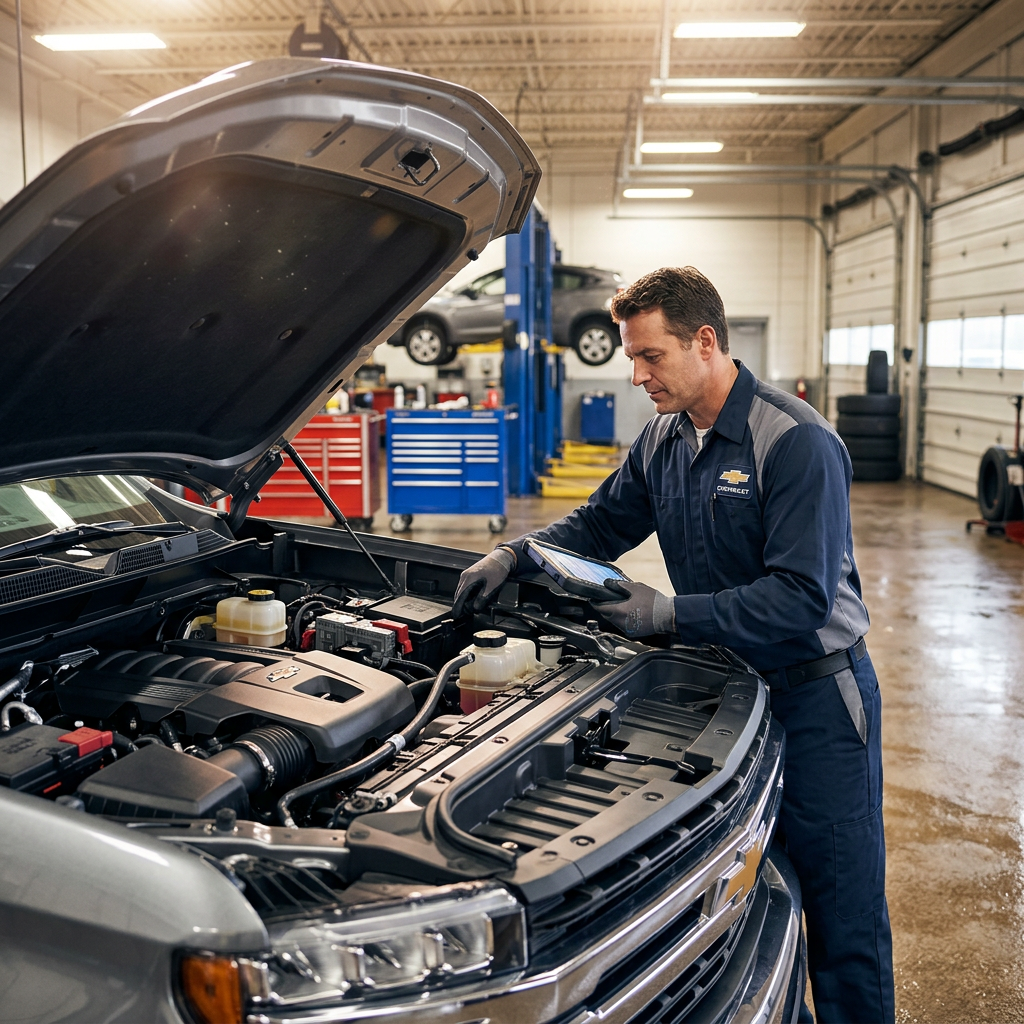
Calculating Your Real-World Payload Capacity: 1. Locate your vehicle's specific Payload Limit on the Tire and Loading Information door sticker (e.g., 1,750 lbs). 2. Subtract total weight of driver and passengers (e.g., 4 passengers @ 180 lbs = 720 lbs). 3. Subtract weight of installed accessories like tonneau covers or step bars (e.g., 80 lbs). 4. Subtract trailer tongue weight if towing a tailgating trailer (e.g., 400 lbs). 5. Remaining available payload capacity for tailgating gear = 550 lbs. If you notice significant rear-end vehicle squat, long braking distances, or unusual handling when fully loaded, bring your vehicle in for a multi-point suspension and brake inspection. You can easily Schedule Your Service Today with certified technicians at Hawk Chevrolet of Joliet.
How Do You Calculate Your Vehicle's Total Tongue Weight When Loading a Tailgating Trailer?
Towing a dedicated tailgating trailer equipped with built-in smokers, TV mounts, or electrical generators requires careful attention to tongue weight distribution. Tongue weight is the downward force exerted by the trailer tongue onto the vehicle's hitch ball. The universal rule for safe conventional trailering is that tongue weight must equal 10% to 15% of the total loaded trailer weight (Gross Trailer Weight / GTW).
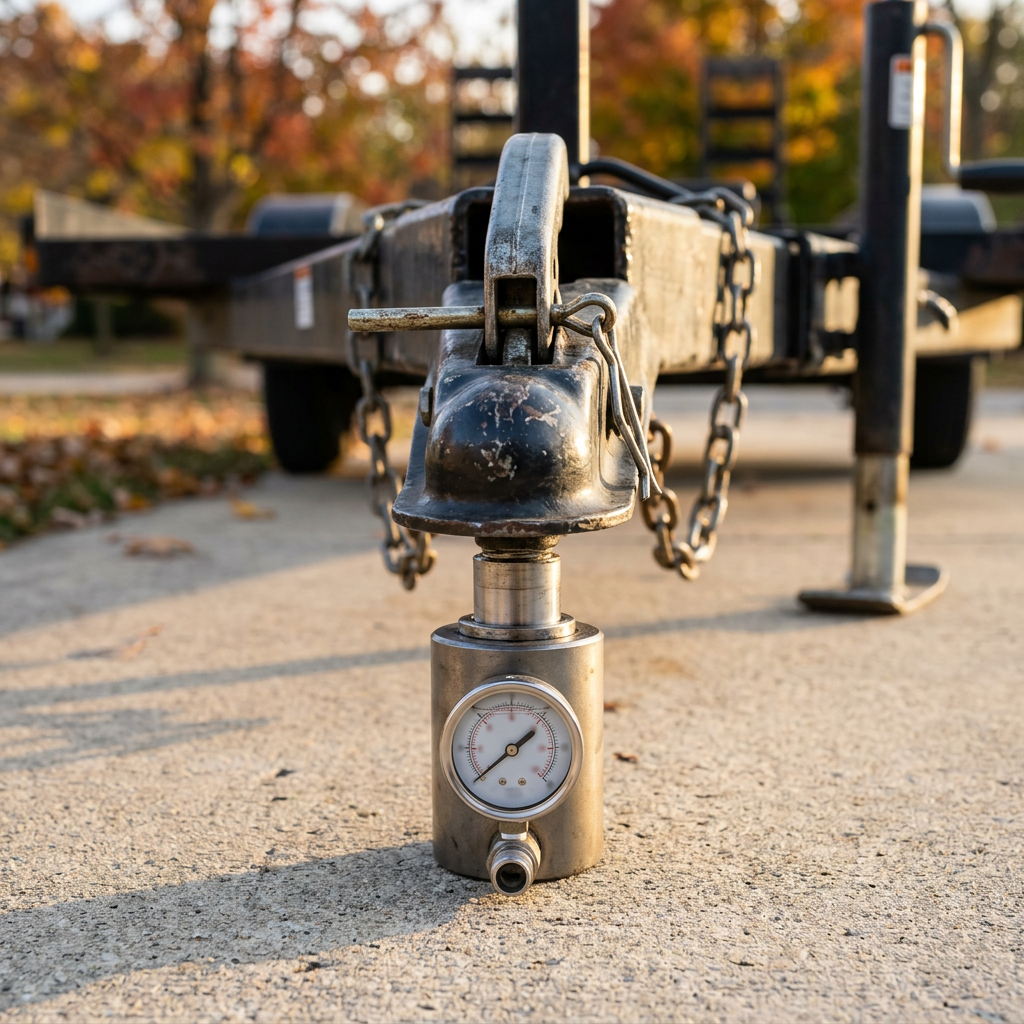
The Hazards of Improper Tongue Weight:•Too Light (Under 10%): Low tongue weight causes violent trailer sway at highway speeds (e.g., along I-55 or I-80 near Joliet), which can lead to loss of vehicle control. •Too Heavy (Over 15%): Excessive tongue weight causes severe rear suspension sag, lifting front tires off the road. This reduces front traction, impairs steering responsiveness, and causes headlight aim to blind oncoming traffic. Step-by-Step Tongue Weight Calculation: 1. Weigh your loaded trailer at a commercial CAT scale or use a portable hydraulic tongue scale under the hitch coupler. 2. If total trailer weight is 3,000 lbs, ideal tongue weight ranges between 300 lbs (10%) and 450 lbs (15%). 3. Adjust cargo distribution: place heavy items (coolers, generators) directly over or slightly ahead of the trailer axle. 4. If trailer tongue weight exceeds your vehicle's hitch rating or vehicle rear axle rating (GAWR), install a certified Weight Distribution Hitch (WDH) to transfer load evenly back to front axles. If considering buying a truck with higher towing capacity, feel free to Get Pre-Approved for Financing online.
Is a Hitch-Mounted Cargo Carrier or a Roof Cargo Box Better for Tailgating and Camping Gear?
Hitch-Mounted Cargo Trays
Pros: Excellent ergonomic loading height for heavy gear like generators, gas grills, or coolers. Eliminates wind drag overhead, preserving highway fuel efficiency. Most Class III/IV receivers accommodate 500 lbs cargo trays. Cons: Adds weight directly to rear tongue load; obscures rear license plate or backup camera if cargo is tall; restricts rear hatch or tailgate opening unless utilizing a folding or swing-away receiver design. Best For: Heavy, bulky tailgating equipment that is too awkward to lift onto vehicle roofs.
Roof Cargo Boxes & Baskets
Pros: Keeps trunk and hitch completely free for trailer towing; weather-resistant sealed protection for sleeping bags, clothing, canopy fabric, and soft gear; maintains clear backup camera visibility. Cons: Roof crossbar dynamic weight limits are typically capped at 150–165 lbs; lifting heavy coolers overhead is difficult; increases aerodynamic drag and fuel consumption. Best For: Lightweight, bulky gear like folding chairs, pop-up canopy covers, sleeping pads, and tarps. Explore accessories and Order Genuine Chevrolet Parts to gear up.
What Transmission Precautions Are Necessary When Towing Heavy Tailgating Loads?
Tow/Haul Mode Activation
Always engage Tow/Haul mode when towing or carrying heavy payloads. Tow/Haul adjusts automatic transmission shift schedules, delaying upshifts to hold engine power bands longer and locking up the torque converter to reduce heat buildup during acceleration.
Thermal Management
Heat is the primary cause of automatic transmission failure. Monitor transmission fluid temperature on your instrument cluster display. Operating temperatures should remain below 200°F–220°F. Auxiliary transmission oil coolers are highly recommended for frequent heavy towing.
Manual Shift Grade Braking
When navigating rolling hills along the Des Plaines or DuPage River valleys, use grade braking features or manually select lower gears. Engine braking prevents brake pad overheating and brake fade on steep downhill preserve entry roads.
Does Installing an Aftermarket Trailer Hitch Void a Vehicle Factory Warranty?
The Magnuson-Moss Warranty Act Protection: Under federal law (the Magnuson-Moss Warranty Act), installing an aftermarket trailer hitch or receiver extension does not automatically void your vehicle's factory powertrain warranty. Car manufacturers cannot deny warranty coverage simply because aftermarket parts are installed, unless they can prove that the specific aftermarket component caused or directly contributed to the failure. Potential Warranty Risks with Substandard Installations: While the hitch bar itself rarely causes issues, improper installation can lead to denied warranty claims. Common errors include: • Splicing directly into factory tail light wiring without a isolated relay, damaging body control modules (BCM). • Drilling unsealed holes into frame rails, causing accelerated structural rust. • Exceeding factory rated towing capacities, causing transmission or rear differential failure.
Why OEM Accessories & Certified Installation Matter: Choosing Genuine Chevrolet trailer hitches and custom wiring harnesses ensures seamless integration with integrated trailer brake controllers, StabiliTrak sway control software, and rear park assist sensors. OEM accessories installed by factory-trained technicians come backed by Chevrolet warranty coverage without risking your vehicle's factory protection. Have questions about tow packages for your vehicle? Call us at (815) 472-8001 to speak directly with our certified Chevrolet parts and service specialists in Joliet.
What Pre-Trip Maintenance Checks Are Essential Before Towing Heavy Cargo in Fall Weather?
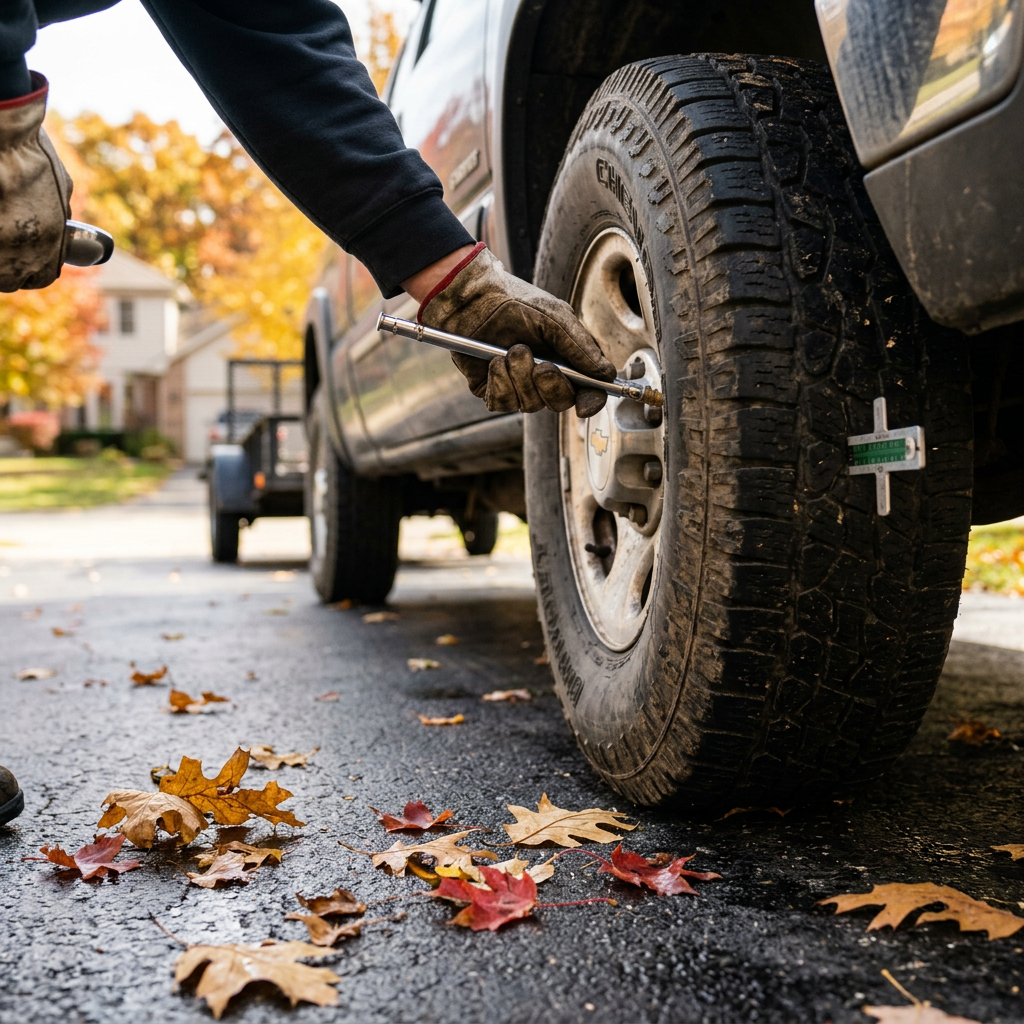
As autumn ambient temperatures drop across Will County, tire pressures naturally decrease by approximately 1 PSI for every 10°F temperature drop. Proper maintenance before hauling loaded tailgating trailers or full bed payloads is crucial for safety and reliability.
|
Inspection Area
|
Check Item
|
Recommended Action
|
|
Tires & Pressure
|
Cold PSI & Tread Depth
|
Adjust vehicle and trailer tires to door sticker specs; ensure min 4/32" tread for wet fall leaves.
|
|
Braking System
|
Pads, Rotors & Controller
|
Inspect friction material thickness; test breakaway switch battery on trailer.
|
|
Lighting & Harness
|
7-Pin / 4-Pin Connector
|
Apply dielectric grease to contacts; verify turn signals, brake lights, and running lamps function.
|
|
Cooling System
|
Engine Coolant & Hoses
|
Check anti-freeze concentration and inspect radiator hoses for soft spots or leaks.
|
|
Electrical System
|
12V Battery Health
|
Test battery cold-cranking amps (CCA) before powering tailgating accessories.
|
Planning to upgrade your towing vehicle before your next preserve trip? Feel free to Browse Used Inventory at Hawk Chevrolet of Joliet to find dependable pre-owned trucks equipped with factory tow packages.
Fall Tailgating and Outdoor Recreation: Towing and Cargo Prep for Will County State Parks
Hammel Woods Preserve
Located along the DuPage River in Shorewood, Hammel Woods offers scenic fall foliage trails, canoe launches, and spacious picnic areas. Ensure your tailgate setup keeps river pathways clear and uses sandbag canopy anchors.
Whalon Lake Recreation
Featuring an 80-acre lake surrounded by paved trail loops in Naperville, Whalon Lake is ideal for kayak tailgating. Keep tow vehicles and trailers parked within marked boat trailer bays.
Rock Run Preserve
Connecting miles of multi-use asphalt trails across Joliet, Rock Run is popular for fall cycling groups. Charge e-bikes using integrated Chevy bed outlets without noisy gas generators.
Choosing the Right Chevy Truck or SUV Accessories for Tailgating and Camping
Modern Chevrolet trucks and SUVs offer innovative factory accessories designed specifically to enhance outdoor tailgating and camping experiences: • Multi-Flex Tailgate: Offers six unique functional positions, including a standing work surface, full-width step holding up to 375 lbs, and load stop retainers. • Bed-Mounted 120V AC Outlets: Provides onboard power directly from the truck's electrical system, running slow cookers, LED canopy lighting, and sound systems without needing noisy gas generators. • Factory Spray-On Bedliners & Tonneau Covers: Protects your truck bed from scratches caused by metal canopy frames and heavy rotomolded coolers while keeping tailgating gear dry in transit. • Custom Trailer Hitch Receivers & Wiring: Factory-tested hitch assemblies tailored to your vehicle's exact frame specifications.
To explore genuine factory accessories or upgrade your current vehicle, feel free to Browse New Inventory at Hawk Chevrolet of Joliet.
Gear Up Your Vehicle for Will County Outdoor Adventures at Hawk Chevrolet of Joliet
Navigating Will County Forest Preserve regulations is simple when you have the right equipment and proper vehicle preparation. By utilizing weighted canopy anchors instead of deep stakes, relying on quiet inverter power or built-in vehicle outlets, and staying within your payload and towing limits, you ensure a safe, fun, and hassle-free tailgating season. Whether you need a pre-trip brake and suspension inspection, genuine trailer hitch installation, or are looking to upgrade to a tow-ready Chevrolet Silverado, Tahoe, or Suburban, Hawk Chevrolet of Joliet is your trusted local automotive partner in Will County.