When Should Joliet Chevrolet Owners Prepare for the First Fall Freeze?
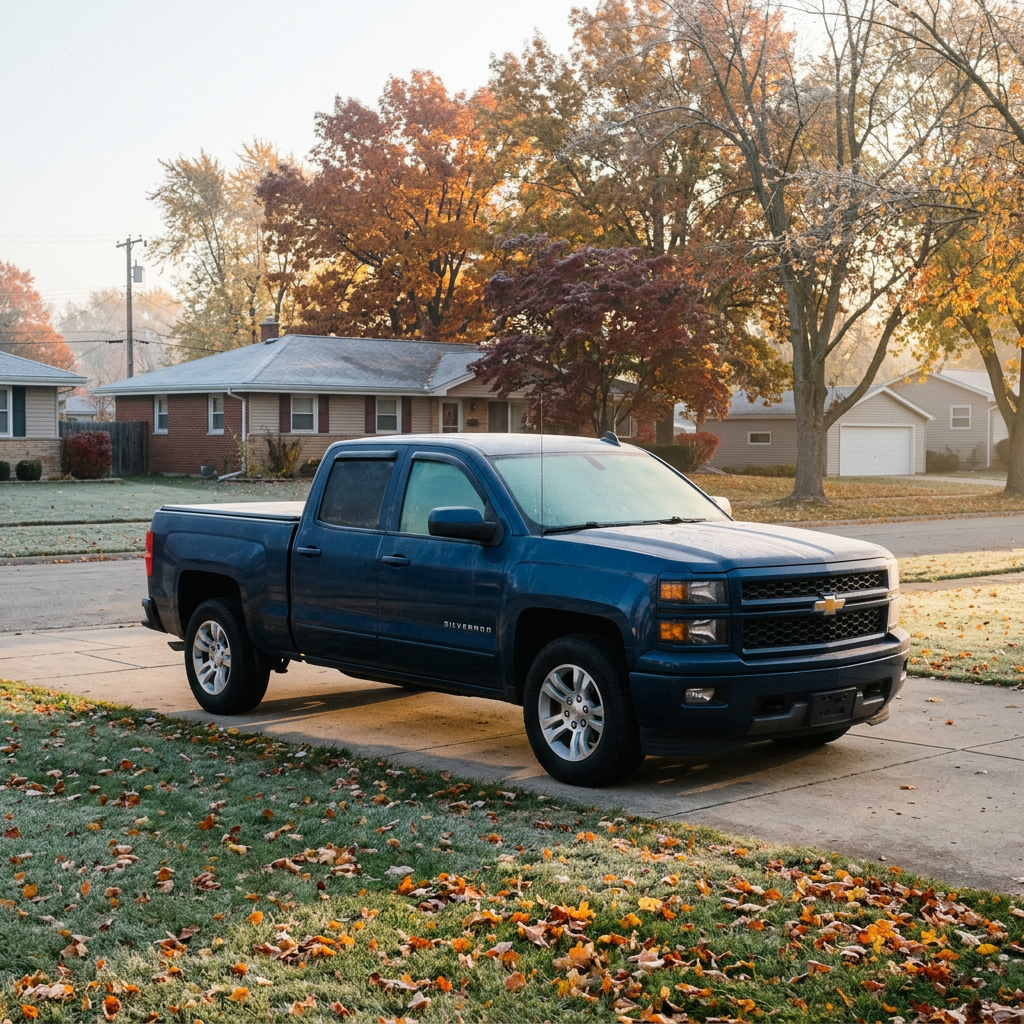
For automobile owners across Will County, autumn brings crisp air, vibrant foliage along the Des Plaines River, and the inevitable return of sub-freezing temperatures. According to historical weather records maintained by the National Oceanic and Atmospheric Administration (NOAA), Joliet and surrounding Northern Illinois communities experience their first historical frost and localized freeze between October 15 and October 31. While warm afternoon sun can deceive even long-time Midwestern drivers, overnight ambient temperatures frequently plunge below the 32°F threshold during this critical mid-to-late October timeframe.
To safeguard your vehicle against unexpected cold-weather failures, local automotive specialists strongly recommend that Chevrolet owners schedule their comprehensive winterization service by early October—well before overnight freezes become a daily reality. Waiting until the first major freeze notice hits the morning weather broadcast almost guarantees long wait times at service centers and exposes your engine, battery, and tires to severe thermal stress. Proactive maintenance performed in late September or early October ensures your vehicle starts reliably on freezing mornings and performs flawlessly when ice begins forming on your early commute.
Why Late September to Early October is the Critical Window for Northern Illinois Drivers
The geography of the Des Plaines River valley in Joliet, Plainfield, and Naperville creates localized microclimates where low-lying areas drop into freeze territory faster than surrounding suburban elevations. During late September and early October, high-pressure systems moving down from Canada produce clear, calm atmospheric conditions. These conditions accelerate radiative cooling, causing ground and ambient air temperatures to plummet by 25 to 35 degrees between sunset and sunrise.
This rapid thermal contrast exerts severe stress on modern automotive systems. Older 12-volt lead-acid batteries, which lose significant chemical reactivity as temperatures decline, often fail overnight during the season's first sudden frost. Drivers who finished their evening drive with no visible warning signs are frequently greeted the following morning by slow engine cranking or a completely dead starter circuit.
Beyond electrical systems, rapid autumnal thermal drops trigger material contraction across vital vehicle components. Synthetic rubber radiator hoses, heater core connections, and serpentine belts become rigid and less pliable. Tiny micro-fractures in aging rubber rapidly expand under thermal shock, leading to unexpected coolant leaks or power steering fluid loss right as winter begins.
Simultaneously, air density changes rapidly within your tires. For every 10-degree drop in outside ambient temperature, tire inflation drops approximately 1 PSI. A 30-degree night in Will County can trigger low tire pressure warnings on your Chevy dashboard before you even leave your driveway. Preparing during the late September to early October window prevents these compounding issues.
Preparing Your Chevrolet for First Northern Illinois Frosts: Battery CCA and Fluid Line Maintenance
Trucks & Large SUVs
Heavy-duty vehicles like the Chevrolet Silverado 1500, Suburban, and Tahoe demand maximum battery Cold Cranking Amps (CCA) to turnover large V8 engines (5.3L and 6.2L EcoTec3) or Duramax turbodiesels in freezing conditions. High fluid volume transmission and cooling lines require strict chemical ratios to maintain flow efficiency when freezing air hits high-speed corridors along Interstate 80.
Crossovers & Sedans
Popular family SUVs like the Chevy Equinox, Blazer, and Traverse feature modern high-efficiency turbocharged engines. These intricate powertrains require rapid, low-viscosity oil circulation during sub-zero starts to protect sensitive turbo seals and variable valve timing solenoids against oil starvation during cold morning idling.
Commuter Protection
Navigating the I-55 and I-80 interchange during peak morning rush hour demands total mechanical reliability. A weak battery or frozen windshield washer nozzle at 6:30 AM can turn a routine commute into an unsafe roadside hazard. Proactive autumn fluid checks and load testing eliminate preventable winter breakdowns before they occur.
What Cold Cranking Amps (CCA) Rating Is Recommended for a Chevrolet Battery in Illinois Winters?
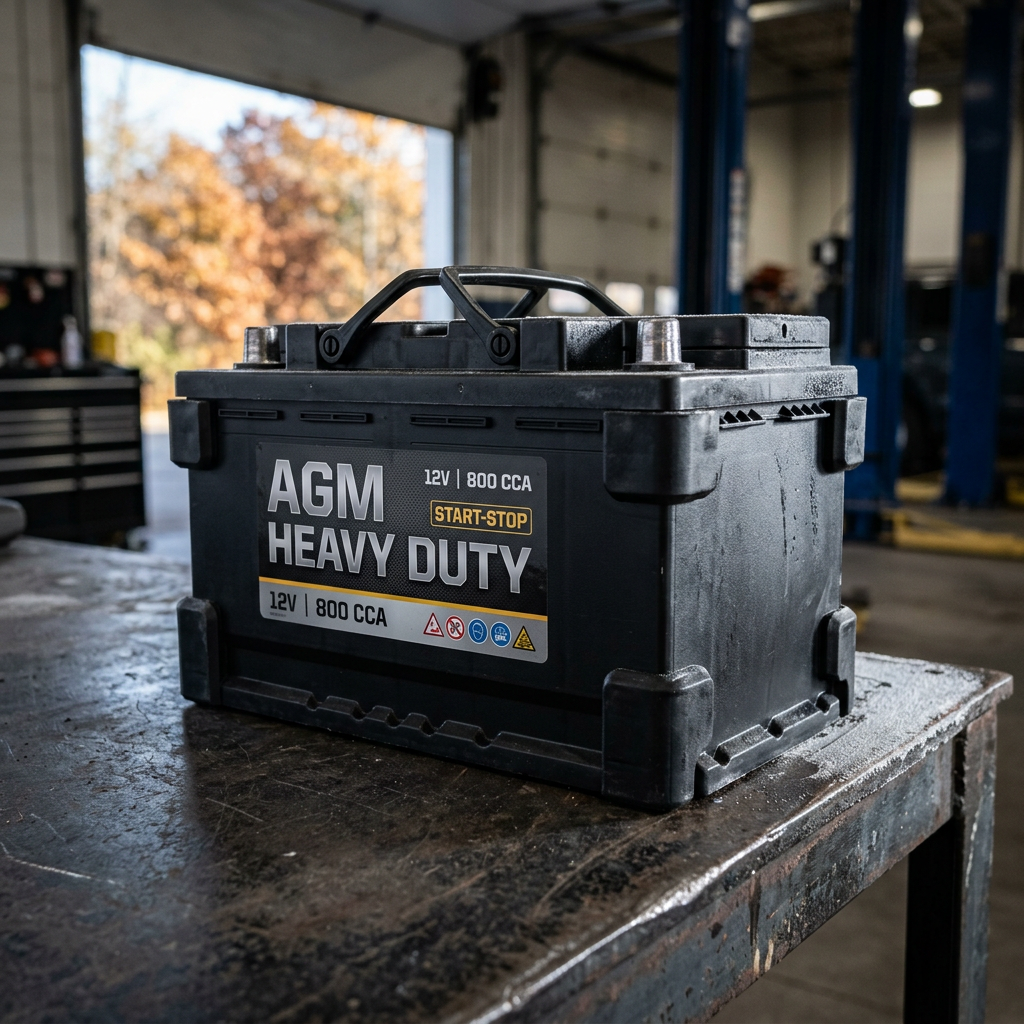
Cold Cranking Amps (CCA) is an industry measurement defining a battery's capability to start an engine at 0°F (-17.8°C) for 30 seconds while maintaining at least 7.2 volts. In Northern Illinois, where sub-zero wind chills regularly push actual temperatures below zero, having an adequate CCA rating is vital for vehicle startup. Standard gas-powered Chevy passenger cars and small crossovers generally require a minimum rating of 600 to 700 CCA.
For larger Chevrolet V8 trucks, full-size SUVs, and Duramax diesel configurations, automotive engineers recommend a minimum threshold of 750 to 850+ CCA (or dual battery setups on heavy-duty Silverado diesel models). Diesel engines require higher compression ratios and glow plug pre-heating, making cold starting significantly more demanding on the electrical circuit.
At 32°F, a standard lead-acid battery loses approximately 20 percent of its total electrical output capacity compared to room temperature. When ambient temperatures drop to 0°F, available battery power plunges by roughly 50 percent, while the thick, cold engine oil simultaneously requires up to two times more amperage to turn over the crankshaft.
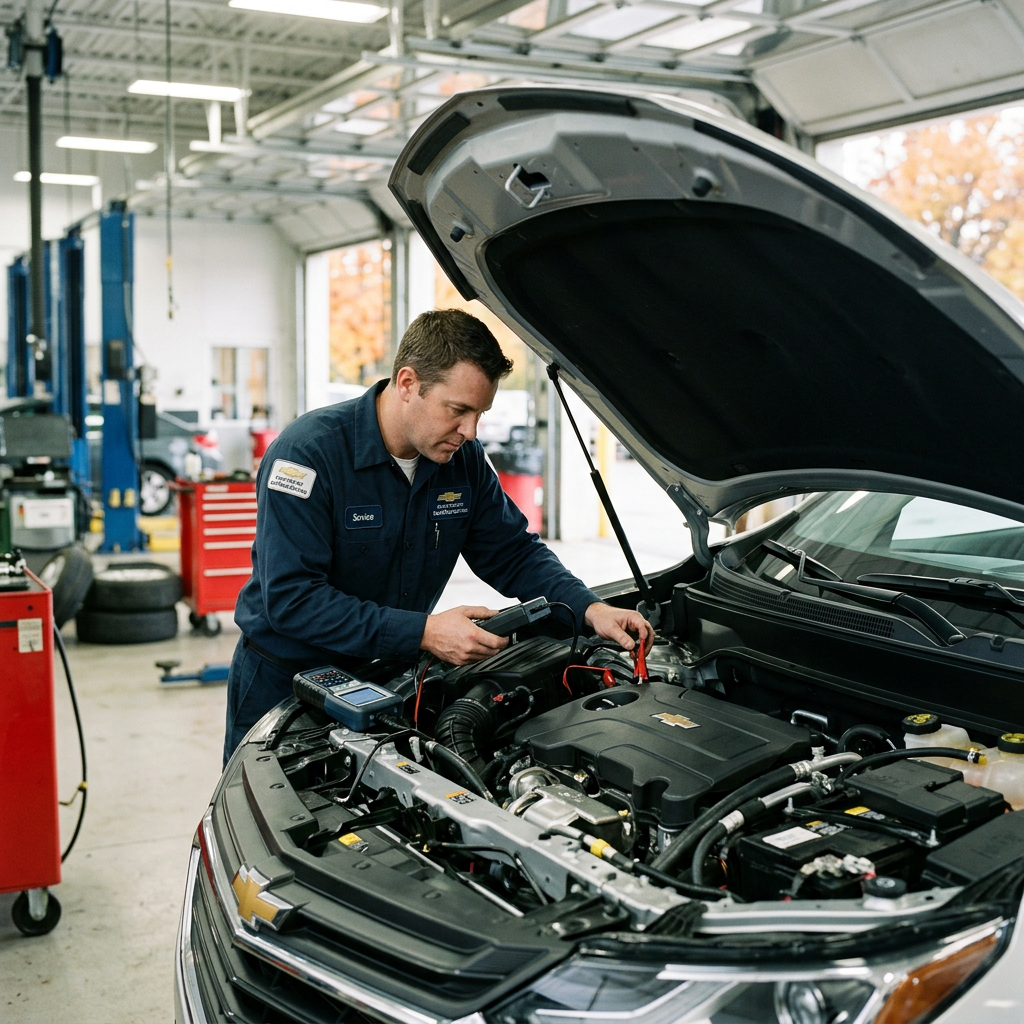
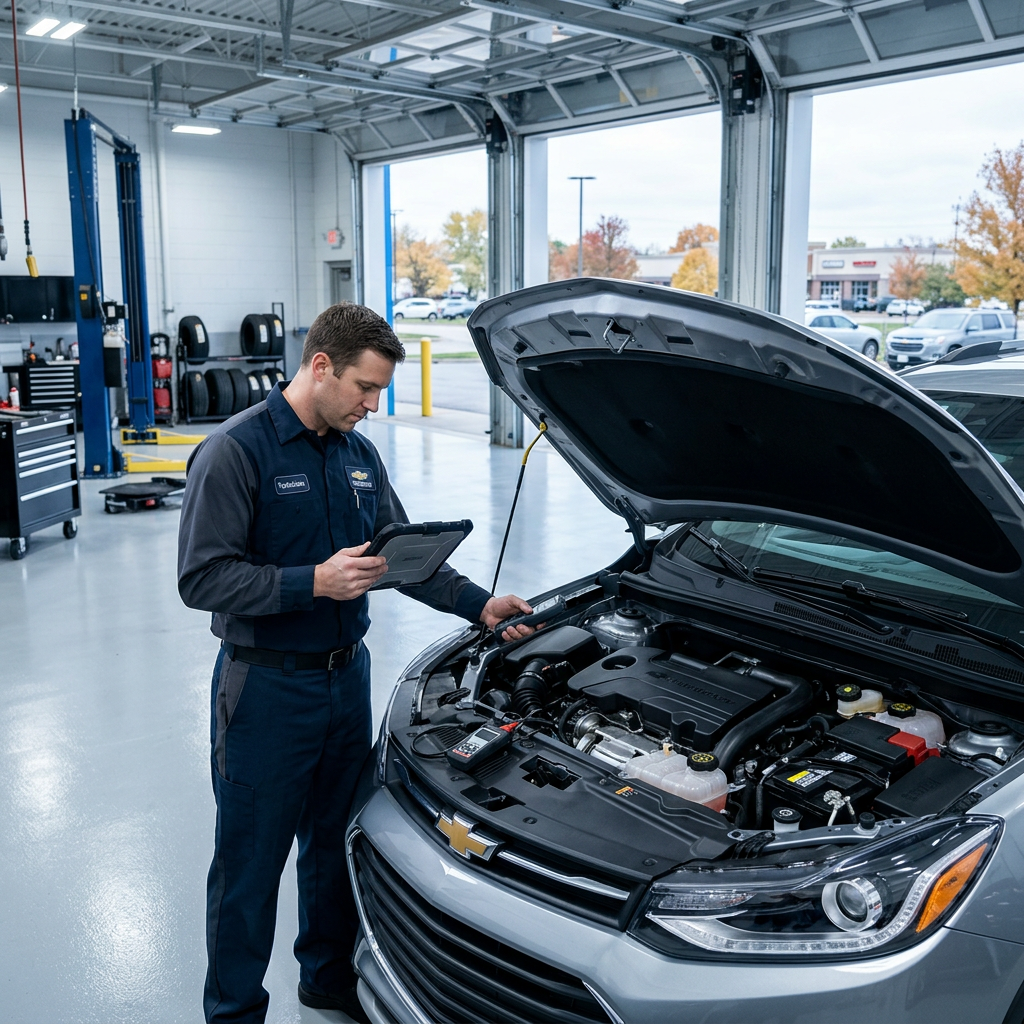
At Hawk Chevrolet of Joliet, our service center conducts diagnostic conductance and digital load testing to verify your battery's current CCA reserve against original factory specifications. You can Schedule Your Service Today to ensure your battery won't leave you stranded when winter weather arrives.
Why AGM Batteries Perform Better Than Standard Batteries in Freezing Temperatures
Absorbed Glass Mat (AGM) batteries represent a major technological leap over traditional flooded lead-acid designs. Instead of free-flowing liquid acid solution inside open cells, AGM batteries feature ultra-fine fiberglass mats that absorb and hold electrolyte liquid directly against lead plates. This internal construction prevents electrolyte stratification, acid shedding, and cell plate damage during extreme freeze-thaw cycles.
Because the liquid electrolyte is trapped within fiberglass separators, AGM batteries demonstrate superior electrical output in sub-zero weather. They offer up to three times higher electrical endurance, faster recharge acceptance from the alternator, and reduced internal resistance during cold cranking sequences.
Furthermore, modern Chevrolet vehicles equipped with Auto Start-Stop technology and heavy accessory electrical loads require the quick-charge recovery capabilities of an AGM battery. When replacing your battery, drivers can Order Genuine Chevrolet Parts such as factory-approved AC Delco Gold AGM batteries through our parts center.
What Engine Coolant Freeze Protection Ratio Is Ideal for Northern Illinois Winters?
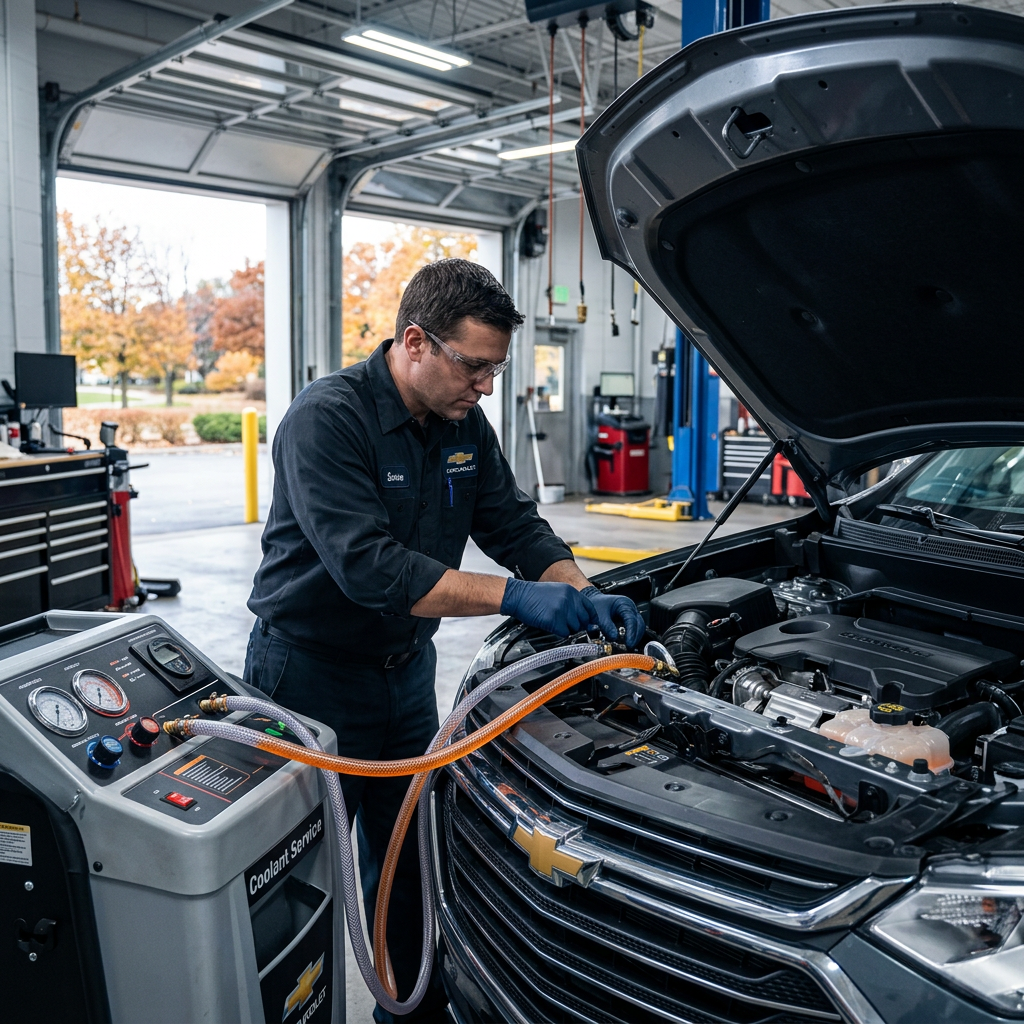
Engine coolant (antifreeze) serves two vital roles: transferring excessive heat away from internal engine components during summer driving and preventing catastrophic internal fluid freezing during severe winter freezes. Chevrolet vehicles use proprietary organic acid technology (OAT) known as Dex-Cool, recognized by its signature orange color. Diluting Dex-Cool with plain tap water or unapproved coolant types compromises anti-corrosion protection and alters its freezing threshold.
For Will and DuPage County driving conditions, the standard recommended ratio is a 50/50 mix of factory Dex-Cool concentrate and distilled water, which provides freeze protection down to -34°F (-37°C). However, for maximum winter protection during severe arctic cold snaps, Chevrolet allows a maximum 60/40 coolant-to-water ratio, lowering the freezing point protection to a staggering -62°F (-52°C).
|
Coolant Mixture Ratio (Dex-Cool / Water)
|
Freeze Protection Rating (°F)
|
Freeze Protection Rating (°C)
|
Recommended Operating Region
|
|
50% Dex-Cool / 50% Water
|
-34°F
|
-37°C
|
Standard Northern Illinois / Joliet
|
|
60% Dex-Cool / 40% Water
|
-62°F
|
-52°C
|
Extreme Cold / Deep Winter Sub-Zero
|
|
40% Dex-Cool / 60% Water
|
-12°F
|
-24°C
|
Mild Southern Climates (Unsafe for IL)
|
What Oil Viscosity Is Best Suited for Chevrolet Engines During Illinois Winters?
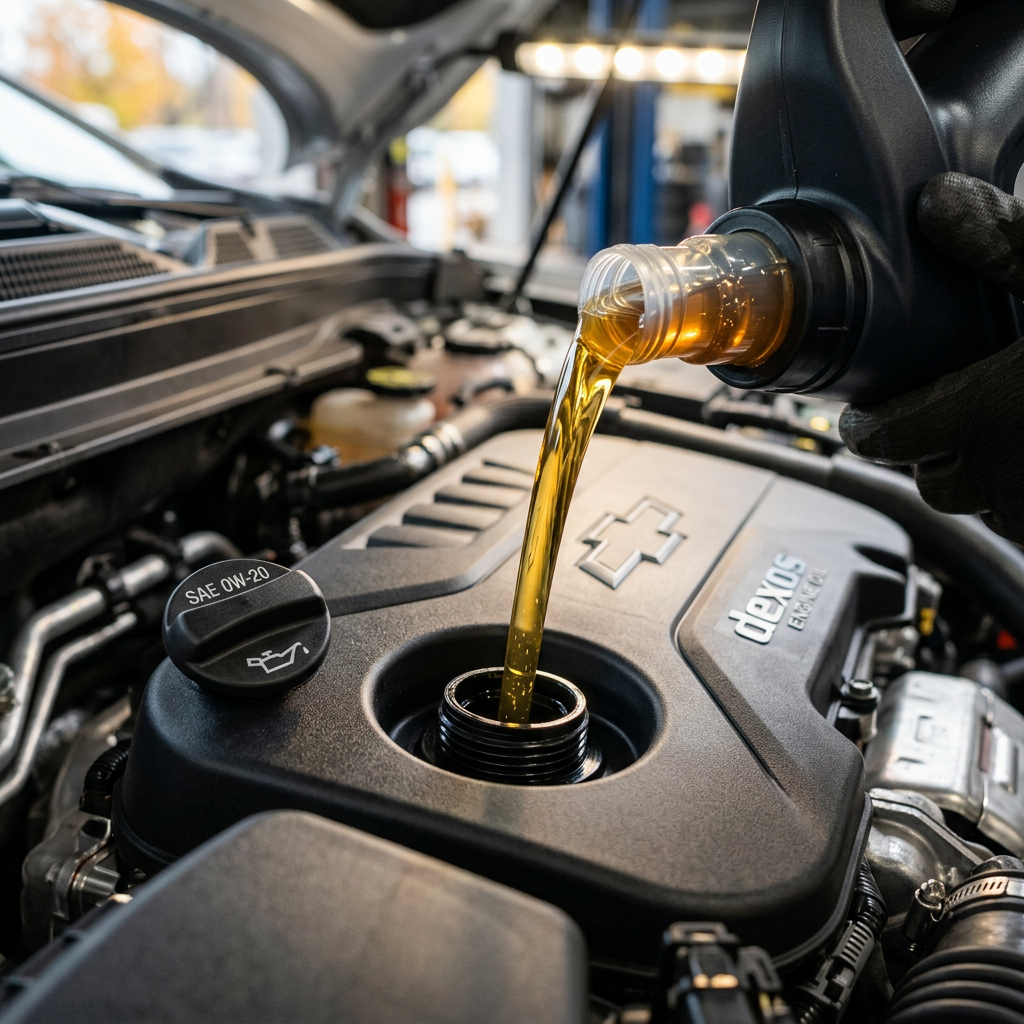
0W-20 Synthetic
Engineers specify dexos1 Gen 3 Full Synthetic 0W-20 for many current Chevy small-displacement turbo engines (1.5L Equinox, 2.0L Malibu). The '0W' designation indicates minimal fluid resistance at sub-zero temperatures, enabling rapid oil pump pickup and fast pressuring of upper valve train components within seconds of turn-key ignition.
5W-30 Synthetic
Standard for 2.7L Turbo-Max Silverado trucks and 3.6L V6 Traverse models, dexos1 approved 5W-30 provides continuous film strength protection across high load conditions while maintaining low-temperature pour characteristics down to -30°F, preventing heavy wear during cold starts.
Turbo Bearings
Modern turbochargers spin upwards of 150,000 RPM. Thick, unconditioned conventional oil cannot navigate narrow oil feed lines quickly in freezing weather, causing instant metal-on-metal friction. Full synthetic oils ensure immediate lubrication to floating turbo bearings upon cold ignition.
How Much Does a Battery CCA Test and Winter Maintenance Service Cost for a Chevrolet?
At Hawk Chevrolet of Joliet, we believe in upfront pricing transparency. A standalone computer-generated battery CCA load test is typically provided complimentary during our standard multi-point vehicle inspection. If diagnostic testing reveals a failing battery cell or insufficient cold cranking capacity, replacement battery pricing generally ranges between $180 and $280 depending on whether your model calls for a standard AC Delco Flooded battery or a high-capacity AC Delco AGM unit.
Bundled Fall Winterization Maintenance Packages—which combine synthetic dexos1 oil change, new OEM filter, tire rotation, brake safety check, washer fluid top-off, and battery health printout—typically range from $89 to $150. Investing in scheduled fall maintenance saves hundreds of dollars in unexpected towing costs and roadside emergency calls during severe winter weather.
What Is the Average Cost of a Coolant Flush and Hose Inspection for a Chevrolet?
A comprehensive Chevrolet Dex-Cool coolant exchange and pressure system check usually ranges between $169 and $229 across most models. This specialized service includes flushing aged, oxidized coolant from the engine block, heater core, and radiator, followed by refilling the system with genuine pre-mixed GM Dex-Cool fluid to restore full -34°F freeze protection and anti-corrosion chemistry.
During the service, factory-certified technicians inspect radiator hoses, upper and lower bypass lines, heater core fittings, and the water pump seal under cooling system pressure. Replacing a worn upper or lower radiator hose typically costs between $120 and $220 including parts and fresh fluid.
Tire Pressure and Tread Readiness for Frosty Joliet and Plainfield Commutes
PSI Drop Dynamics
As outdoor temperatures descend during autumn evenings, air molecules inside your tires compress. Tires lose roughly 1 PSI for every 10°F drop in outside temperature. Driving on underinflated tires damages casing sidewalls, reduces fuel economy, and reduces cornering grip on cold pavement.
Black Ice Hazards
Bridge decks over the Des Plaines River, elevated ramps at Route 59, and overpasses along I-80 freeze well before road surfaces on solid earth. Early autumn morning frost produces invisible black ice patches, requiring maximum rubber elasticity and sharp tire siping to maintain traction.
Tread Depth Safety
While the legal minimum tread depth is 2/32", winter safety experts strongly advise replacing tires before tread wear reaches 4/32". Shallow tread grooves cannot channel slush, water, or frost away from the contact patch, dramatically increasing stopping distance on slippery roads.
Essential Fall Pre-Freeze Checklist for Joliet Chevrolet Owners
Executing a complete vehicle winterization protocol before the mid-October frost window arrives protects your vehicle against costly emergency repairs. Use this actionable, multi-point checklist to systematically prepare your Chevrolet for Northern Illinois weather conditions:
|
System / Component
|
Action Item Required
|
Why It Matters for Joliet Winters
|
|
Windshield Washer Fluid
|
Flush summer bug wash; refill with -20°F or -30°F rated de-icing fluid
|
Water-based summer fluid freezes solid in reservoir and splits fluid pumps
|
|
Wiper Blades
|
Replace worn rubber blades with beam-style winter wiper blades
|
Beam blades resist snow build-up and maintain clear glass during freezing rain
|
|
Door Rubber Weatherstripping
|
Apply silicone lubricant to rubber door seals and hatch surrounds
|
Prevents freezing moisture from bonding doors shut on icy mornings
|
|
Remote Start System
|
Test remote key fob and myChevrolet Mobile App remote start functions
|
Ensures engine pre-heating and defroster activation work before cold snaps hit
|
|
Roadside Emergency Kit
|
Pack ice scraper, snow brush, jumper cables, flashlight, blanket, and tow strap
|
Essential survival equipment if caught in sudden winter conditions or off-road sliding
|
Navigating Early Winter Road Conditions Across Will and DuPage Counties
Commuting between Joliet, Shorewood, Plainfield, and Naperville requires driving through varying pavement conditions, rural open stretches, and river corridors prone to localized squalls. If your Chevrolet Silverado, Tahoe, or Equinox features AutoTrac 4WD or intelligent AWD, autumn is the perfect time to test transfer case engagement and verify that StabiliTrak traction control systems operate seamlessly.
Our modern facility is equipped with state-of-the-art diagnostic tools and factory-trained GM technicians dedicated to keeping your vehicle safe, efficient, and reliable through every season.
Schedule Your Chevrolet Fall Freeze Service at Hawk Chevrolet of Joliet
Don't wait for freezing morning temperatures to reveal a dead battery or weak heating system. Protect your vehicle investment and keep your daily commute safe and stress-free by scheduling your pre-freeze winterization inspection today. Our factory-certified GM service department uses original equipment parts, precise diagnostic equipment, and transparent service recommendations tailored specifically to Northern Illinois weather conditions.